








Introduction
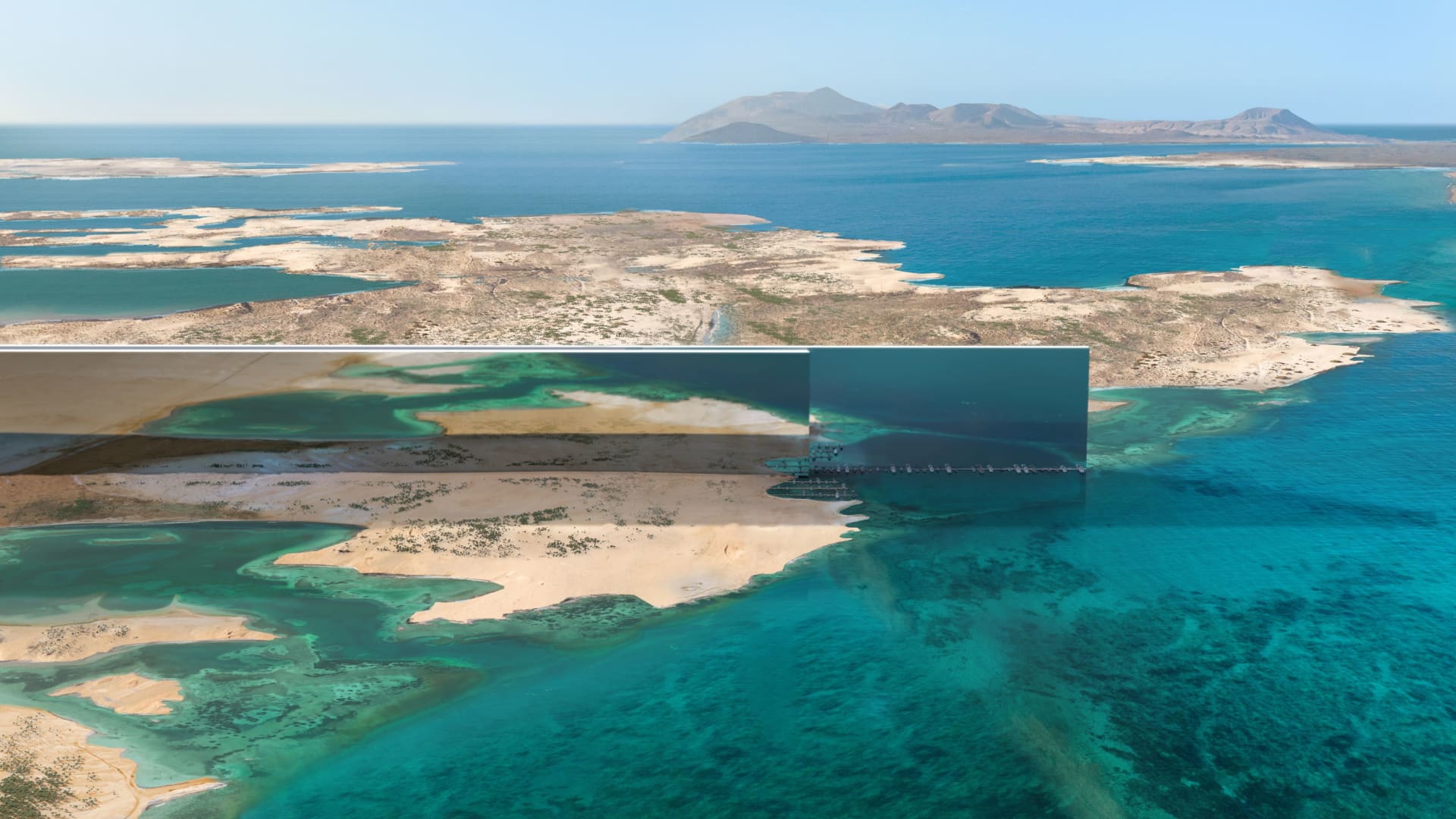
The development of NEOM and Al-Riyadh represents two different visions for the future of Saudi Arabia. NEOM, a $500 billion mega-city project, is positioned as a hub for innovation and sustainability, while Al-Riyadh, the capital city, continues to evolve as a significant urban centre. Understanding the contrast between these two areas is vital for grasping the broader socio-economic changes happening in the Kingdom.
Overview of NEOM
NEOM is being constructed along the Red Sea in the northwestern region of Saudi Arabia. Envisioned as a technological utopia, NEOM aims to integrate advanced technologies in various sectors including energy, biotechnology, food, and entertainment. Crown Prince Mohammed bin Salman has dubbed it a ‘living laboratory’, where progressive ideas can be implemented and tested. The project is part of the Vision 2030 initiative, designed to diversify the Saudi economy from its oil dependency.
Al-Riyadh’s Transformation
Al-Riyadh, on the other hand, is witnessing its transformation into a modern metropolis with significant investment in infrastructure and urban development. Recent projects have included expansions of the public transportation system, such as the Riyadh Metro, which aims to facilitate sustainable urban mobility. Additionally, Al-Riyadh is focusing on creating green spaces and improving quality of life for residents, aligning with Vision 2030 goals.
Comparative Analysis
Both NEOM and Al-Riyadh are crucial to Saudi Arabia’s future, yet they serve different purposes and face distinct challenges. NEOM is a blank canvas designed for cutting-edge technology and sustainability; it requires not only substantial investment but also global talent to fulfil its ambitious goals. Conversely, Al-Riyadh is an established city working to modernise its existing infrastructure and economy. Each location reflects a different strategy in the Kingdom’s broader goals of liberalisation and economic diversification.
The Significance of These Developments
The contrasting approaches of NEOM and Al-Riyadh highlight Saudi Arabia’s endeavour to redefine itself in the global arena. NEOM’s bold initiatives may attract international investments, while Al-Riyadh’s gradual transformation could lead to improved living standards and economic stability for its residents. As the Kingdom moves closer to its Vision 2030 objectives, both areas are likely to influence regional development and urban planning in the Middle East.
Conclusion
Ultimately, NEOM and Al-Riyadh represent distinct yet complementary visions for Saudi Arabia’s future. Their development will play a critical role in shaping the Kingdom’s economy, attracting foreign investment, and improving the quality of life for its citizens. Monitoring the progression of these two projects will provide insights into the successful realisation of Vision 2030 and the future trajectory of Saudi Arabia.