










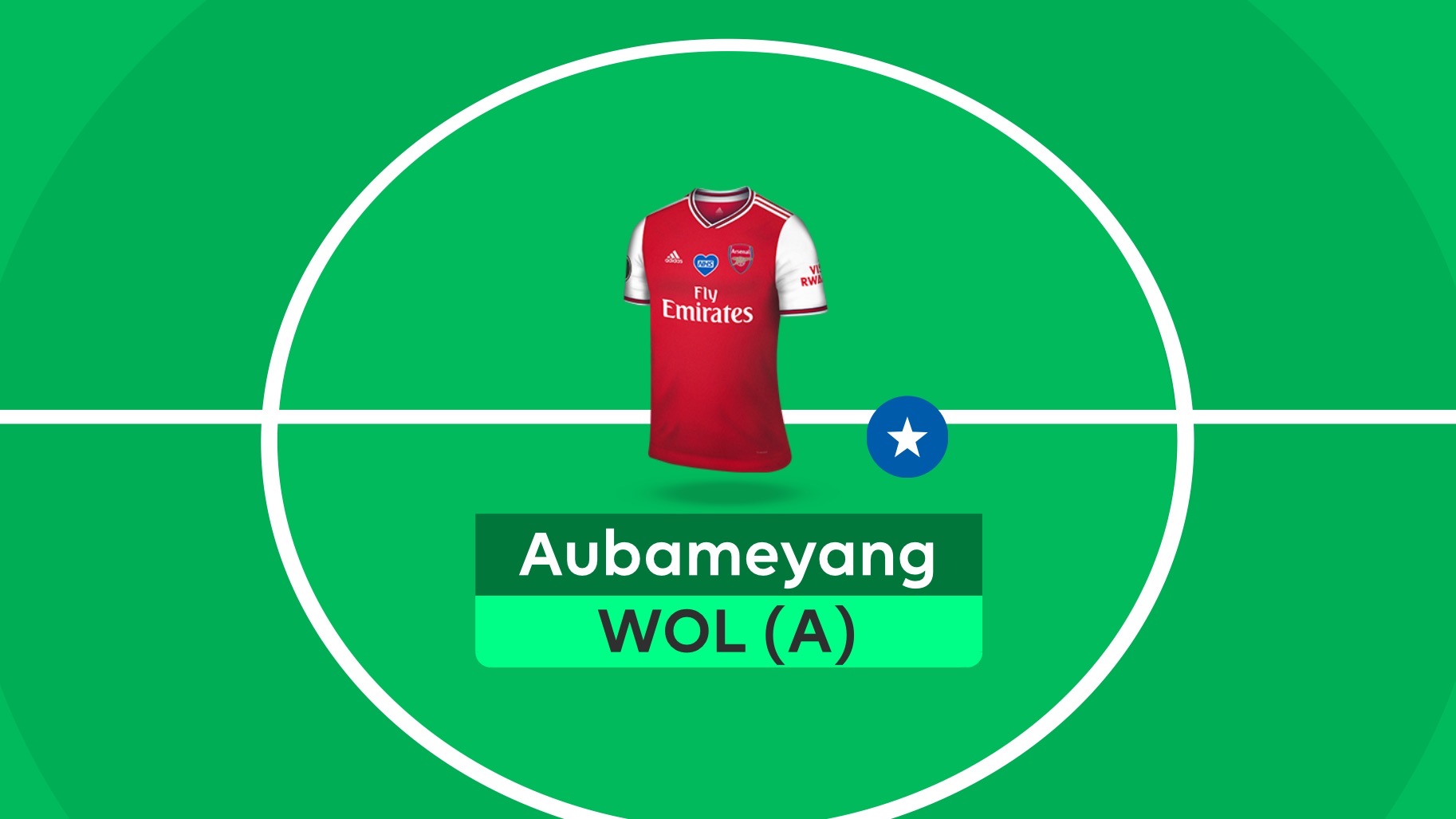
Introduction to FPL
Fantasy Premier League (FPL) is an online game that has captivated millions of football fans across the globe. Launched in 2002, it allows players to create their own football teams by selecting real-life players from the English Premier League (EPL). The relevance of FPL today is evident, as it intertwines the excitement of the actual league with strategy and competition among fans. With over 8 million players participating worldwide, FPL has become a significant part of football culture, influencing fan engagement and enhancing the viewing experience on match days.
The Growth of FPL
Recent trends indicate a significant increase in the participation rates in FPL, particularly following the COVID-19 pandemic, which led many sports enthusiasts to seek alternative forms of engagement. In the 2022-2023 season, the platform reported record numbers, thanks to innovative digital marketing campaigns, influencer partnerships, and a more user-friendly interface. The game’s mechanics allow for continuous updates, fostering a dynamic environment where players react to real-world events such as player injuries, form fluctuations, and match outcomes.
Impact on Football and Fans
FPL has not only transformed the way fans engage with football but has also offered opportunities for clubs and sponsors. Teams leverage FPL to improve fan loyalty, as players can organically connect with their audience by sharing insights and tips about FPL. Moreover, clubs are increasingly acknowledging the fantasy aspect of the league, which has led to the establishment of club-specific leagues and prizes to incentivise fans. The role of social media has also been pivotal, with platforms like Twitter and Instagram becoming hubs for FPL discussions and advice.
Future of FPL
Looking ahead, FPL is expected to diversify its offerings further. Plans to integrate advanced statistics and analytics into the game might provide players with deeper insights and a more strategic approach to team selection. Additionally, the influence of fantasy sports in global markets, especially in the United States and Asia, indicates that FPL could expand its reach internationally. For keen players, adopting a strategy that aligns with both statistical understanding and current trends in the EPL will be critical to success.
Conclusion
In conclusion, Fantasy Premier League represents more than just a game; it has become a significant cultural phenomenon that merges fandom with competitive strategy. Its growing popularity reflects a changing landscape of how fans interact with football, suggesting that as the league evolves, FPL will continue to adapt, fostering a deeper connection between fans and the sport they love.