










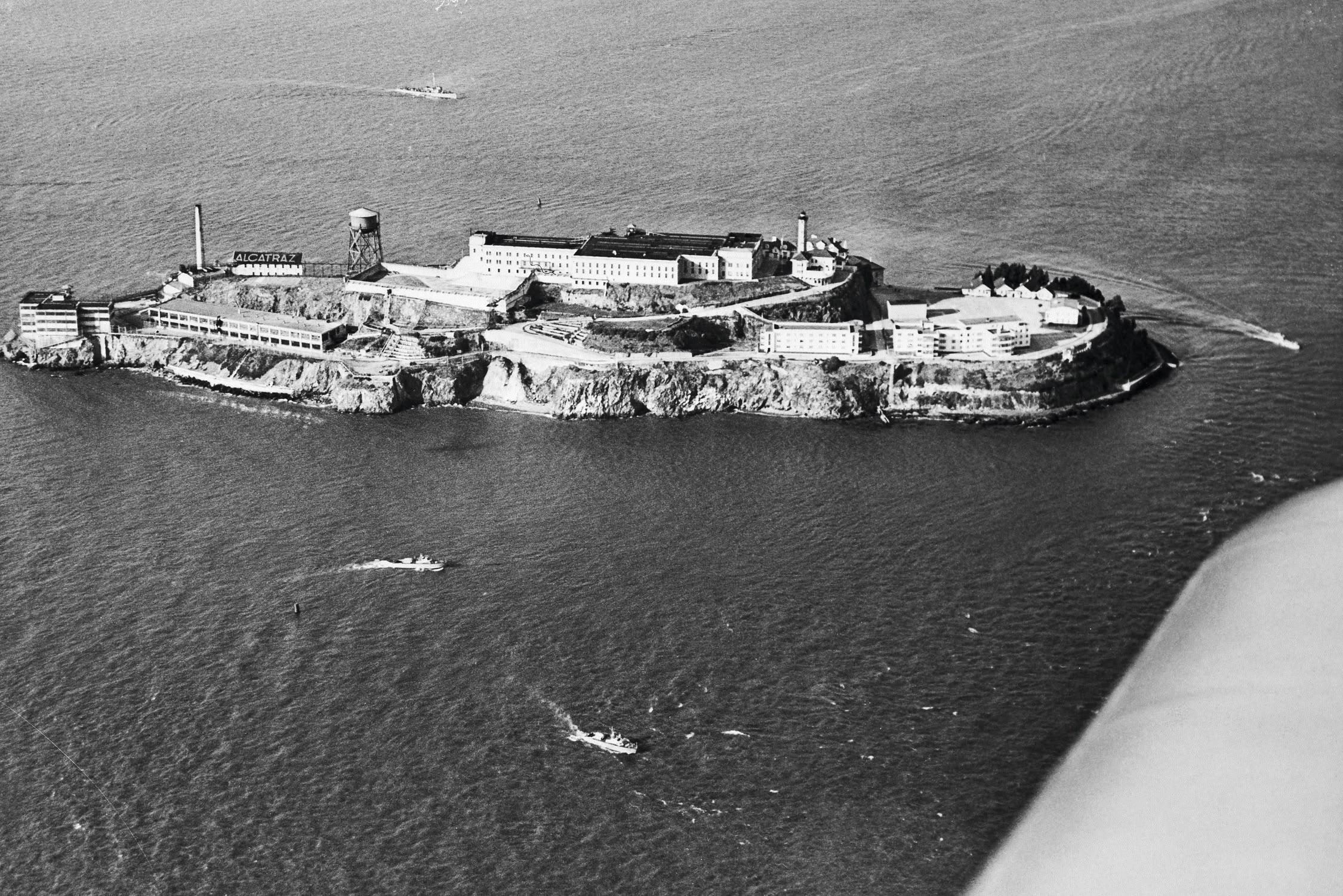
The Importance of Alcatraz
Alcatraz Island, often referred to simply as Alcatraz, is one of the most notorious prisons in American history. Located in San Francisco Bay, this island became synonymous with high-security incarceration following its conversion from a military fort to a federal prison in 1934. The site is not only a symbol of the criminal justice system but also a significant tourist attraction, drawing approximately 1.5 million visitors annually. Its storied past and enduring legacy highlight the complexities of crime and punishment in the United States.
Historical Context and Events
Initially established as a military fort in the 1850s, Alcatraz was recognised for its strategic position guarding the entrance to San Francisco Harbour. However, it transitioned to a federal penitentiary in the 20th century, housing some of America’s most dangerous criminals, including the infamous Al Capone and George ‘Machine Gun’ Kelly. During its operational years, Alcatraz earned a reputation for being inescapable, although there were notable escape attempts, with the 1962 escape portrayed in the film ‘Escape from Alcatraz’ being the most famous.
Alcatraz was closed as a prison in 1963 due to high operational costs and deteriorating facilities, leading to a significant decline in its population. The island remained deserted until the 1970s when it became a part of the Golden Gate National Recreation Area. Since then, extensive preservation efforts have taken place, ensuring that the island not only retains its historical significance but also becomes a key educational resource.
Recent Developments and Significance
In recent years, Alcatraz has played host to various cultural and educational initiatives, including art exhibitions and guided tours that engage visitors with its historical narrative. Most notably, in 2021, Alcatraz saw an increase in visitors as travel restrictions eased, further underscoring its enduring allure.
As an iconic landmark, Alcatraz not only offers a glimpse into the past but also prompts discussions regarding the penal system and justice. The narratives surrounding the prisoners’ lives provide insights into broader themes of crime, punishment, and rehabilitation.
Conclusion
Alcatraz remains a crucial link to America’s historical narrative concerning justice and social issues. As tourism increases and new historical narratives evolve, the ongoing preservation efforts ensure that Alcatraz will continue to educate future generations about its infamous past and serve as a site for reflection on contemporary societal issues. The island is not just a remnant of harsh punishment; it is a reminder of the complexities of human behaviour and the systems put in place to manage it.