








Introduction to Liechtenstein
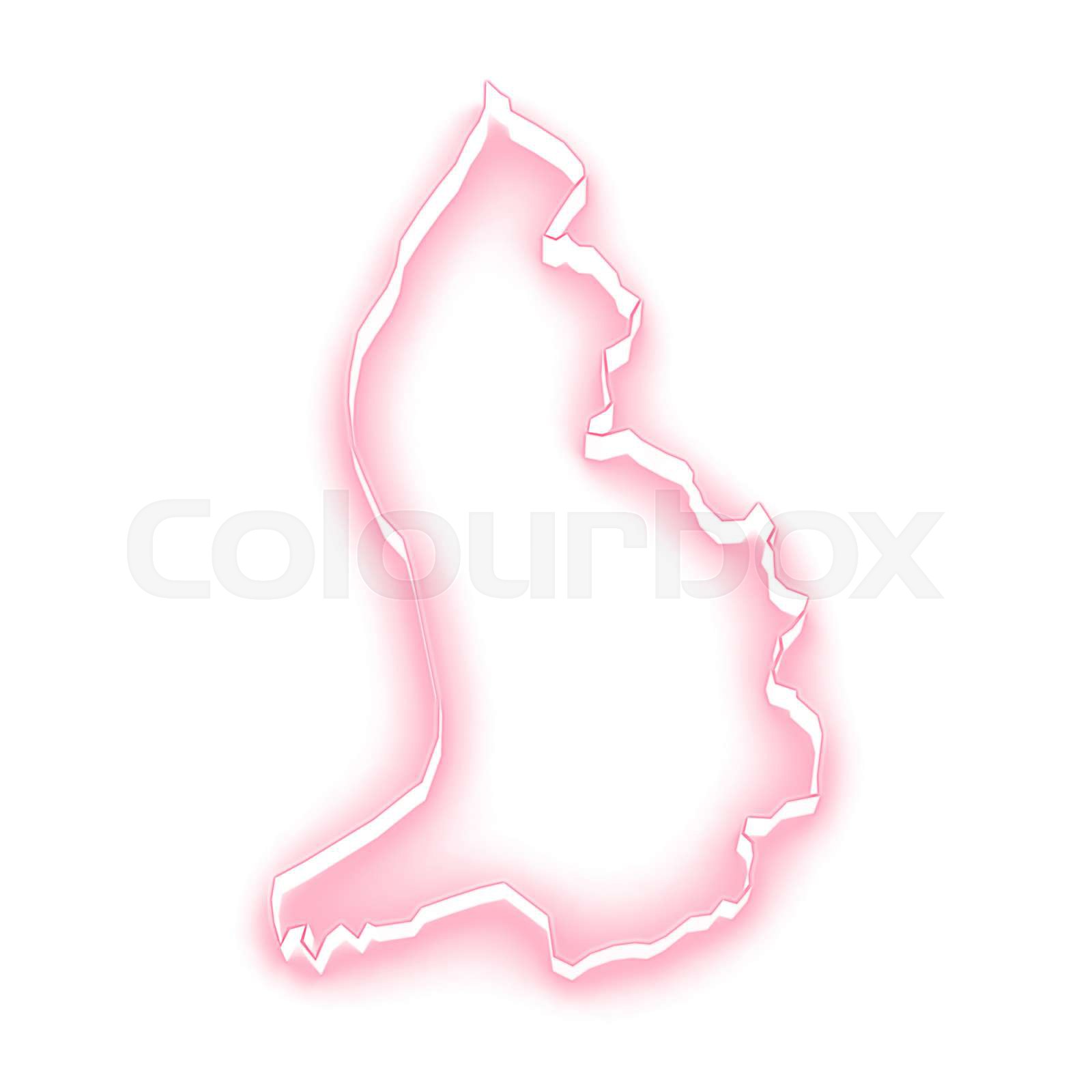
Liechtenstein, a tiny landlocked country nestled between Switzerland and Austria, is often overshadowed by its larger neighbours. However, this small principality offers a unique blend of stunning landscapes, rich history, and a progressive economy that make it a significant player in the European landscape. With a population of approximately 39,000, Liechtenstein is known for its high standard of living and strong financial sector, making it a fascinating subject for exploration.
Economic Landscape
Liechtenstein has a robust economy, primarily due to its status as a tax haven and its highly developed financial services sector. As of 2023, the country boasts one of the highest GDP per capita in the world, estimated at around €100,000. The principality is home to over 100 banks and numerous international companies, making it a hub for innovation and finance.
The government has also been focusing on diversifying its economy beyond finance. The manufacturing sector, particularly in high-tech and precision instruments, has seen significant growth. The country is actively encouraging sustainable practices and technologies, reflecting a modern approach to economic development.
Cultural Significance
Despite its small size, Liechtenstein has a rich cultural heritage. The capital city, Vaduz, is known for its castle, which is the official residence of the Prince of Liechtenstein. The country hosts various cultural events, including the annual Vaduz Film Festival and numerous art exhibitions that highlight both local and international talent.
Liechtenstein also possesses a unique dialect, an Alemannic German, and celebrates traditional events such as National Day on August 15, where citizens come together to appreciate their national identity through music, food, and fireworks.
Political Context
The principality is a constitutional monarchy, led by Prince Hans-Adam II, who has exercised significant influence over the government. In recent years, Liechtenstein has engaged in various discussions within the European Union framework, although it is not a member. The country is a member of the European Economic Area (EEA), which allows it access to the EU’s single market, further strengthening its economic relationships.
Conclusion
Liechtenstein may be small in size, but it presents a wealth of opportunities and insights into modern European life. Its economic strength, cultural richness, and political nuances make it a topic of interest for those looking to understand the complexities of European states. As it continues to navigate the global stage, Liechtenstein stands as a testament to how size does not determine impact, and it holds significant lessons for both businesses and policymakers alike.