









Introduction: The Heart of Italian Sports
Stadio Olimpico, located in Rome, is one of the most significant sports venues in Italy. Home to two of the country’s most famous football clubs, AS Roma and S.S. Lazio, the stadium has hosted numerous historical events, including the 1960 Summer Olympics and the UEFA Champions League Final. Its architectural beauty and rich history make it a vital part of Rome’s cultural and sporting heritage.
History and Construction
Construction of Stadio Olimpico commenced in 1928, but it underwent significant renovations over the decades to accommodate modern standards and improve facilities. The stadium officially opened in 1953 and has since been the stage for many of the world’s most prestigious sporting events. Notably, it was the principal venue for the 1960 Olympics and has continued to play a vital role in hosting international football and athletics.
Recent Developments
In recent years, Stadio Olimpico has seen continued investment to enhance the spectator experience. In 2023, the Italian Football Federation (FIGC) and the stadium’s management announced plans for further renovations, including upgrades to seating, safety measures, and digital displays. These enhancements aim to elevate the fan experience and position the stadium to host future international competitions.
Current Events
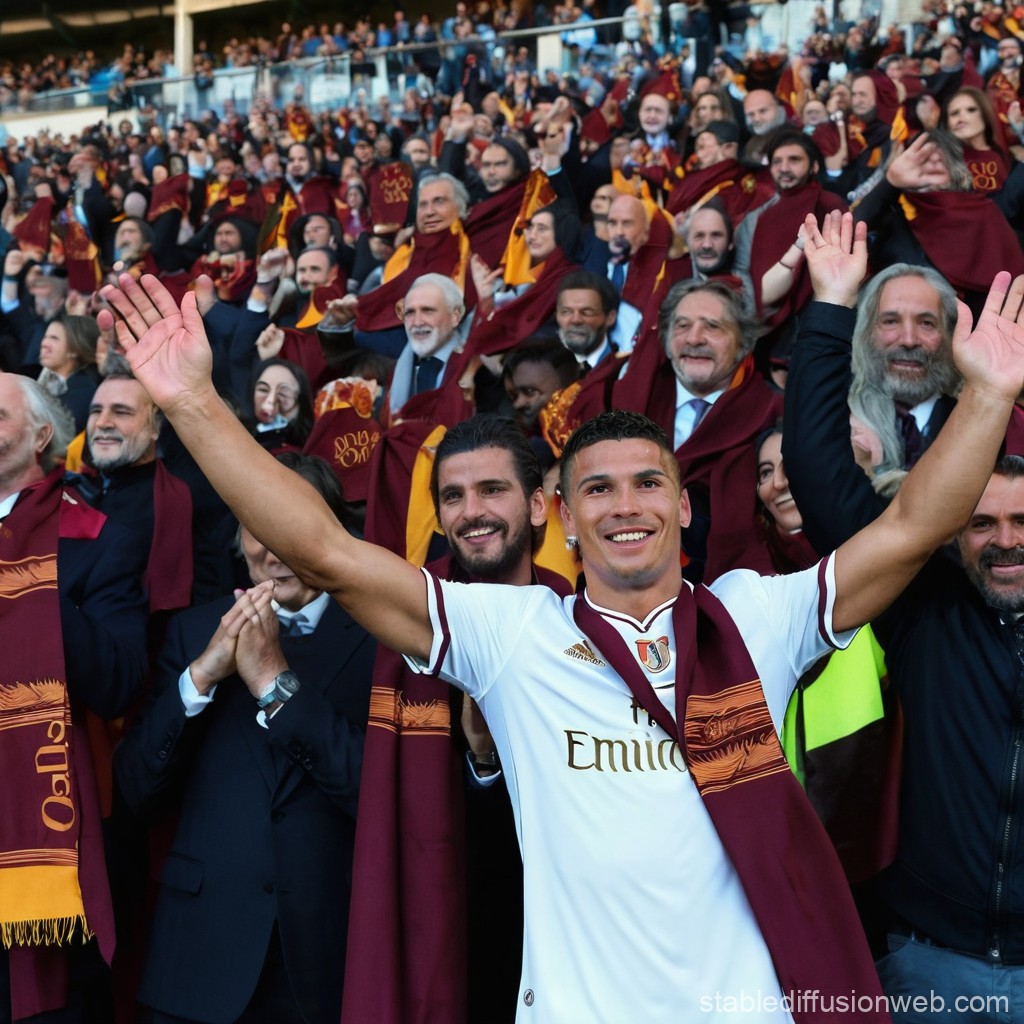
As of the current football season, Stadio Olimpico is bustling with activity, welcoming thousands of fans for matches between AS Roma and S.S. Lazio, as well as international fixtures. The recent UEFA Euro 2020 matches drew significant crowds and international attention, showcasing the stadium’s capacity to host high-stakes events. Moreover, the Italian national team also played several key matches here, further solidifying the stadium’s reputation as a premier sports venue.
Conclusion: The Future of Stadio Olimpico
Stadio Olimpico stands as a testament to Rome’s sporting legacy, blending history with modernity. As plans for renovations materialise, the stadium is set to enhance its role as a focal point for sports in Italy. For sports enthusiasts and tourists alike, Stadio Olimpico remains an iconic destination, and its future promises even greater events and experiences, continuing to foster the rich sporting culture of the city.