









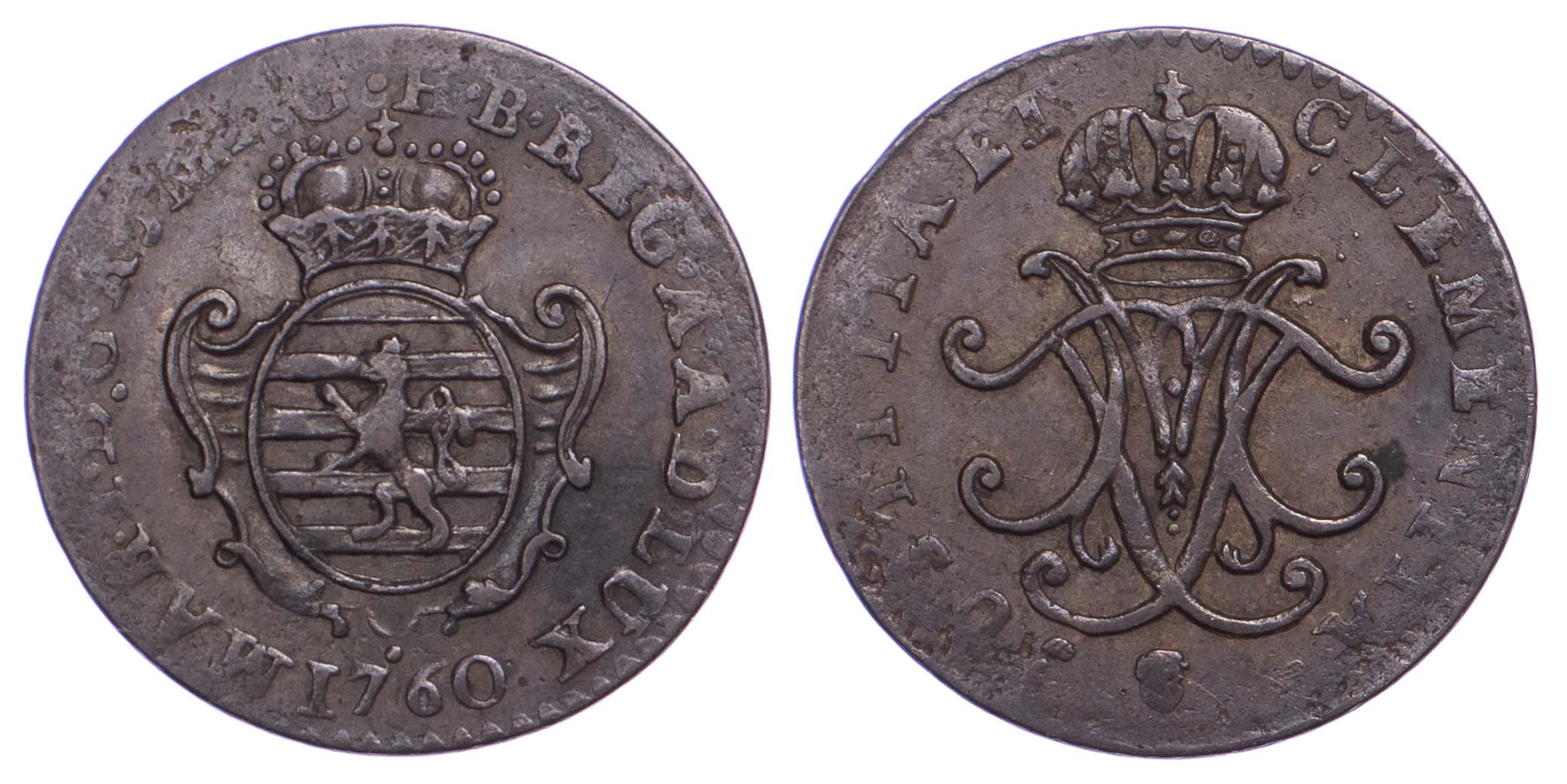
Introduction to Luxembourg
Luxembourg, a small yet dynamic nation in Western Europe, is often overlooked in favour of its larger neighbours. However, its strategic location, robust economy, and rich cultural heritage make it a vital player in European affairs. Understanding Luxembourg is essential for grasping not only the region’s geopolitical landscape but also the multifaceted social and economic systems that exist within.
A Brief Overview
Covering just 2,586 square kilometres, Luxembourg is one of the smallest countries in Europe. Bordered by Belgium, France, and Germany, it boasts a population of around 634,000. Despite its size, Luxembourg is one of the world’s wealthiest countries, with a GDP per capita rivalled only by a handful of nations.
Economic Strengths
Luxembourg’s economy is highly developed and diverse, with key sectors including finance, technology, and logistics. The financial sector, particularly, has made Luxembourg a global hub for private banking and investment funds. Recent statistics reveal that over 150 banks operate in the country, contributing significantly to its GDP.
Moreover, Luxembourg has become an attractive destination for multinational companies, leading to rapid growth in its tech sector. The presence of significant firms like Amazon and Microsoft has bolstered the country’s economic landscape by creating thousands of jobs and fostering innovation.
Cultural Richness
Luxembourg is not only economically prosperous but also culturally vibrant. Its capital, Luxembourg City, features a UNESCO World Heritage Site with its old town, showcasing stunning fortifications and picturesque views. The cultural scene thrives with numerous museums, theatres, and galleries, reflecting a blend of French, German, and Belgian influences.
Furthermore, Luxemburgish, French, and German are the official languages, epitomising the country’s rich linguistic heritage and cultural inclusivity.
Political Landscape
Luxembourg operates as a constitutional monarchy, with Grand Duke Henri serving as the head of state. The government is known for its progressive policies on social issues, sustainability, and inclusivity, making it a model for contemporary governance. As a founding member of the EU, the country plays an essential role in shaping European policies.
Conclusion: The Significance of Luxembourg
In conclusion, Luxembourg stands as a testament to how a small nation can wield considerable influence on a global scale. Its exceptional economic growth, rich cultural heritage, and forward-thinking political landscape provide valuable lessons in resilience and innovation. As Europe continues to navigate challenges such as economic uncertainty and climate change, Luxembourg’s multifaceted approach could prove pivotal in inspiring broader continental strategies.