








Introduction
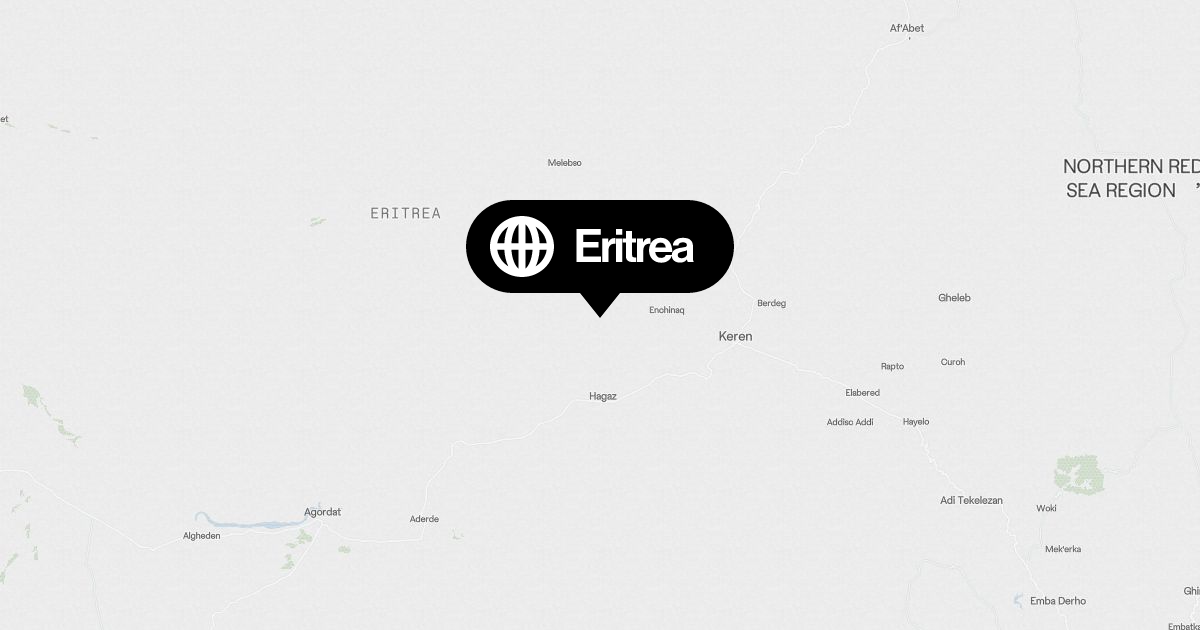
Eritrea, situated in the Horn of Africa, is often overlooked yet holds a significant place in global dialogues due to its unique historical, cultural, and geopolitical context. Gaining independence from Ethiopia in 1993 after a protracted conflict, Eritrea has faced numerous challenges, including human rights issues, economic hardships, and ongoing tensions with its neighbours. Understanding Eritrea is crucial not only for appreciating its rich cultural tapestry but also for comprehending the broader dynamics at play in East Africa.
Current Situation
In recent news, Eritrea has been in the international spotlight due to its involvement in the Tigray conflict in Ethiopia. Reports indicate that Eritrean troops have crossed into Tigray, contributing to the violence and humanitarian crises in the region. The conflict has resulted in thousands of deaths and has displaced millions, drawing condemnation from various international human rights organizations.
Moreover, the ongoing political situation within Eritrea remains precarious. The country is often critiqued for its authoritarian governance under President Isaias Afwerki, who has ruled since independence. The lack of democratic processes, suppression of dissent, and indefinite national service requirements have led to widespread discontent among Eritreans, prompting many to seek refuge abroad.
Human Rights Concerns
The human rights situation in Eritrea is alarming, with reports of arbitrary detention, forced labour, and restrictions on freedom of expression. According to Amnesty International, Eritrea is one of the most repressive countries globally, with thousands of political prisoners detained without trial. The government continues to exert tight control over various facets of societal life, stifling any potential for protest or reform.
Economy and Development
The economy of Eritrea is primarily based on agriculture and remittances from citizens abroad. Additionally, there are rich mineral deposits, particularly in gold and copper, which the government aims to exploit to boost the economy. However, ongoing conflicts and strict government regulations have hindered significant foreign investment in the sector.
Conclusion
In summary, Eritrea’s complex historical context and current challenges make it a critical point of interest for scholars and global citizens alike. The ongoing humanitarian situation and repressive political climate demand international attention and action. As conditions evolve, the hope for democratic reforms and improved living standards remains a central aspiration for the resolute people of Eritrea. Understanding Eritrea is not only important for regional stability but also for addressing global human rights issues.