









Introduction
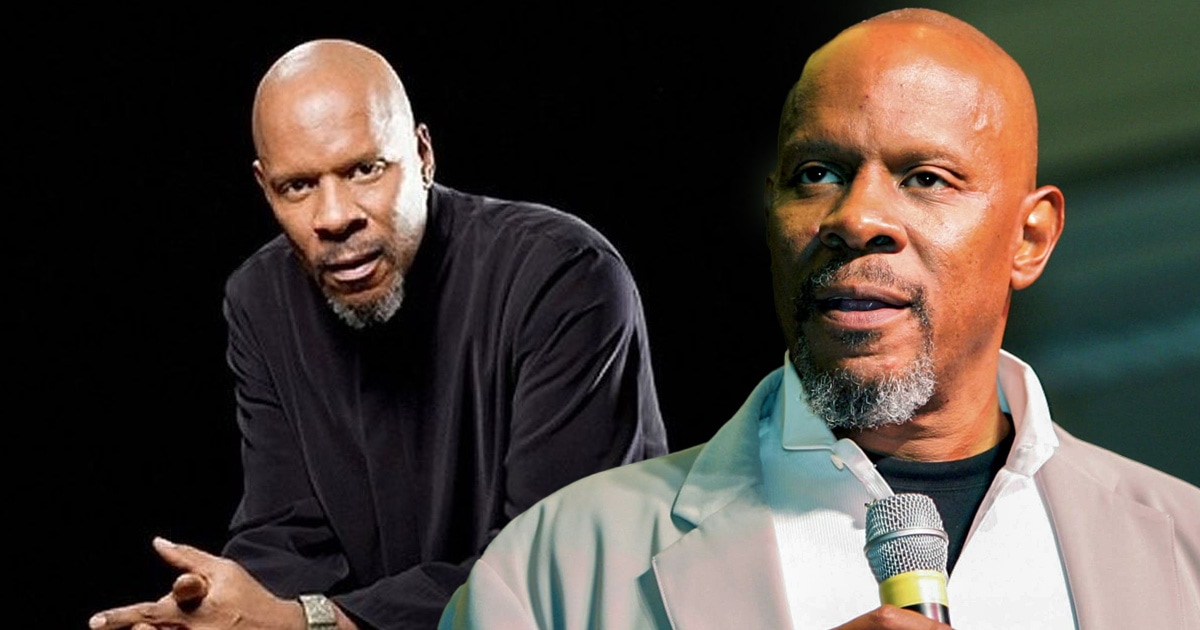
Avery Brooks is a name that resonates in the worlds of film and television, particularly known for his iconic role as Captain Benjamin Sisko in the beloved series ‘Star Trek: Deep Space Nine.’ His diverse talents as an actor, director, and musician have established him as a notable figure in the entertainment industry.
Career Highlights
Brooks was born on October 2, 1948, in Evansville, Indiana. He pursued his education at Oberlin College, where he earned a Bachelor’s degree in Sociology and a Master’s degree in Acting from Rutgers University. His career began in the theatre, where he performed in various productions that showcased his dynamic range as an actor.
In 1993, Brooks landed the role of Captain Sisko, making history as one of the first African American lead characters in a Star Trek series. His portrayal brought depth and complexity to the role, exploring themes of leadership, faith, and culture throughout the series’ seven seasons. His performance earned him critical acclaim and numerous awards, further solidifying his status in Hollywood.
Directorial Ventures
Beyond acting, Brooks has made significant contributions as a director. He directed several episodes of ‘Star Trek: Deep Space Nine,’ including the critically acclaimed ‘Far Beyond the Stars,’ which tackled issues of race and identity. The episode is noted for its powerful narrative and has been analysed in various academic contexts, illustrating Brooks’ commitment to social justice through his work.
Recent Developments
As of 2023, Avery Brooks has largely remained out of the public eye, but he still commands respect for his innovative contributions to film and television. Fans and colleagues alike are eager for any announcements regarding his potential return to acting or directing. His influence can be seen in emerging actors who cite Brooks as an inspiration in their pursuit of careers in the arts.
Conclusion
Avery Brooks is more than just an actor; he is a cultural touchstone whose work resonates with audiences across generations. His groundbreaking performance and direction have left a lasting legacy within the entertainment industry, inviting future storytellers to explore complex narratives. As discussions about diversity and representation in media continue to evolve, Brooks’ contributions remain ever relevant, marking him as an essential figure in the conversation about race and storytelling in television and film.