









Introduction
The evolution of skyscrapers epitomizes human ingenuity and architectural ambition. In recent years, the race to construct the tallest buildings has not only transformed city skylines but has also redefined the possibilities of engineering and design. Understanding the significance of these colossal structures allows us to appreciate the technical innovations and cultural milestones that accompany their construction.
The Current Titleholders
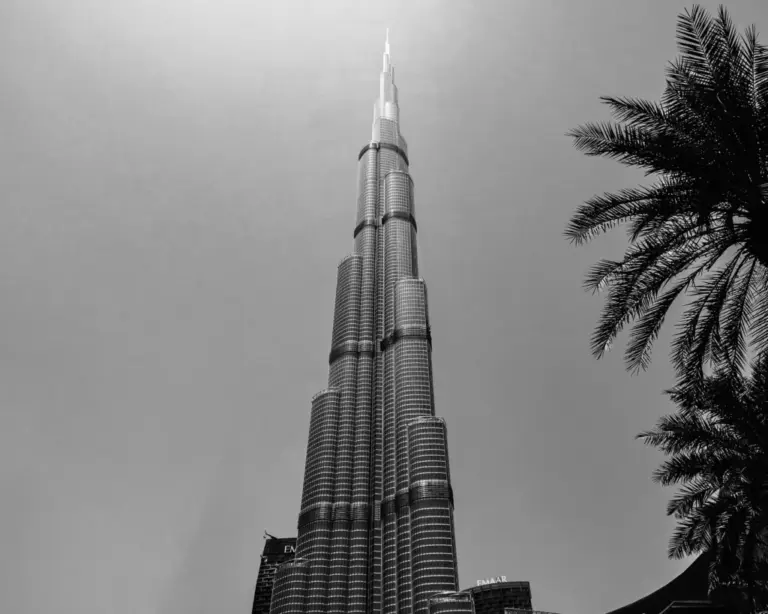
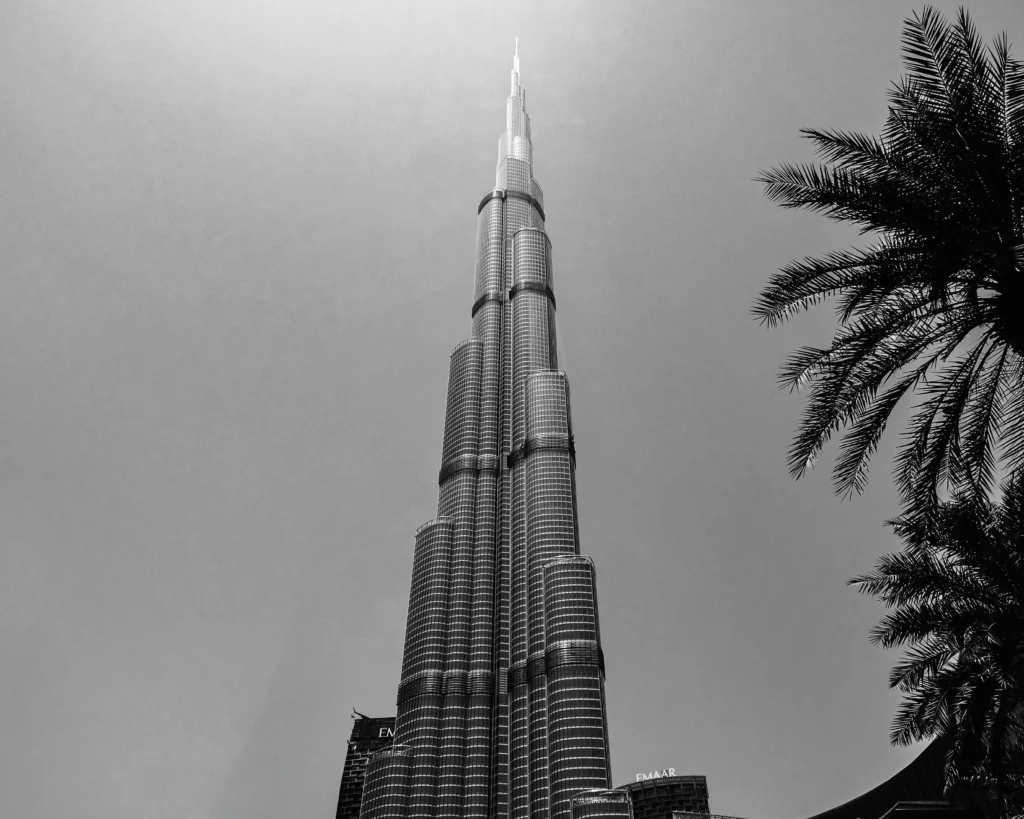
As of October 2023, the tallest building in the world is the Burj Khalifa in Dubai, United Arab Emirates. Standing at an impressive height of 828 metres (2,717 feet), the Burj Khalifa has held the title since its completion in 2010. Designed by Skidmore, Owings & Merrill, this iconic structure boasts 163 floors and features a mix of residential, office, and hospitality spaces. Its design draws inspiration from Islamic architecture, symbolising both Dubai’s cultural heritage and its aspirations for modernity.
Upcoming Competitors
However, the Burj Khalifa is not expected to remain unchallenged for long. Several ambitious projects are currently under construction, promising to reach new heights. Notably, the Jeddah Tower in Saudi Arabia aims to surpass the Burj Khalifa with a planned height of over 1,000 metres (3,281 feet). Once completed, this tower will mark a significant milestone in architectural engineering and will serve as a central feature in Jeddah’s urban development plans.
Additionally, the Dubai Creek Tower, also in Dubai, is set to challenge these records, designed to exceed 1,000 metres, although its completion date has faced delays. Other contenders include the Wuhan Greenland Center in China and the One World Trade Center in New York City, both of which project ambitious heights and complex designs.
Technological Advancements
The race to construct the world’s tallest buildings has been significantly influenced by advancements in technology. Innovations in materials, such as high-strength concrete and steel, alongside sophisticated engineering techniques, have enabled architects to design taller, safer, and more energy-efficient structures. Wind tunnel testing and earthquake-resistant designs are now standard protocols ensuring structural integrity in extreme conditions.
Conclusion
The quest for building the tallest skyscraper reflects not only technical advancement but also the cultural and economic ambitions of societies worldwide. As urban populations continue to grow, the importance of vertical living will likely increase, empowering architects and engineers to push the boundaries of what is possible. As we look forward to the completion of future record-breaking towers, the world’s tallest buildings will continue to inspire awe and represent the heights of human achievement.