










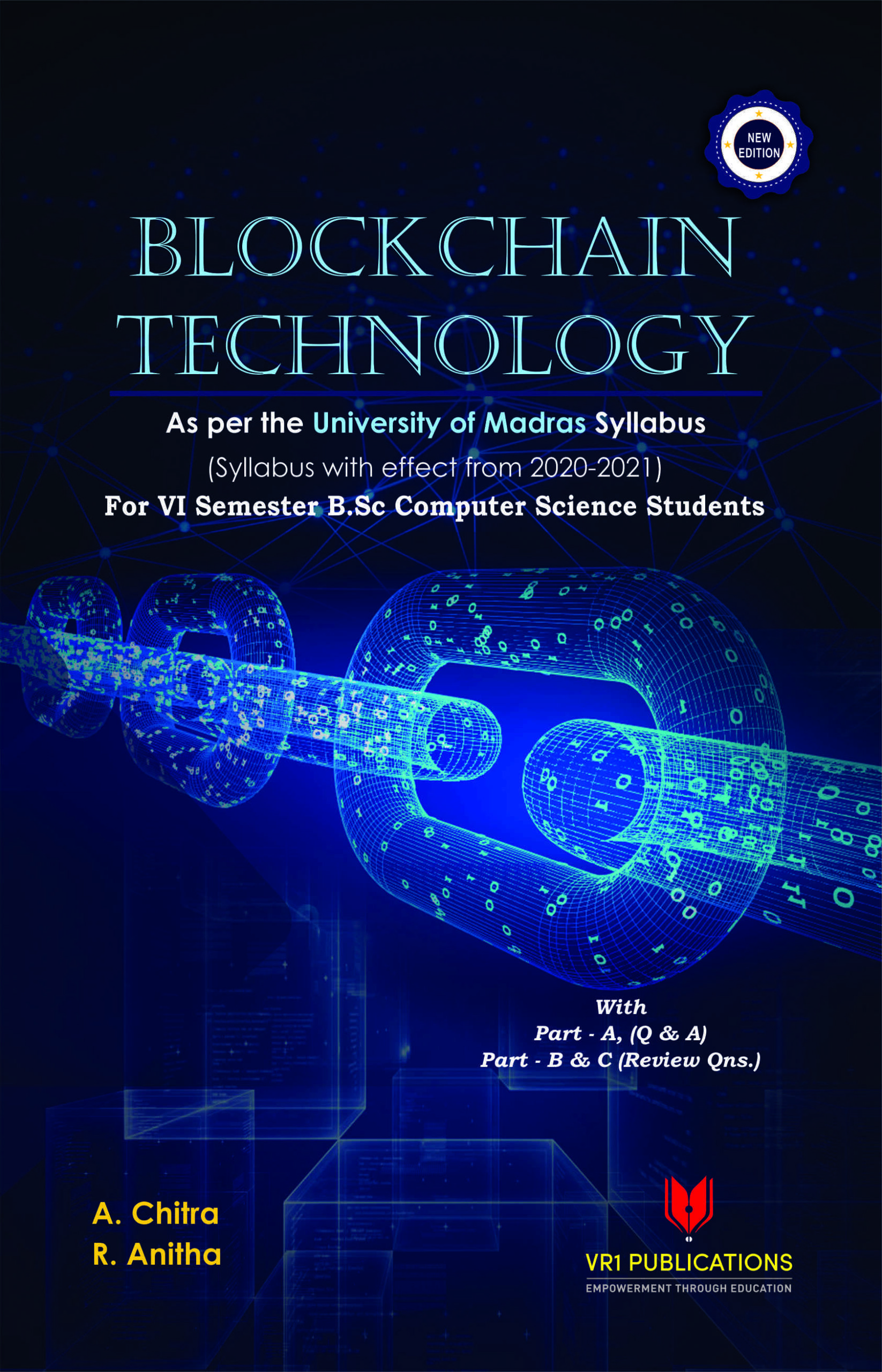
Introduction to Blockchain Technology
Blockchain technology has emerged as a transformative force across various sectors, fundamentally changing how we think about data security and transparency. Interest in this technology has surged as organisations and governments recognise its potential to enhance operational efficiency, reduce fraud and streamline processes. Its relevance is underscored by the increasing integration of blockchain in areas such as finance, supply chain management, healthcare, and even public governance.
What is Blockchain Technology?
At its core, blockchain technology is a decentralised digital ledger that records transactions across multiple computers, ensuring that the recorded data cannot be altered retroactively without the consensus of the network. This feature makes it incredibly secure and reliable. Each block in the chain contains transaction data, a timestamp, and a cryptographic hash of the previous block, which together form an unchangeable chain of information.
Current Developments and Use Cases
In recent months, blockchain technology has gained attention through high-profile developments in various industries. For instance, many financial institutions have begun adopting blockchain for cross-border payments to reduce costs and transaction times. In supply chain management, companies are utilising blockchain to increase transparency and traceability. A notable example is Walmart, which uses blockchain to trace the origin of food products, thus improving food safety. Healthcare is also seeing innovative applications, with blockchain being used to securely share patient records across different healthcare providers.
The Future of Blockchain Technology
Looking ahead, experts anticipate that blockchain will continue to evolve and find new applications. Predictions suggest that the global blockchain technology market size will reach USD 163 billion by 2027, growing at a compound annual growth rate (CAGR) of 67.3% from 2020. This explosive growth is driven by the increasing need for secure transactions and the rising demand for transparency in digital interactions.
Conclusion
In conclusion, blockchain technology represents a significant leap in the way we manage and secure data. Its applications are rapidly expanding, and as more businesses and governments explore its advantages, it is clear that blockchain is not just a buzzword but a crucial component of the future digital economy. As adoption continues to grow, understanding the implications and operational mechanics of blockchain will be vital for individuals and organisations alike.