










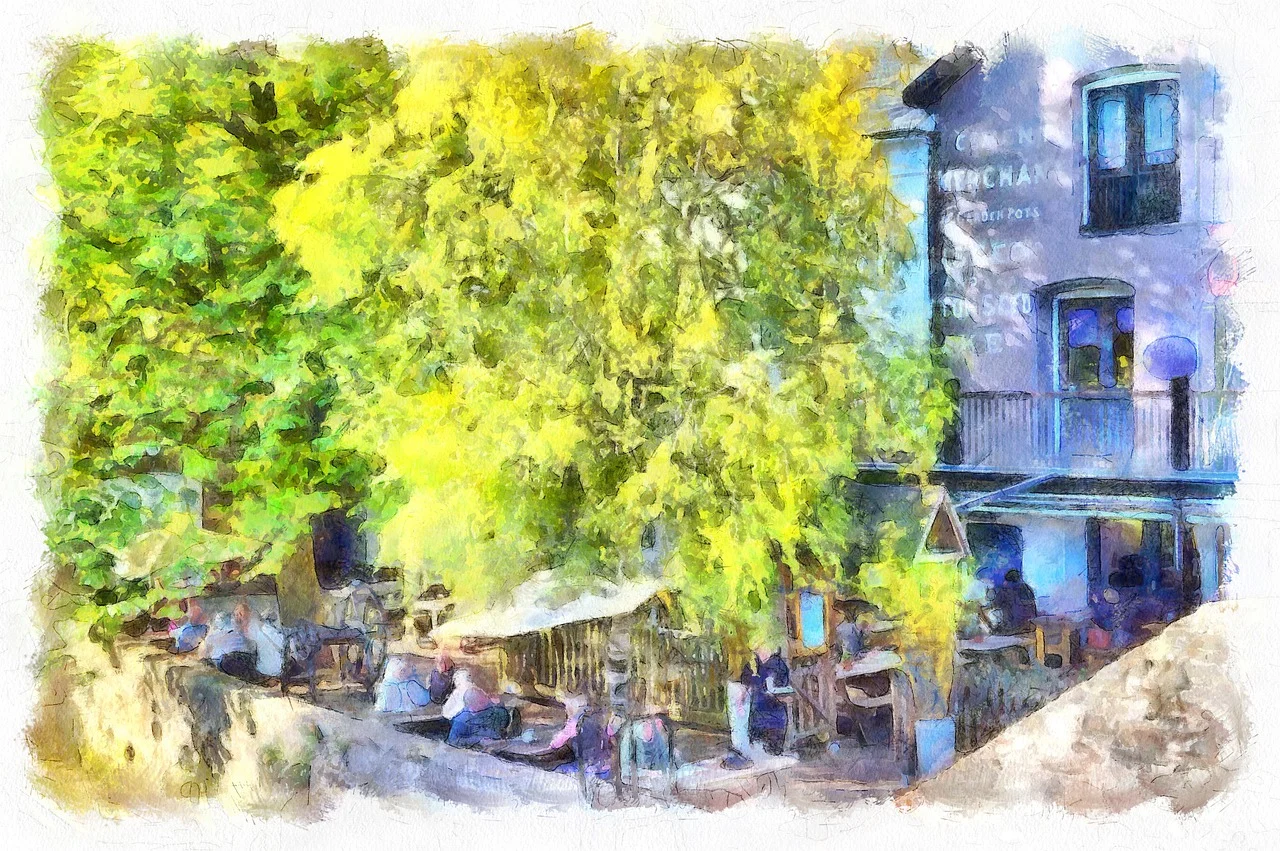
Introduction to Totnes
Totnes, a picturesque market town located in Devon, England, holds significant importance due to its rich cultural heritage and vibrant community. Known for its unique blend of history and modernity, Totnes attracts tourists and locals alike, making it a focal point in the South West of England. Recently, it has been in the news for its innovative projects aimed at sustainability and community engagement, highlighting its relevance in today’s world.
A Deep Dive into Totnes’ Historic Significance
Founded in the 11th century, Totnes boasts an impressive history that includes being one of the earliest Norman settlements in the region. The town has retained many historical structures, including the 13th-century Totnes Castle, which offers visitors a glimpse into the past and stunning views of the surrounding countryside. The local architecture showcases a mix of medieval, Elizabethan, and Georgian styles that reflect its long-standing heritage.
Recent Developments and Events
In recent months, Totnes has made headlines for its unique approach to community wellness and environmental sustainability. The town has initiated several eco-friendly projects, such as community gardens and local farmers’ markets, designed to promote self-sufficiency and reduce carbon footprints. One of the notable events was the annual Totnes Food Festival, which celebrated local produce and encouraged residents to support local businesses, drawing in visitors from all around Devon.
Moreover, the growing interest in eco-tourism has further spotlighted Totnes as a model for sustainability, making it increasingly popular among environmentally conscious travellers. Residents have also been involved in various workshops and events promoting organic farming and sustainability practices.
The Significance of Totnes
As Totnes continues to evolve, its significance lies not only in its historical roots but also in its proactive role in addressing contemporary issues. The blend of tradition and innovation makes Totnes a crucial case study in sustainable community development. With local governance and active citizen involvement, the town exemplifies how historical towns can adapt to modern challenges while preserving their unique character.
In conclusion, Totnes stands as a beacon of historical richness combined with forward-thinking sustainability practices. As the town continues to grow and adapt, its relevance in both local and national contexts is likely to strengthen, making it a model for other towns facing similar challenges. Readers interested in culture, history, and environmental sustainability will find Totnes a compelling destination to explore.