










Introduction
The Czech Republic, nestled in central Europe, is renowned for its rich cultural heritage, stunning architecture, and historical significance. With a diverse landscape comprising mountains, forests, and vibrant cities, it has become a popular destination for tourists and history enthusiasts alike. In recent years, as travel restrictions have eased, the Czech Republic has been increasingly spotlighted as a must-visit location for those seeking unique experiences.
Cultural Heritage
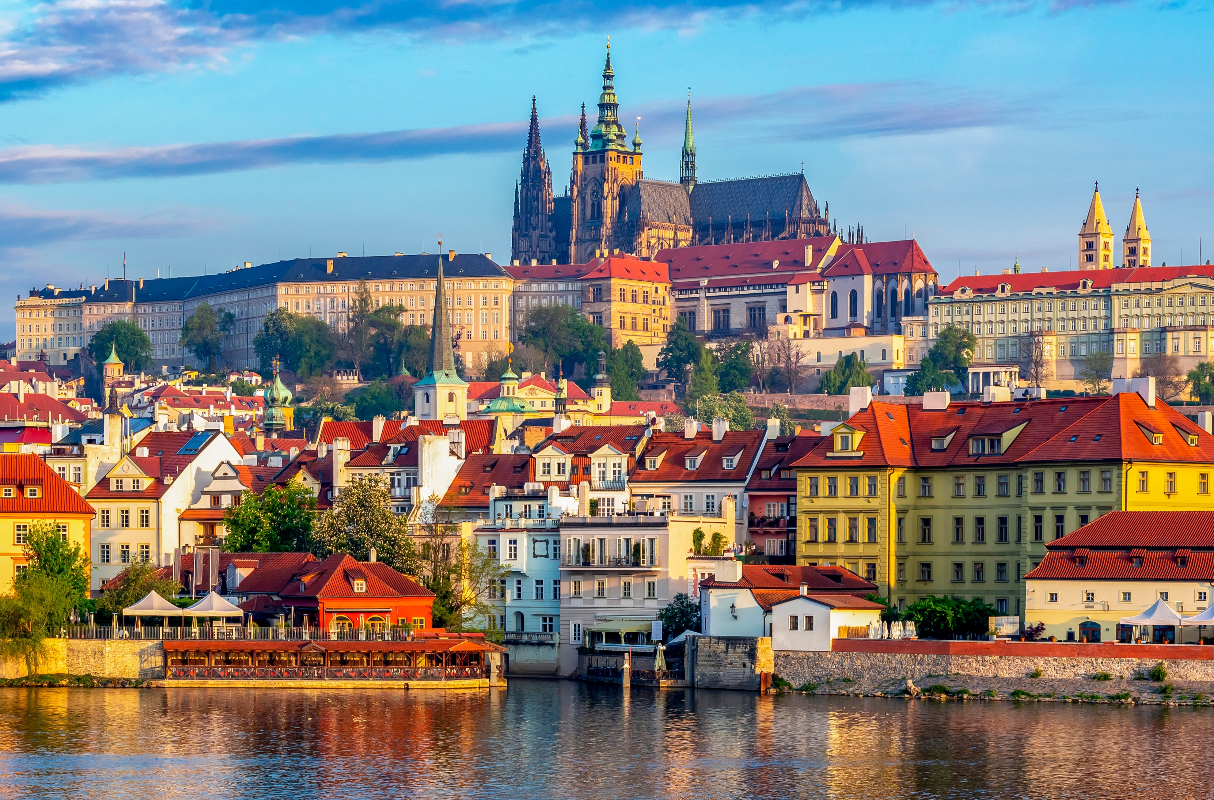
The Czech Republic is home to numerous UNESCO World Heritage Sites, including the historic centre of Prague, Český Krumlov, and the gardens and castle of Kroměříž. Each of these sites provides a glimpse into the country’s storied past, showcasing architecture from Gothic to Baroque styles. Prague, often referred to as “The City of a Hundred Spires,” captivates visitors with its iconic Charles Bridge, Old Town Square, and the magnificent Prague Castle, which has stood for over a millennium.
Recent Developments and Tourism Growth
According to the Czech Statistical Office, tourist visits increased significantly by 44% in the second quarter of 2023 compared to the previous year. This surge has been attributed to the country’s reopening to international tourists and its efforts to enhance the visitor experience. New initiatives such as guided tours in multiple languages and an emphasis on sustainable tourism have begun to take shape. The marketing campaign launched in summer 2023, ‘Czechia – Go with the Flow’, aims to promote lesser-known regions alongside well-known landmarks, encouraging travellers to explore beyond the typical tourist routes.
The Importance of Czech Cuisine
The Czech Republic is also gaining recognition for its culinary offerings. Traditional dishes such as goulash, svíčková (marinated beef with cream sauce), and trdelník (a sweet pastry) have become essential components of the tourist experience. The country’s breweries are world-famous, with Pilsner Urquell, Budweiser Budvar, and other local beers enticing both local and international consumers. Food festivals celebrating Czech cuisine have become increasingly popular, drawing their own crowd and fostering cultural exchange.
Conclusion
The Czech Republic remains a vibrant, culturally rich destination that has much to offer to visitors. With its focus on enhancing tourism and celebrating its cultural heritage, the country is set to continue attracting millions of tourists each year. As travel trends shift towards exploring authentic experiences, the Czech Republic stands out as a harmonious blend of history, culture, and adventure, promising significant growth in tourism and international appreciation in the coming years.