









Introduction
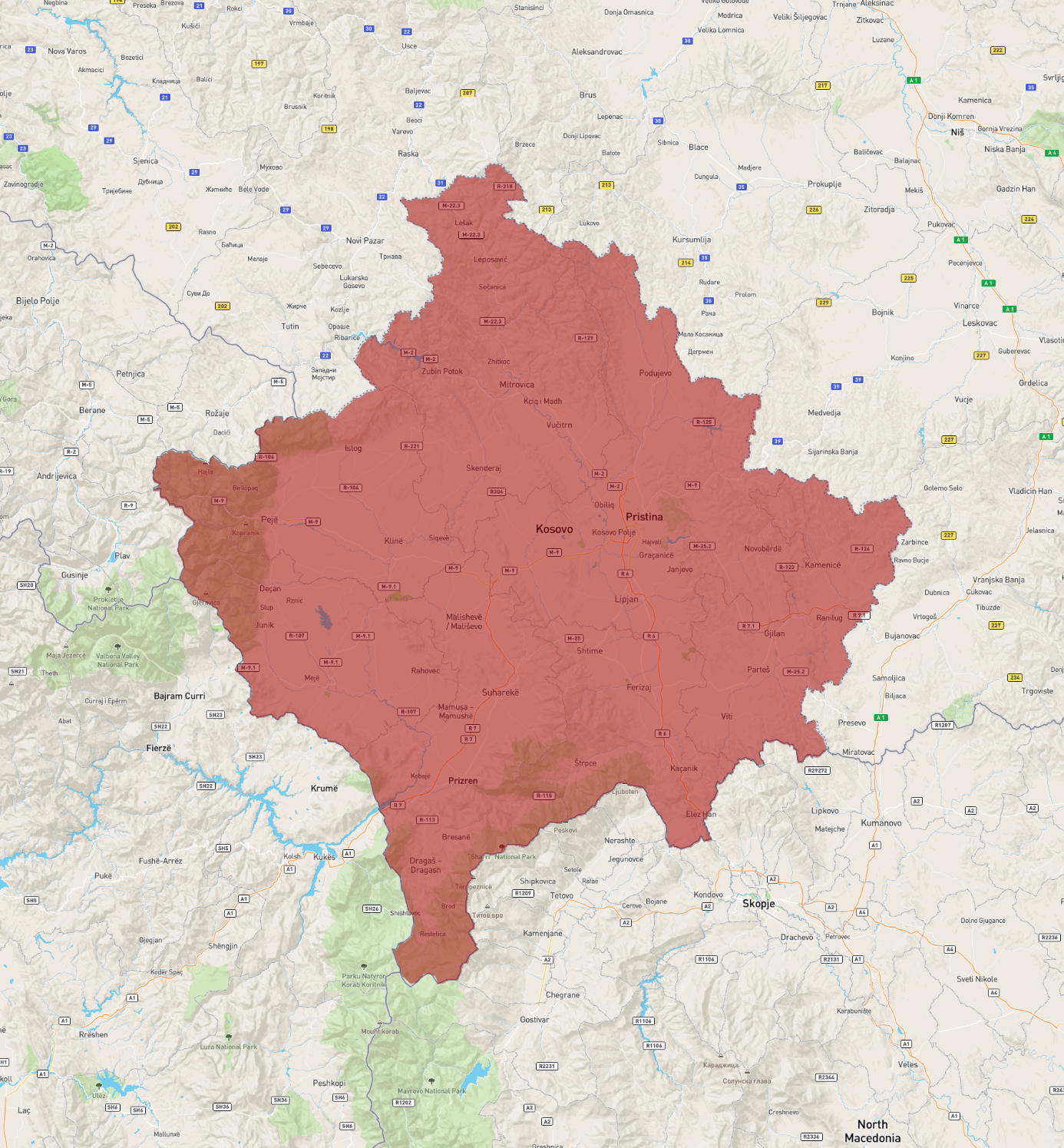
Kosovo, a small landlocked country in Southeast Europe, has become a focal point of political tensions and international debates since declaring independence from Serbia in 2008. The ongoing struggle for recognition and stability in Kosovo is crucial not only for its citizens but also for the broader Balkan region and European Union stability.
Recent Developments
In recent months, Kosovo has witnessed a resurgence of tensions, particularly concerning its relationship with Serbia. After the local elections in May 2023, the ethnic Albanian mayoral candidates faced significant backlash from the Serbia-aligned populace in the northern municipalities. Violent protests erupted, resulting in clashes between protesters and police, highlighting the strained inter-ethnic relations within the country.
Furthermore, the European Union has been actively engaged in mediating between the two nations. A recent EU-brokered agreement aimed at normalising relations has seen delayed implementation, with both parties often at an impasse regarding key issues such as the status of the Serbian minority in Kosovo and the exchange of border territories.
International Influence
The international community, particularly the NATO-led KFOR mission, continues to play a significant role in maintaining peace and security in Kosovo. The presence of international forces has been critical in de-escalating potential conflicts. However, geopolitical nuances, especially the influence of Russia and China in the region, complicate the situation further. Russia, a long-time ally of Serbia, opposes NATO expansion and provides support to Serbia, while China has invested in infrastructure within the Balkans, increasing its footprint in the region.
Conclusion
The situation in Kosovo remains volatile yet pivotal. As the country grapples with its identity and seeks full international recognition, the implications extend beyond its borders. The ongoing dialogue between Kosovo and Serbia, backed by European and international stakeholders, will be vital for future stability in the Balkans. For residents of Kosovo and those following regional developments, the resolution of these issues will be critical not only for national harmony but also for broader European integration and peace.