










Introduction
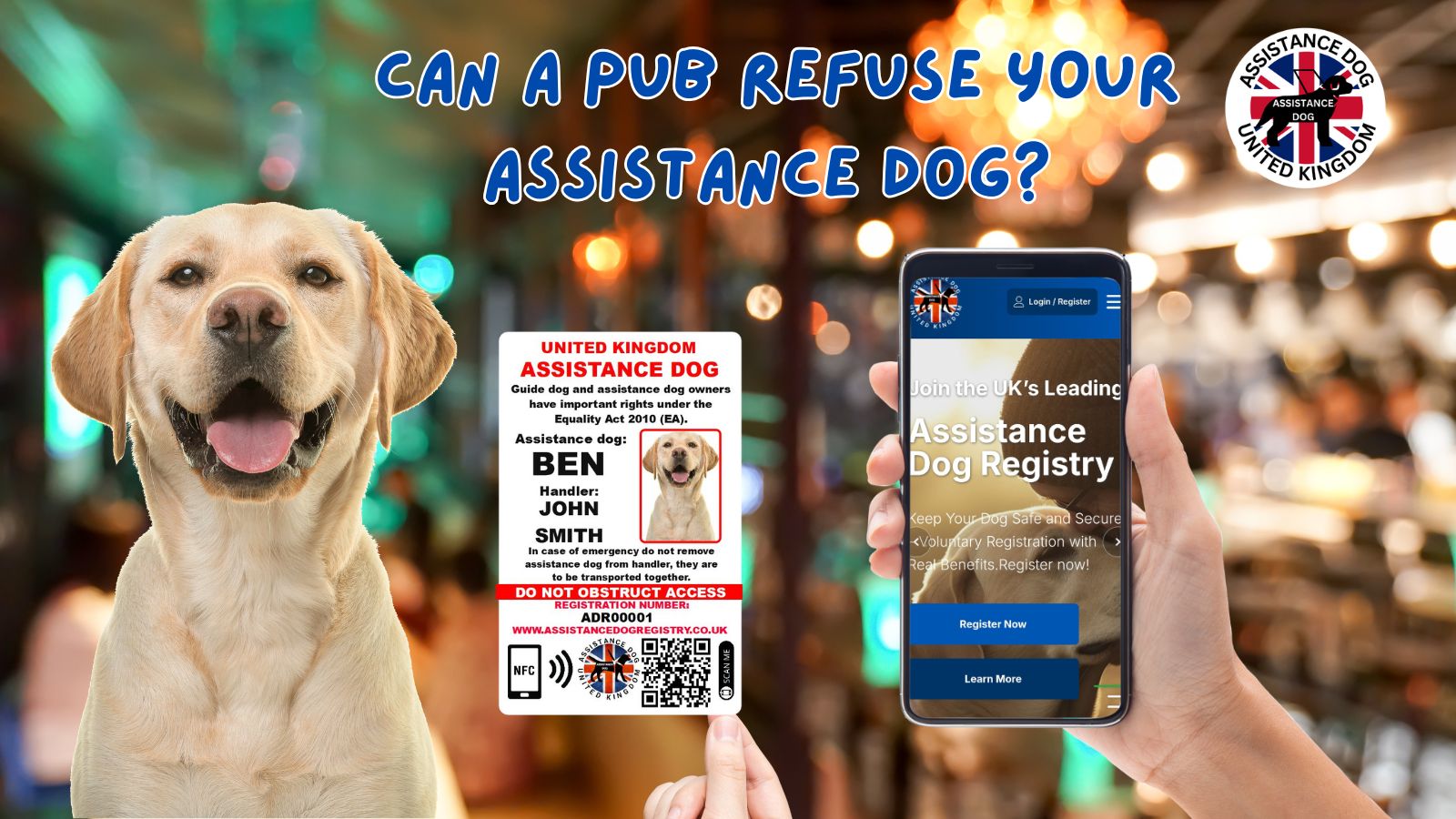
The importance of assistance dogs for individuals with disabilities cannot be overstated. These specially trained animals provide crucial support to their handlers, enhancing their independence and quality of life. As public venues, pubs and restaurants play a vital role in ensuring accessibility and inclusivity, whereby understanding the policies surrounding assistance dogs is essential for both businesses and customers. JD Wetherspoon, one of the UK’s largest pub chains, has specific guidelines regarding assistance dogs, which have been a topic of discussion among patrons and advocacy groups.
Details of the Assistance Dog Policy
JD Wetherspoon’s assistance dog policy allows service animals to accompany their handlers across all its premises. According to the company, the policy is in line with the Equality Act 2010 and aims to create an inclusive environment for all customers. Assistance dogs trained under a recognised programme, such as those provided by Assistance Dogs UK (ADUK), are welcome within the establishments.
The chain highlights that only registered assistance dogs, which have undergone specialised training, can enter its pubs. This includes guide dogs for the visually impaired, hearing dogs for the deaf, and other trained facility dogs that provide help to those in need. The company encourages patrons to be aware of the differences between assistance dogs and pets, often resulting in confusion or misunderstandings regarding entry regulations.
Recent Events and Customer Experiences
This policy came to the forefront during the recent incident involving a customer who faced issues bringing her assistance dog into one of Wetherspoon’s locations. This sparked a wave of discussion on social media platforms, with advocacy groups expressing both concern and praise for the company’s response. Wetherspoon took immediate action to clarify their stance and educate staff at all locations to ensure compliance and awareness surrounding the policy.
The pub chain has also launched employee training sessions focusing on the importance of accessibility and the responsibilities of serving customers with assistance dogs. This initiative aims to foster a more welcoming atmosphere while maintaining the safety and comfort of all guests.
Conclusion
As the conversation around inclusivity expands, JD Wetherspoon’s assistance dog policy illustrates the broader societal movement towards accommodating individuals with disabilities. While there is still work to be done in educating staff and customers alike, the clarity provided by Wetherspoon’s guidelines shows a commitment to accessibility. For patrons of Wetherspoon and other similar venues, understanding these policies is vital for fostering respect and inclusivity in public spaces. As businesses continue to adapt to the needs of their customers, it is crucial for them to maintain clear and comprehensive policies regarding assistance animals, ensuring everyone can enjoy their services without barriers.