










Introduction
Macedonia, a region in Southeast Europe, is known for its rich history and diverse cultural heritage. As a crucial part of the Balkans, Macedonia represents a blend of various cultures, languages, and traditions. Understanding its significance is essential to appreciate the broader context of European history and current events.
Historical Context
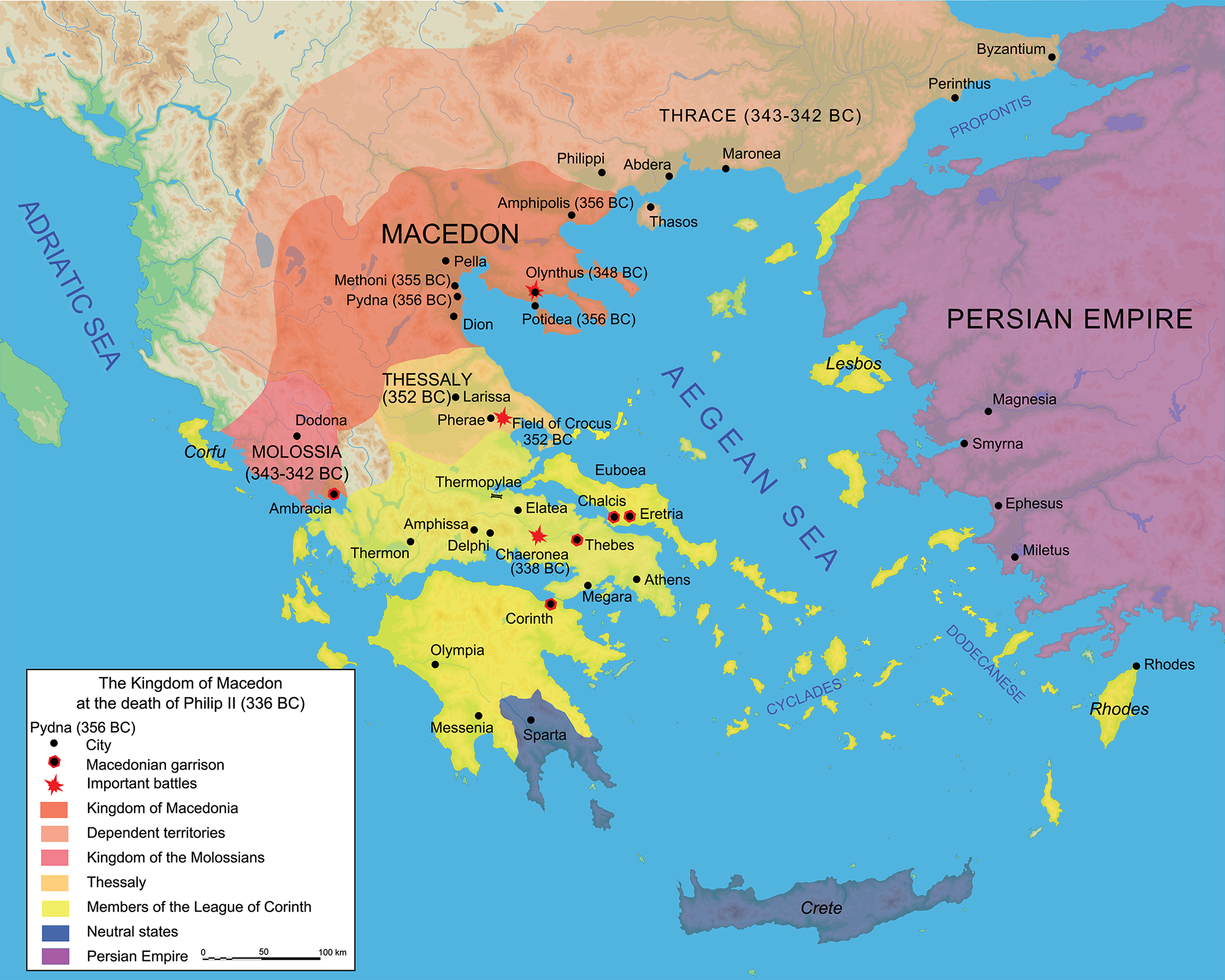
The historical significance of Macedonia dates back to antiquity, having been the birthplace of Alexander the Great. This legacy continues to influence the national identity of North Macedonia, the modern state that occupies part of the historic region. The region has witnessed numerous changes in sovereignty, especially through the Ottoman Empire and Yugoslavia before the country gained independence in 1991.
Current Landscape
In recent years, Macedonia, officially known as North Macedonia, has been in the news for its evolving political landscape and efforts to strengthen ties with the European Union and NATO. In June 2022, North Macedonia began accession talks with the EU, which marks a significant step towards integrating with Western Europe. However, tensions with neighbouring Bulgaria over historical and linguistic issues have posed additional challenges, demonstrating the complex relationship Macedonia has with regional politics.
Culture and Influence
The cultural tapestry of Macedonia is woven with influences from its Slavic, Greek, and Albanian populations. The country is celebrated for its traditional music, folk dances, and a rich culinary scene that showcases a mix of Mediterranean and Balkan flavours. Sites such as Ohrid Lake, a UNESCO World Heritage site, draw countless visitors each year, highlighting the natural beauty and historical importance of the region.
Conclusion
The significance of Macedonia extends beyond its borders, as it continues to play a crucial role in the stability and political dynamics of the Balkans. As North Macedonia takes steps towards greater integration with Europe, its unique cultural heritage and historical experiences will remain essential components of its identity. For readers interested in history, politics, or culture, understanding Macedonia offers valuable insights into both the past and the future of the Balkans.