










Introduction
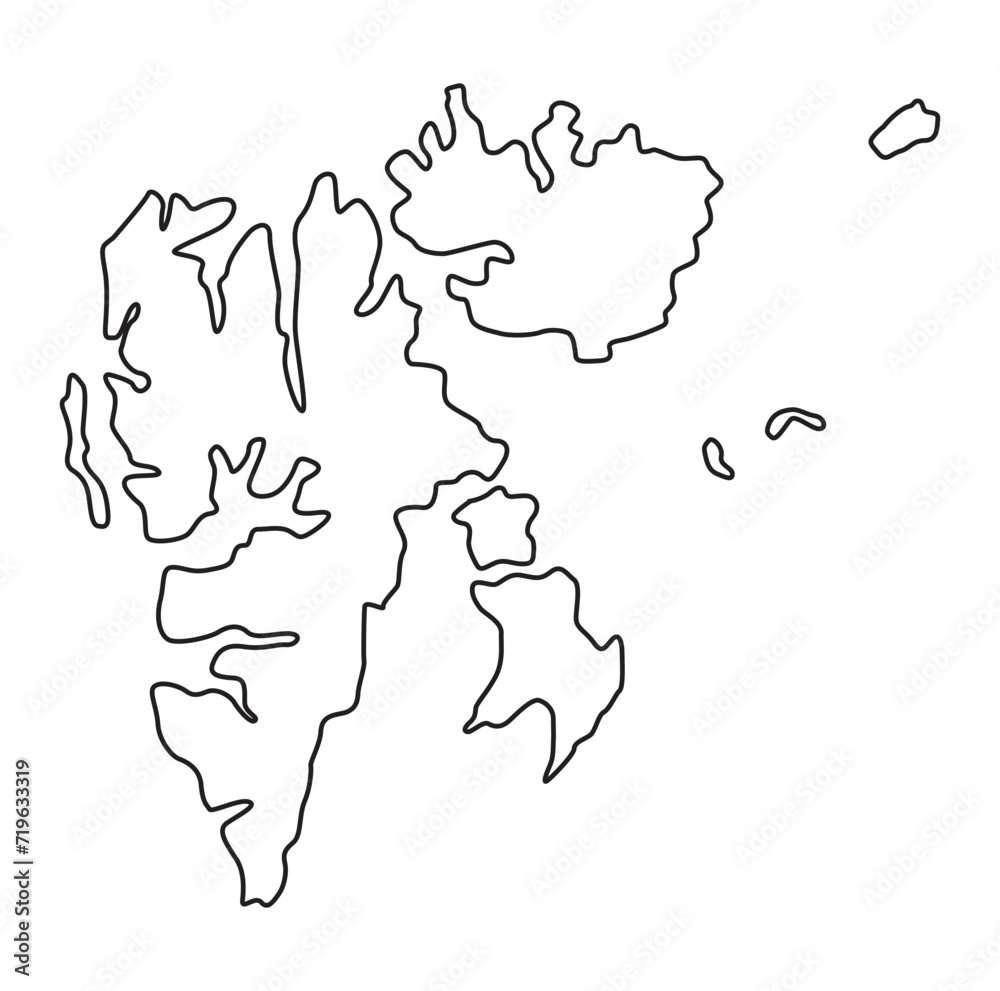
Svalbard, a remote archipelago located in the Arctic Ocean, serves as a significant site for environmental research and climate studies. Its unique geographical position not only makes it a stunning location for tourism but also a barometer for climate change effects. As scientists observe rapid changes in polar ice and ecosystems, Svalbard continues to gain relevance in global discussions around sustainability and conservation.
Geographical and Environmental Significance
Comprising several islands, Svalbard is primarily known for its stark landscapes, polar bears, and expansive glaciers. It is the northernmost inhabited region of the world, with Longyearbyen being its largest settlement, home to approximately 2,000 residents. Due to its extreme conditions, Svalbard has been a key area for researchers studying arctic wildlife and climate adaptations.
Recent Developments
In recent months, Svalbard has been in the spotlight due to rising temperatures that are causing significant ice melt. According to the Norwegian Polar Institute, annual temperatures in Svalbard have increased by 3 degrees Celsius since the early 1970s, a stark indication of the impacts of climate change. The region is not only an essential site for understanding these changes but also serves as a critical storage facility for global biodiversity. The Svalbard Global Seed Vault, often referred to as the ‘Doomsday Vault’, safeguards genetic material from around the world against global catastrophes.
Tourism and Cultural Insights
The unique environment of Svalbard attracts tourists interested in witnessing the northern lights, vibrant wildlife, and breathtaking landscapes. In summer, visitors can experience the phenomenon of the midnight sun, while winter offers engaging activities like dog sledding and glacier hikes. Tours operated by local companies are focused on protecting the fragile ecosystem while promoting responsible tourism, which is crucial for preserving Svalbard’s natural beauty.
Conclusion
As Svalbard continues to highlight the effects of climate change while offering rich cultural and natural experiences, its importance on the global stage grows. Its role as a research hub will become increasingly vital as nations seek understanding of the Arctic’s changing climate. For readers, Svalbard not only symbolizes the beauty of the natural world but also serves as a reminder of the urgent need for global ecological awareness and action.