








Introduction
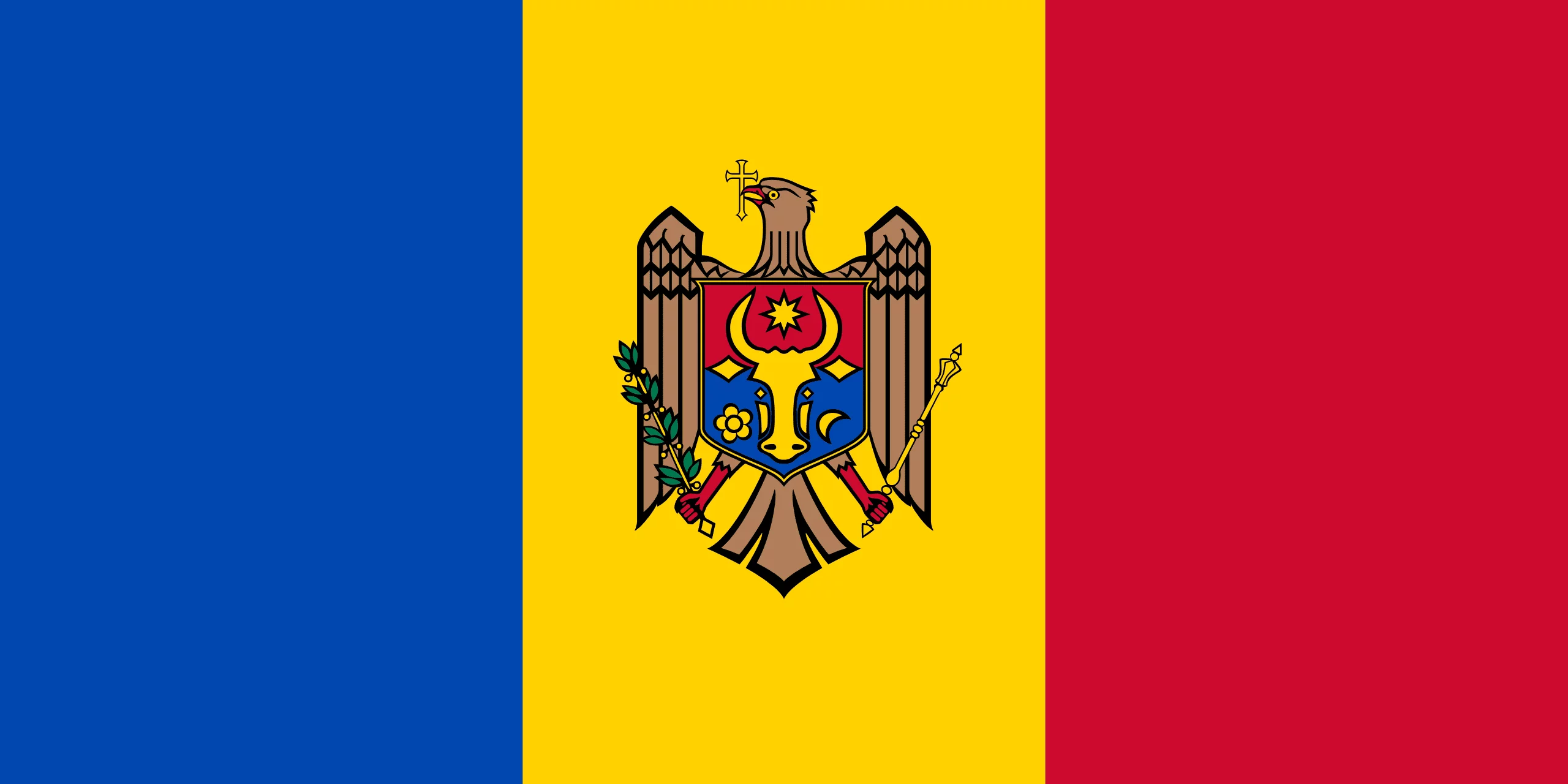
Moldova, a small Eastern European country nestled between Romania and Ukraine, has been gaining attention on the world stage for its significant political and economic developments in recent years. As it navigates issues of sovereignty, European integration, and internal reforms, Moldova’s trajectory is not only important for its citizens but also for regional stability and collaboration. The relevance of Moldova’s situation is magnified by its strategic significance and the ongoing geopolitical tensions in Eastern Europe.
Political Developments
In the 2021 parliamentary elections, the pro-European Party of Action and Solidarity (PAS) secured a commanding victory, leading to a shift towards reformative governance. Under the leadership of President Maia Sandu, efforts to combat corruption and enhance the rule of law have been prioritised. Recently, Moldova was granted EU candidate status, a monumental step towards potential future membership. This move highlights the European Union’s increasing interest in stabilising Eastern Europe amidst rising authoritarianism in neighbouring countries.
Economic Growth and Challenges
Moldova’s economy has shown signs of resilience, with significant recovery following the hardships experienced during the COVID-19 pandemic. The International Monetary Fund and other international bodies have noted improvements in GDP growth rates, partly due to increased remittances and agricultural exports. However, challenges remain, including significant energy dependence on imports, particularly from Russia, highlighting Moldova’s vulnerability to external shocks in energy prices.
Social Dynamics
The population of Moldova has been significantly impacted by migration trends, with many citizens relocating abroad for better opportunities. This has led to demographic challenges, including an ageing population and labour shortages. Nevertheless, the youth in Moldova are increasingly engaging in civic activities, advocating for reforms and expressing a desire for European integration. Numerous initiatives from civil society have emerged, promoting dialogue and engagement in shaping the future of the nation.
Conclusion
Moldova’s journey towards European integration represents both promise and challenges. While the government works to implement necessary reforms and combat corruption, the desire of the population for a brighter future is palpable. The international community is watching closely, as Moldova stands at a crossroads that could define its future trajectory. The support from the EU and other global partners will be crucial in helping Moldova navigate the complexities of democracy and economic sustainability in an increasingly uncertain geopolitical landscape.