










Introduction
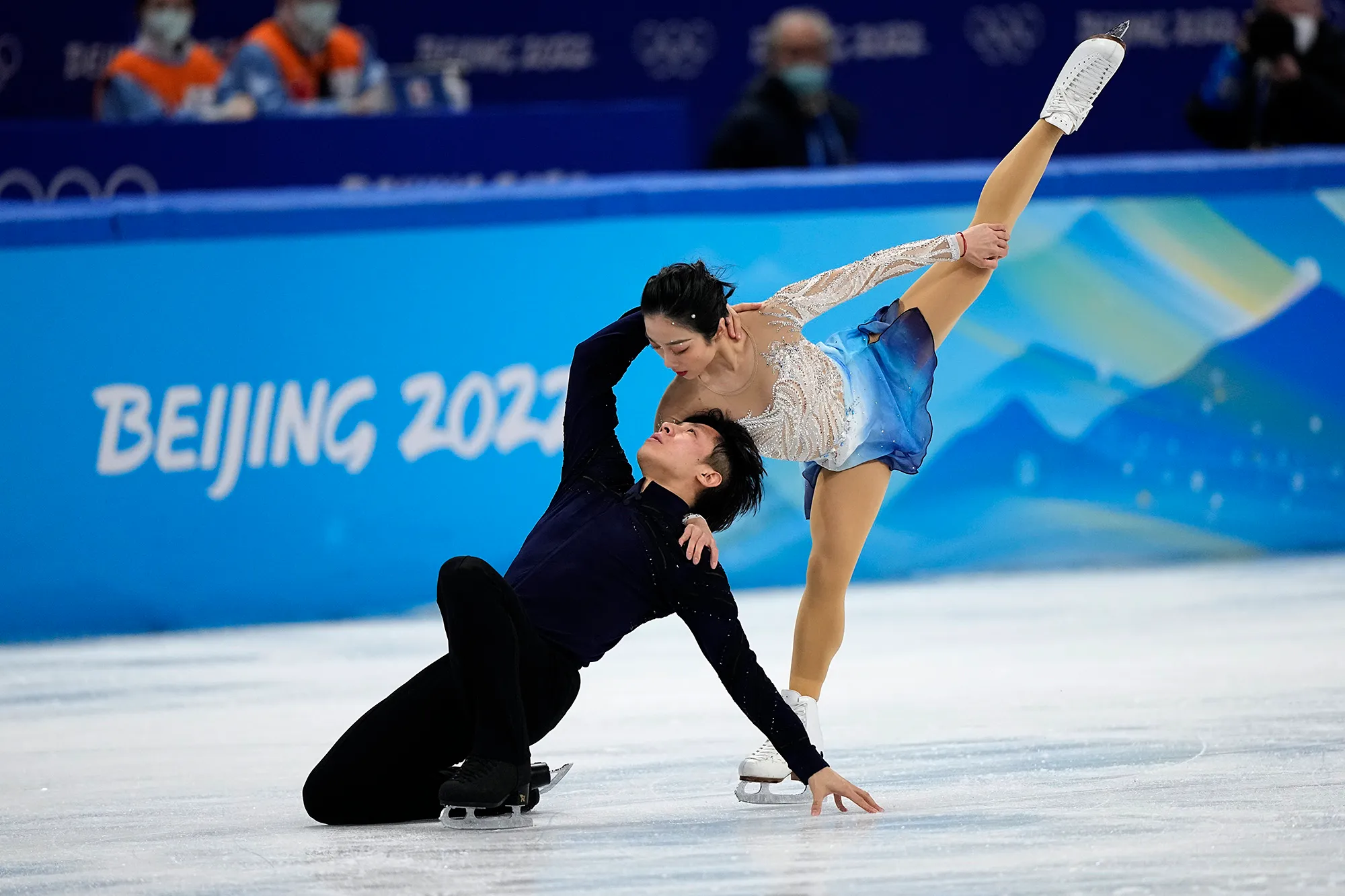
The Winter Olympics 2022, held in Beijing, China from February 4 to February 20, marked a significant event in the sports calendar, showcasing incredible athletic skills in various winter sports. The Games brought together athletes from over 90 nations, competing in 109 events across 15 disciplines, demonstrating the resilience and spirit of unity in the face of global challenges.
Key Events and Highlights
The Games featured several memorable moments, including the thrilling performances of Norway and Germany, which dominated the medal tally. Norway led with a staggering total of 37 medals, including 16 golds, while Germany followed with 27 medals.
One of the standout events was the Men’s Cross-Country Skiing 50km race, where Norway’s Johannes Høsflot Klæbo made headlines for his unprecedented performance, winning gold and solidifying his status as one of the sport’s greats. In women’s individual events, Eileen Gu, representing China, stole the show by winning gold medals in freestyle skiing, becoming a national icon overnight.
Environmental Initiatives
The Winter Olympics 2022 also emphasized sustainability with the introduction of eco-friendly practices. Organisers implemented measures to reduce carbon emissions, including using renewable energy sources for all venues and promoting electric vehicles for transportation.
Conclusion
The Winter Olympics 2022 concluded with an elaborate closing ceremony that celebrated the athletes and the spirit of sportsmanship in competition. While there were challenges, notably surrounding the pandemic, the event successfully showcased the determination and talent of winter athletes. Looking ahead, the Games leave a legacy of inspiring future generations to embrace sports and foster international camaraderie. The next Winter Olympics are set to take place in 2026 in Milan and Cortina d’Ampezzo, Italy, promising even more excitement and competition.