










Introduction
North Macedonia, located in the heart of the Balkans, holds a unique and significant place in European history and culture. This landlocked country has a dynamic past influenced by various empires, making it an intriguing study for historians and travellers alike. Its recent path towards integration into European structures and the challenges it faces in this process adds to its relevance on the global stage.
The Historical Context
North Macedonia’s history dates back to ancient times, with significant archaeological finds indicating settlements during the Neolithic. It was part of the Roman and Byzantine empires, which helped shape its cultural fabric. The region was notably the birthplace of Alexander the Great, which offers a profound historical narrative that appeals to both scholars and tourists. In the 20th century, North Macedonia was part of Yugoslavia until it gained independence in 1991, marking a pivotal turn in its national identity.
Recent Developments
In recent years, North Macedonia has made headlines for its significant political developments. In 2019, it officially became a NATO member, a milestone that underscored its ambitions to integrate further into Euro-Atlantic structures. The nation also changed its name from the former Yugoslav Republic of Macedonia to North Macedonia as part of the Prespa Agreement with Greece, resolving a long-standing dispute that had significant international implications.
Economic Progress
Economically, North Macedonia is on the rise. The government has implemented various reforms aimed at attracting foreign investment, especially in the technology and manufacturing sectors. Collaborations with regional and European partners have led to modest growth indicators, but challenges remain in terms of unemployment and socio-economic disparities.
Guardians of Cultural Heritage
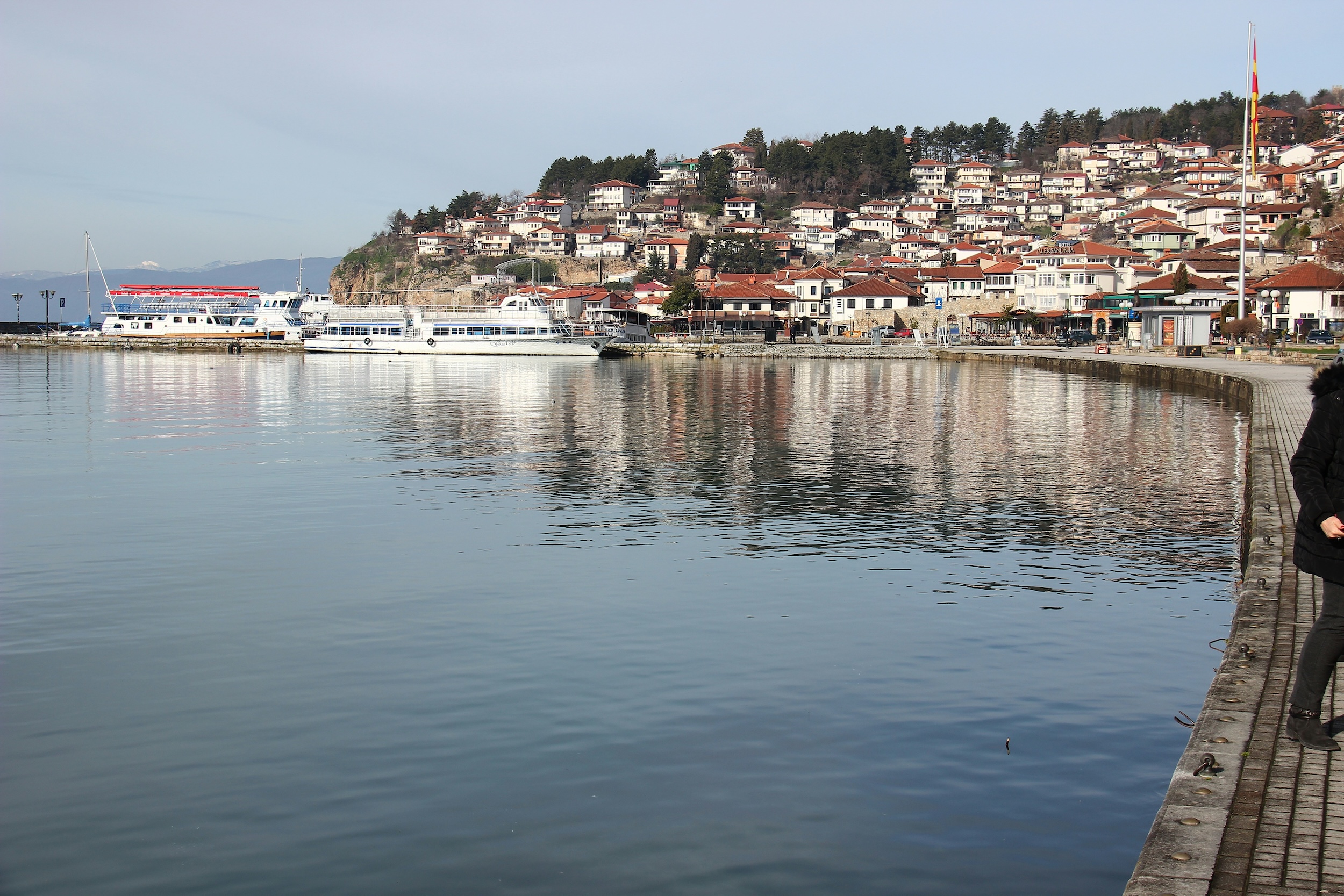
North Macedonia is rich in cultural heritage, boasting several UNESCO World Heritage Sites. The historic city of Ohrid, famous for its ancient churches and stunning lake, illustrates the nation’s commitment to preserving its heritage while embracing modernity. Festivals celebrate everything from traditional music to culinary delights, inviting visitors to experience the local culture.
Conclusion
The journey of North Macedonia is one of resilience, challenging history, and promising potential. As it continues to navigate its path towards greater European integration, the importance of understanding its past and present cannot be overstated. For readers and travellers, North Macedonia offers a wealth of experiences, making it a notable destination that merits closer exploration.