









Introduction
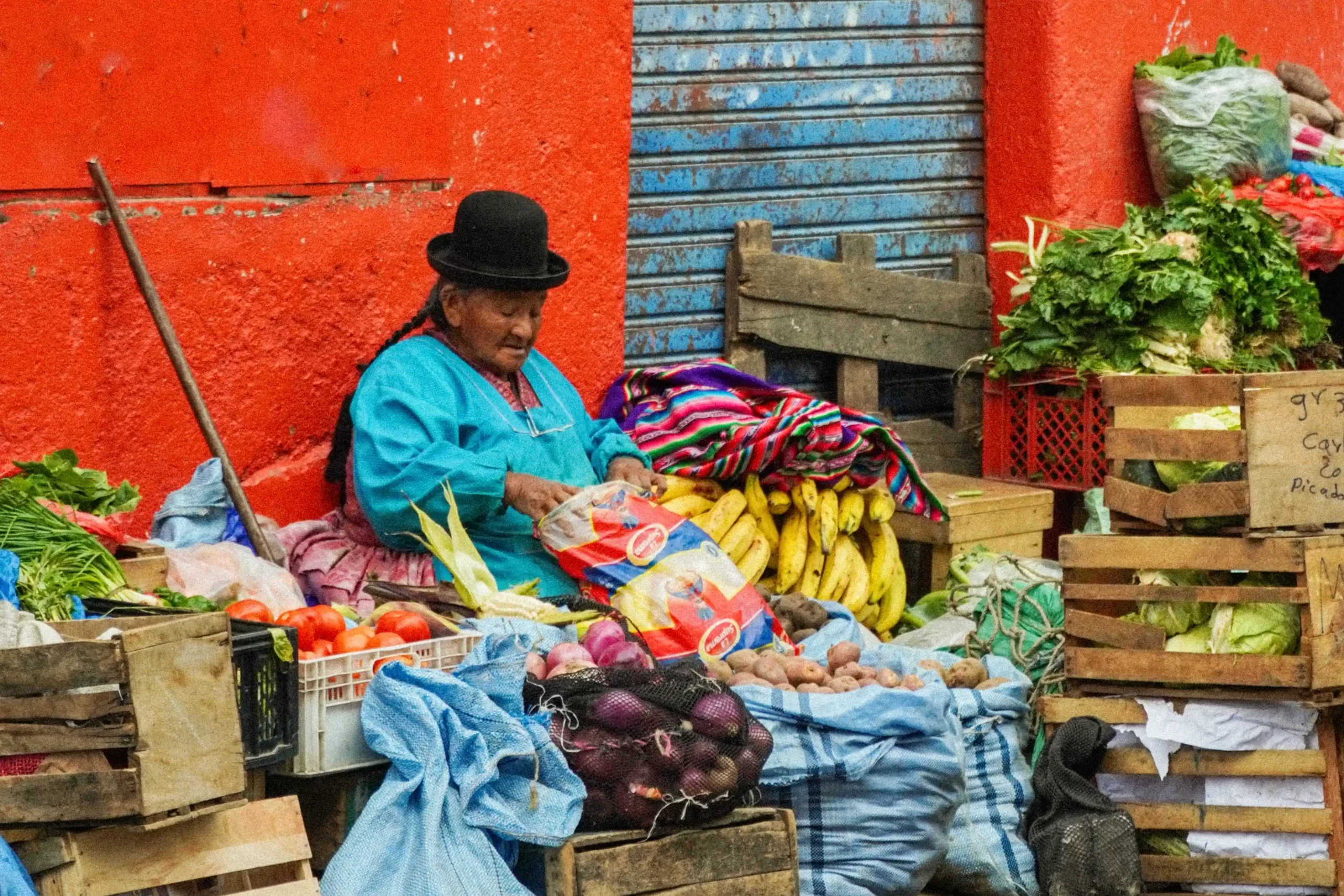
Bolivia, a landlocked nation in South America, is renowned for its rich cultural diversity and significant indigenous population. It has a complicated political landscape, marked by social movements and economic challenges. Recent events have highlighted the importance of Bolivia on the regional stage, particularly in relation to environmental issues and indigenous rights, making it a relevant subject for global discourse.
Political Landscape
Bolivia’s political history has been tumultuous, marked by coups and popular uprisings. In the last two years, the political dynamics have shifted following the 2020 elections, which saw the return of the MAS party and President Luis Arce, succeeding Jeanine Áñez’s interim government. Arce’s administration has focused on reviving the economy, which was severely impacted by the COVID-19 pandemic. The management of national resources such as lithium, crucial for global batteries, has also put Bolivia on the geopolitical map.
Environmental Issues
Environmental concerns in Bolivia, particularly related to deforestation and climate change, are gaining traction. Bolivia is home to a biodiverse range of ecosystems, including the Amazon rainforest and the Andes mountains. In 2023, reports highlighted an increase in illegal logging and land clearance activities that threaten these habitats. Activists argue for sustainable development practices, asserting the need to balance economic growth with environmental preservation.
Indigenous Rights and Social Movements
Indigenous movements continue to play a vital role in Bolivian society. The country’s constitution recognises plurinationality, granting various ethnic groups rights over their land and resources. Recent protests have focused on land rights and opposition to mining activities that adversely affect indigenous territories. These movements reflect broader global conversations about indigenous sovereignty and sustainable development, showcasing Bolivia as a critical participant in these discussions.
Conclusion
Bolivia’s rich tapestry of cultures, alongside its political and environmental struggles, makes it a nation of significant interest. As the world increasingly grapples with ecological challenges and social justice movements, Bolivia stands at the forefront. The upcoming years may see Bolivia influence regional policies regarding these issues, highlighting its potential role as a leader in advocating for the rights of indigenous peoples and environmental sustainability. For readers around the world, staying informed about Bolivia is essential, as its developments will undoubtedly continue to resonate with global themes of equality, resource management, and cultural heritage.