Introduction
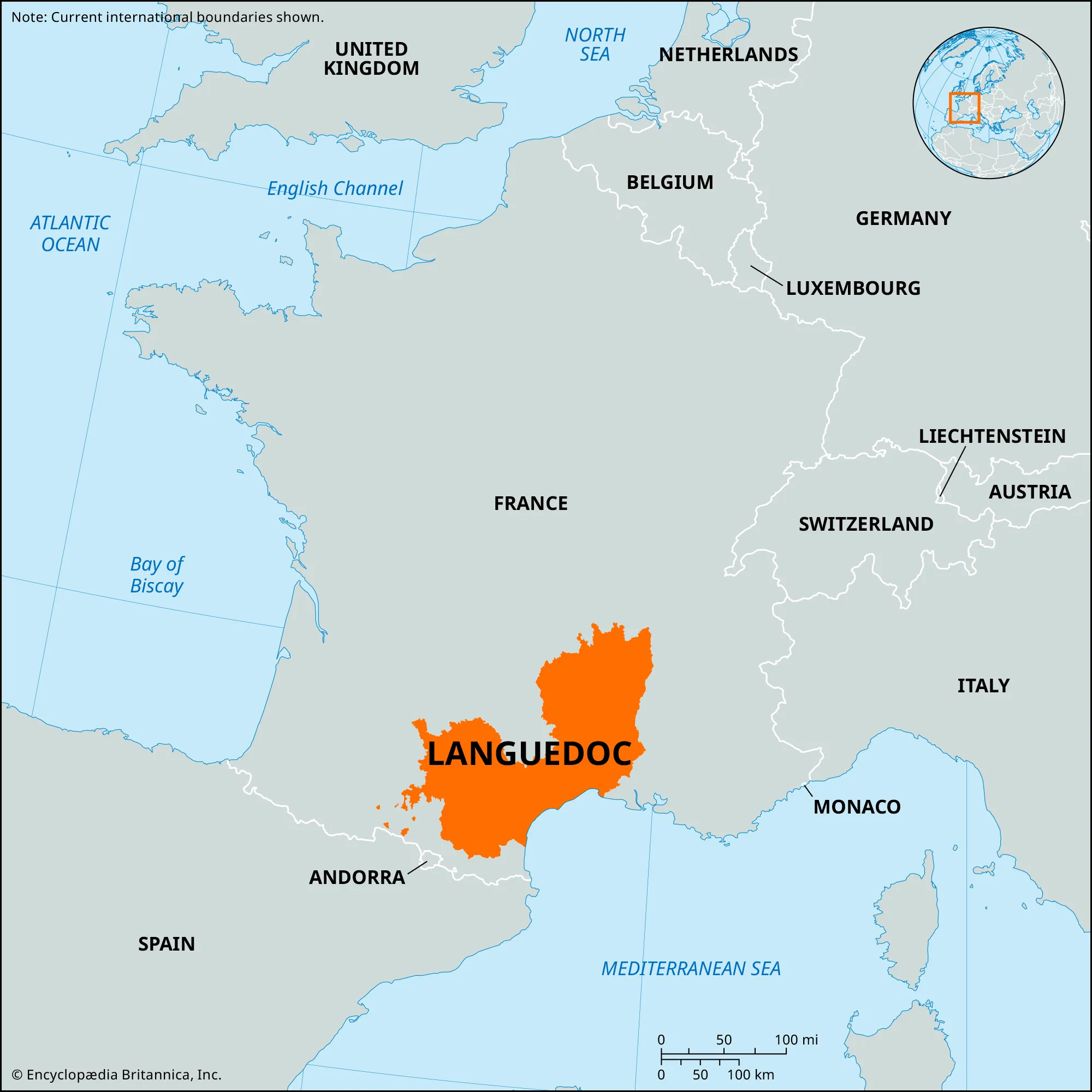
Languedoc, located in the southern part of France, is one of the world’s most significant wine-producing regions. With a rich history dating back to Roman times, Languedoc has evolved into a hub for wine enthusiasts and connoisseurs alike. The region’s diverse climate and varied soil types contribute to a wide variety of grape cultivars, making it a vital area for both traditional and innovative winemaking.
Historical Significance
The history of Languedoc can be traced back to ancient Roman vineyards, where the Mediterranean climate provided perfect conditions for grape growing. Today, it ranks as one of the largest wine regions in France, contributing approximately 25% of the country’s wine production. This area is renowned not just for its wines but also for its beautiful landscapes and historic towns, which attract tourists worldwide.
Current Developments
As of 2023, the Languedoc region is seeing a revitalisation of its wine industry, with many vineyards adopting sustainable practices to meet growing demands for organic and biodynamic wines. Recent reports from the Conseil Interprofessionnel des Vins du Languedoc indicate that there has been a significant increase in the production of high-quality wines, with small winemakers gaining recognition in both domestic and international markets. Exciting varieties such as Picpoul, Mourvèdre, and Grenache are on the rise, showcasing the region’s adaptability and terroir.
Festivals and Events
The significance of Languedoc extends beyond viticulture. The region hosts an array of wine festivals, such as the “Fête des Vendanges” in the picturesque city of Béziers, which celebrates the grape harvest. These events not only showcase local wines but also include tastings, food pairings, and cultural events, enhancing the visitor experience and promoting the Languedoc brand.
Conclusion
As Languedoc continues to forge its identity in the global wine market, the region’s rich history and evolving practices present exciting opportunities for both producers and consumers. With an increased focus on quality and sustainable agriculture, the future appears bright for Languedoc wines. Wine lovers looking to explore new flavours should consider this dynamic region as a critical player on the world stage, promising unique experiences and exceptional wines for years to come.