










Introduction to Statins and Their Importance
Statins are widely prescribed medications used to lower cholesterol levels in the blood, helping to reduce the risk of cardiovascular diseases. As heart disease remains a leading cause of mortality worldwide, understanding statins and their side effects is vital for patients and healthcare providers alike. While many individuals benefit from statin therapy, awareness of potential side effects is essential for informed decision-making and effective treatment.
Common Side Effects of Statins
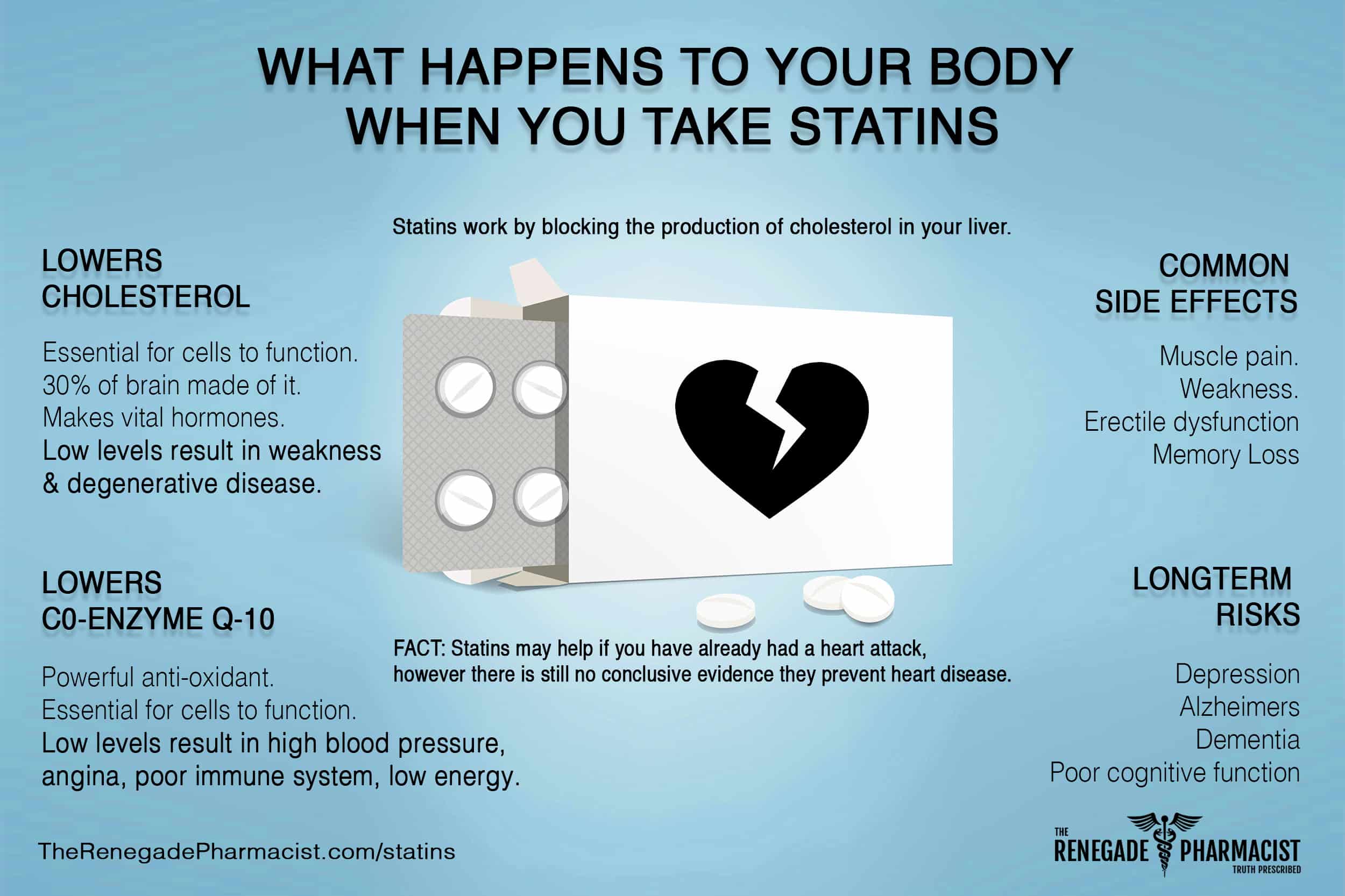
Research indicates that while statins are generally well-tolerated, some patients may experience side effects that can affect their quality of life. Common side effects include:
- Muscle Pain and Weakness: Statin myopathy, which can present as muscle soreness or weakness, is one of the most frequently reported side effects. This condition can vary from mild discomfort to severe pain.
- Digestive Issues: Some individuals may encounter gastrointestinal symptoms such as nausea, diarrhoea, or constipation, which can deter adherence to treatment.
- Increased Blood Sugar Levels: Statin use has been associated with a moderate increase in blood glucose levels, raising concerns about the risk of type 2 diabetes in some patients.
- Liver Damage: While rare, statins may cause liver enzyme elevations, prompting routine liver function tests during treatment.
- Cognitive Effects: Although widely debated, some users have reported cognitive changes, including memory loss and confusion while taking statins.
Recent Developments and Research
The latest studies continue to explore the balance between the cardiovascular benefits of statins and their potential side effects. A recent systematic review published in the ‘Journal of the American College of Cardiology’ highlighted that although some individuals may report side effects, the overall incidence is low. Furthermore, the long-term benefits of reducing heart disease risk often outweigh the potential risks associated with statin therapy.
Healthcare providers are encouraged to have candid conversations with their patients, discussing the risks and benefits of statin therapy. This may include exploring alternative cholesterol-lowering strategies if side effects are significant.
Conclusion: What It Means for Patients
For individuals prescribed statins, it’s crucial to monitor for side effects and maintain open communication with healthcare professionals. With ongoing research and better understanding of these medications, patients can engage in shared decision-making about their treatment plans.
As heart disease remains a significant health concern globally, recognizing the side effects of statins plays a crucial role in medication management, ensuring patients receive optimal care without undue risk. Future studies will undoubtedly shed more light on how to mitigate these side effects while preserving the cardiovascular benefits of statin therapy.