Importance of the Polar Vortex
As winter approaches, the polar vortex becomes a focal point in weather discussions, especially for regions prone to cold snaps. Understanding its implications is crucial for residents and policymakers alike, as it can significantly affect temperatures, precipitation patterns, and general winter conditions.
What is the Polar Vortex?
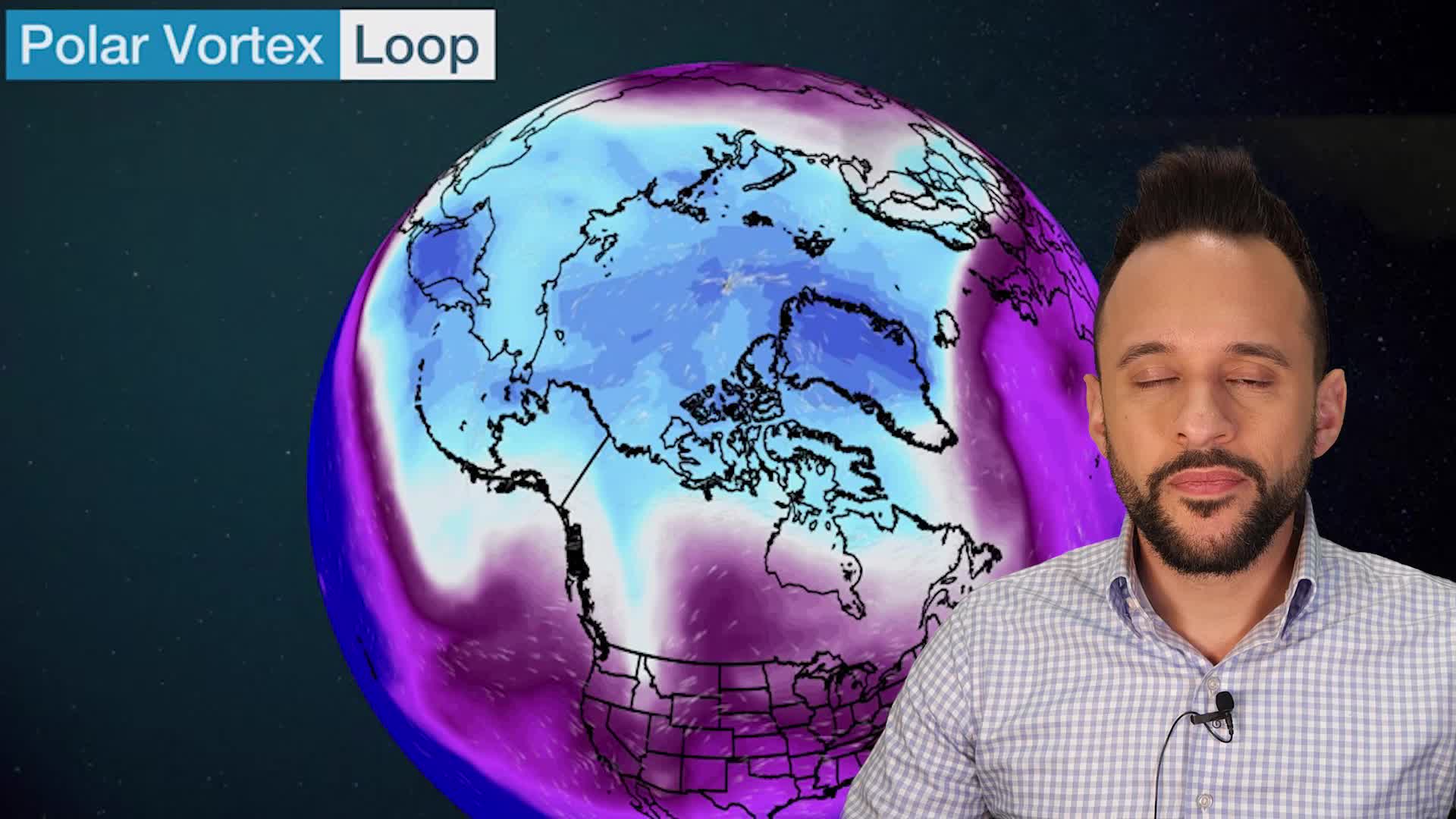
The polar vortex refers to a large area of low pressure and cold air surrounding the Earth’s poles. During winter months, this vortex strengthens and can cause the cold Arctic air to spill southwards. When the polar vortex weakens, these cold fronts can dive into mid-latitude areas, including parts of the UK, leading to significant drops in temperature and increased chances of snowfall.
Current Forecast and Predictions
Recent meteorological data suggests that the polar vortex is experiencing fluctuations, with indications of potential weakening in the coming weeks. Forecasters are predicting that this could lead to a more substantial outbreak of cold air across Northern Europe, including the UK. According to the UK Met Office, temperature drops are expected with nighttime lows reaching several degrees below freezing in some regions.
Impact on Daily Life
The anticipated cold snap is expected to affect various sectors, including transport and agriculture. Disruptions in travel due to snow and ice conditions may occur, and farmers will need to take precautions to protect crops from frost damage. Moreover, energy demands may increase due to heating needs, prompting discussions about energy supplies and costs during extreme weather events.
Conclusion and Outlook
The ongoing monitoring of the polar vortex will be crucial in determining the severity of winter weather in the UK this year. Residents are advised to stay updated through reliable weather channels and prepare for potentially harsh conditions. With climate change influencing weather patterns, understanding these phenomena becomes ever more important for preparedness and response in the face of unpredictable winter storms.