Introduction
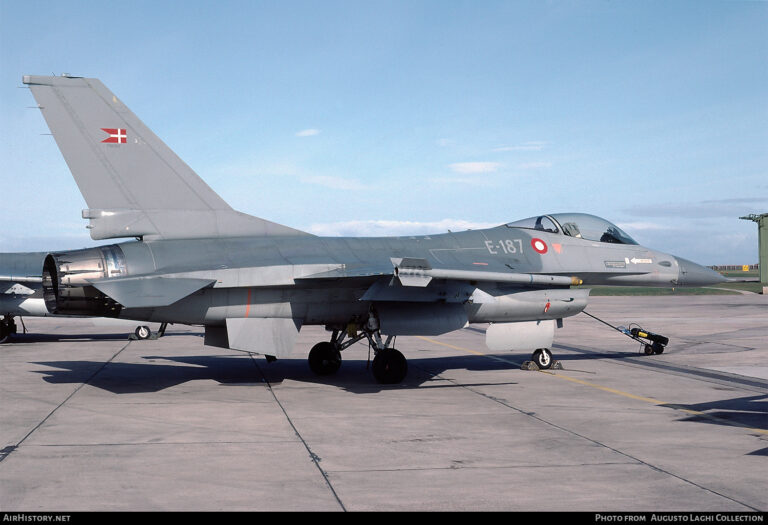
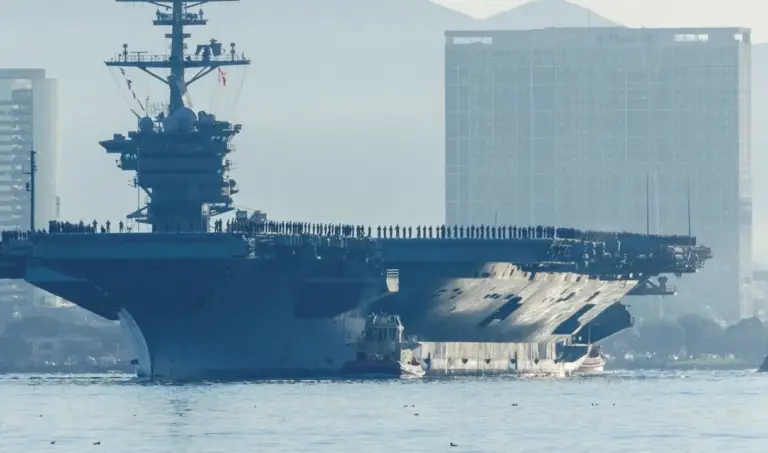
The term ‘war machine’ encapsulates the complex web of military capabilities, technologies, and strategies employed by nations to conduct warfare. In today’s geopolitical landscape, understanding the war machine is crucial as it impacts international relations, national security, and global stability. The ongoing conflicts and military expansions worldwide underline the relevance of examining this topic closely.
Current Events and Dynamics
As of late 2023, various nations have been significantly investing in and expanding their military capabilities. For instance, the United States is focused on strengthening its presence in the Indo-Pacific region amidst rising tensions with China. Additionally, Russia’s ongoing military operations in Ukraine have prompted NATO countries to reconsider their defense strategies and funding. These developments highlight the ever-evolving nature of the war machine and its direct impact on global politics.
Technological Advancements
The modern war machine is characterised by cutting-edge technology, including cyber warfare, drones, and artificial intelligence. Countries are increasingly incorporating these technologies to enhance their military effectiveness. A report from the Stockholm International Peace Research Institute (SIPRI) indicated that military expenditure globally reached approximately $2.1 trillion in 2022, with significant portions allocated to research and development of advanced weapon systems.
Implications for Global Peace
The ramifications of a burgeoning war machine are profound, influencing diplomatic relations and international security. Increased military capabilities can lead to an arms race, as seen in the ongoing tensions between nuclear powers. Moreover, the procurement of advanced weaponry often results in regional instability, affecting civilians and igniting humanitarian crises.
Conclusion
Understanding the role of the war machine in contemporary society is vital for comprehending the future of international relations. As nations continue to prioritise military advancements, the need for dialogue and diplomatic solutions becomes increasingly important. Forecasts suggest a continued emphasis on military readiness in the face of perceived threats, underscoring the necessity for collaborative efforts towards conflict resolution and global peace. For readers, staying informed about these developments is essential as they shape the political landscape of the future.