Introduction to the National Grid
The National Grid is a critical component of the United Kingdom’s energy infrastructure, responsible for the transmission of electricity from generation sites to consumers across the country. As the UK transitions towards greener energy sources, understanding the National Grid’s evolving role is more important than ever. It not only ensures reliable power supply but also plays a crucial role in achieving the nation’s climate goals.
Current Developments in the National Grid
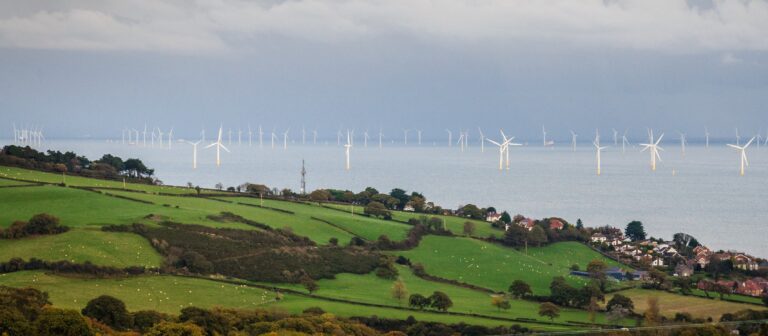
Recent developments in the National Grid are focused on integrating renewable energy sources such as wind and solar power. In 2022, renewable energy accounted for over 40% of the UK’s total electricity generation, with offshore wind alone providing a substantial portion. To manage this energy efficiently, the National Grid has been investing in advanced technologies, including more interconnected power lines and smart grid systems that optimise energy distribution and consumption.
In response to the increasing demand for electricity, especially during peak hours, the National Grid has also implemented demand-side response strategies. These measures involve adjusting consumers’ energy usage patterns to alleviate stress on the grid, ensuring a stable and efficient energy supply.
Challenges Facing the National Grid
Despite significant progress, the National Grid faces several challenges. One key issue is the ageing infrastructure, with portions of the grid requiring updates to meet modern efficiency and reliability standards. Additionally, as the country aims for a net-zero carbon future by 2050, integrating intermittent renewable sources while maintaining grid stability poses a complex challenge.
The threat of severe weather events exacerbated by climate change further complicates the situation, as they can disrupt electricity supply and infrastructure. The National Grid is actively working on resilience strategies to mitigate these risks.
Future Outlook
Looking ahead, the National Grid is set to evolve further with government and industry collaboration driving innovation. Investments in hydrogen technology and battery storage are on the horizon, promising to augment energy storage capacities and balance supply with demand. This is particularly crucial as electric vehicle adoption increases, potentially leading to volatile demand patterns.
Conclusion
The National Grid is not just a network of cables and pylons; it is the backbone of the UK’s energy system, pivotal for ensuring a consistent and sustainable energy future. As the nation navigates the challenges of climate change and energy demand, the ongoing upgrades and innovations to the National Grid will be vital in shaping the energy landscape. For consumers, the continued enhancement of this system promises greater reliability and potentially lower energy costs as efficiency improves.