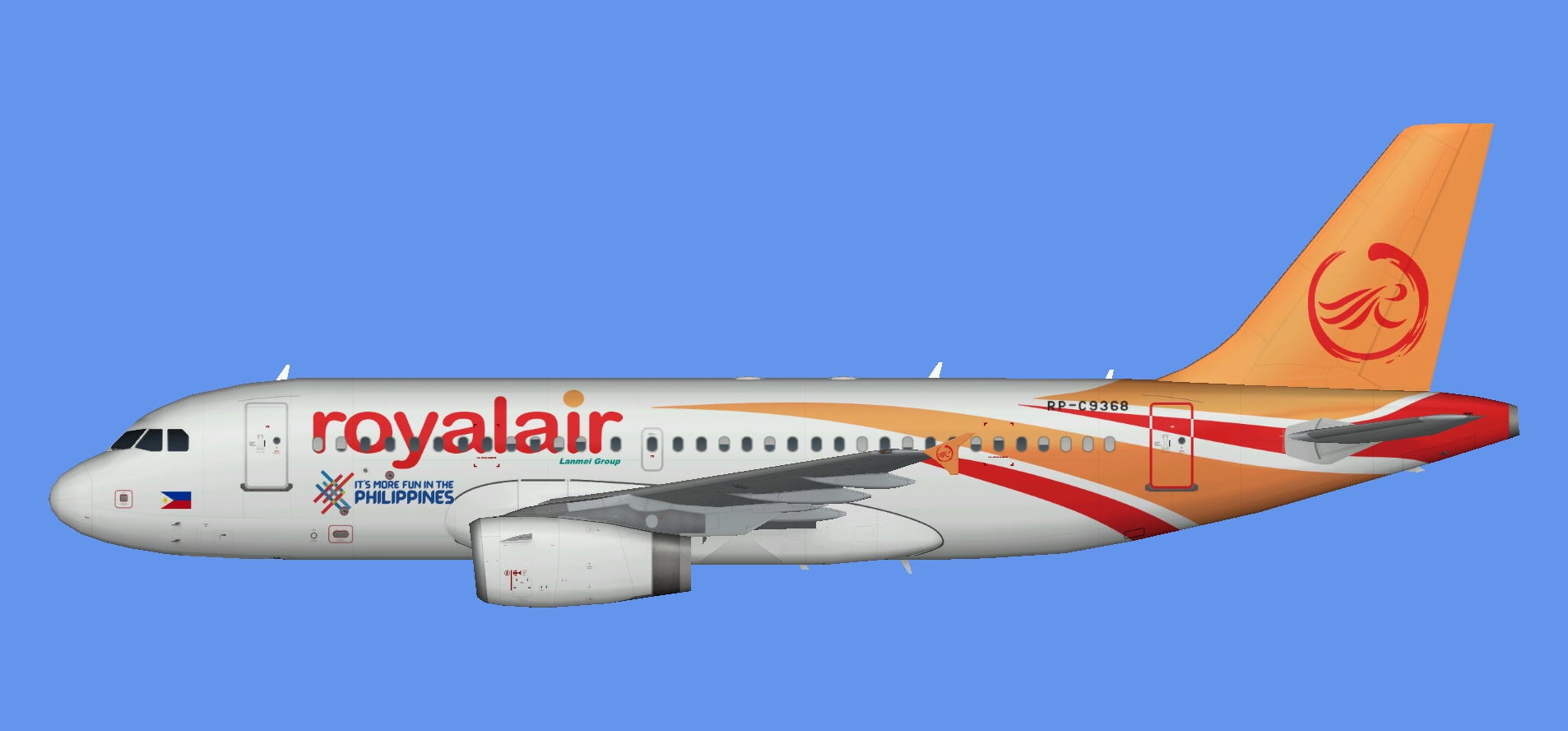
Introduction: The Significance of Royal Air Philippines Liquidation
The recent announcement regarding the liquidation of Royal Air Philippines has sent ripples through the aviation industry. This development reflects ongoing challenges faced by airlines globally in adapting to a post-pandemic landscape, making it a crucial topic for stakeholders and travellers alike.
Background: The Rise and Fall of Royal Air Philippines
Established to offer affordable air travel options, Royal Air Philippines was once considered a growing contender in the competitive Philippine aviation market. However, like many airlines, it struggled with financial sustainability due to increased operational costs, reduced travel demand during the pandemic, and a significant debt burden. According to reports, the airline’s financial troubles come as no surprise as it had previously announced temporary flight suspensions and had been in talks to restructure its liabilities.
The Liquidation Process
On October 12, 2023, Royal Air Philippines officially filed for liquidation, following any failed attempts to secure additional funding or partnerships that could have provided a lifeline. This process involves the selling of the airline’s assets, including aircraft and infrastructure, to satisfy creditors. Liquidation generally results in the cessation of all operations, leaving employees and passengers affected by the sudden closure.
Impact on Stakeholders
The implications of Royal Air’s liquidation extend to various stakeholders, including customers holding tickets, employees facing job losses, and investors left with potential financial repercussions. The Civil Aeronautics Board is advising passengers to seek refunds or credits from their travel agencies or directly from the airline, albeit the process may be complicated due to ongoing liquidation proceedings.
Conclusion: The Wider Implications for Aviation
The liquidation of Royal Air Philippines underscores deep-rooted issues facing the aviation sector in the Philippines and beyond, highlighting the need for innovation and resilience in the post-COVID-19 era. As airlines reassess their business models and focus on sustainability, analysts predict that we may see further consolidations and shifts in the market. For travellers, this situation serves as a cautionary tale to remain informed about the financial stability of airlines when making travel plans. The future of air travel in the region remains uncertain, but the lessons learned here will undoubtedly shape the industry moving forward.