Introduction
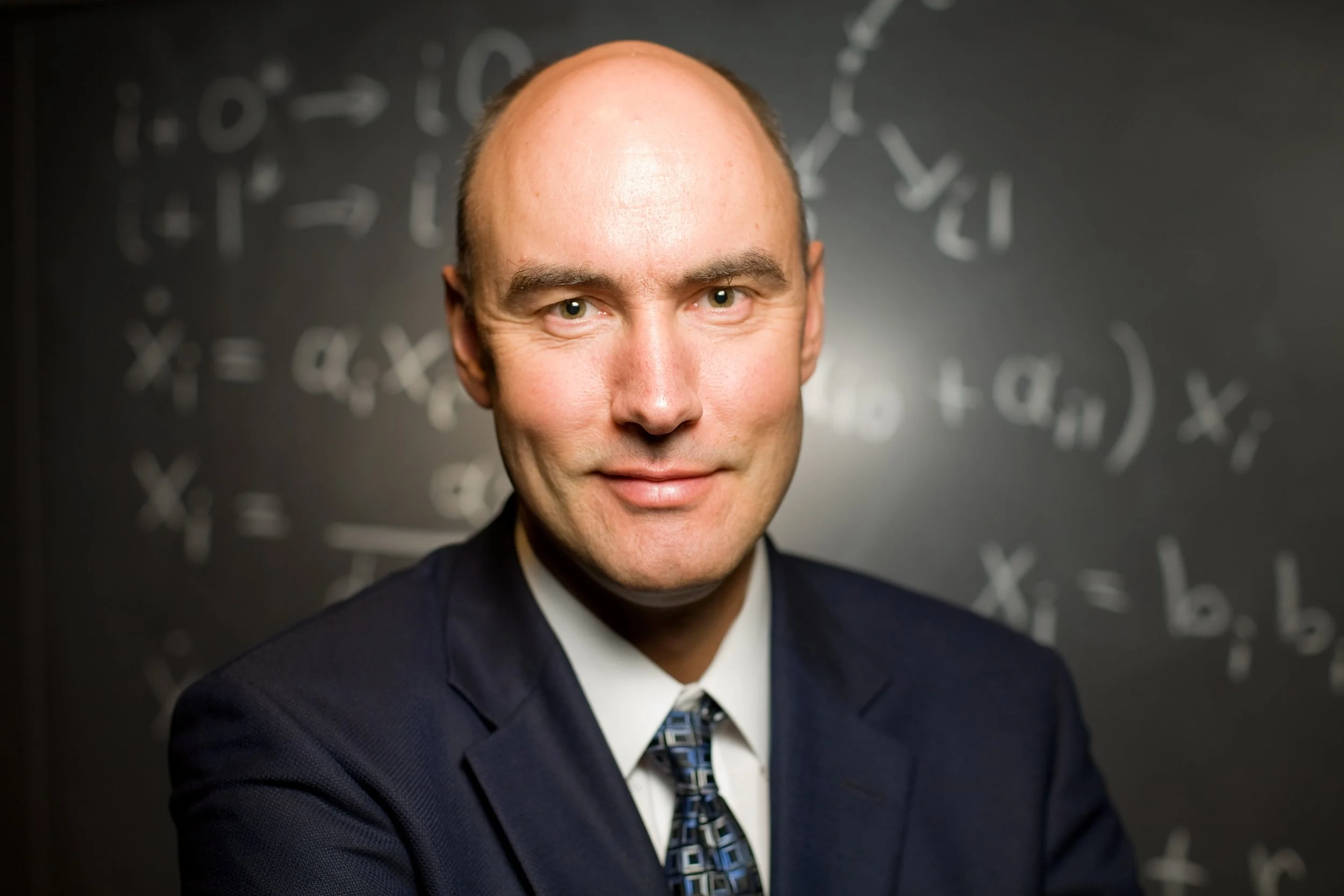
Martin Nowak, a renowned evolutionary biologist, has made substantial contributions to understanding the principles of evolutionary dynamics. His research has significant implications for various fields, including genetics, anthropology, and ecology. As global challenges such as climate change and pandemics illuminate the importance of evolutionary studies, Nowak’s work has become increasingly relevant in shaping our understanding of the natural world.
Main Contributions
Nowak, serving as a professor at Harvard University, is best known for his work on the mathematical underpinnings of evolution. His research focuses on how cooperation and competition among individuals can drive the evolution of species. Using mathematical models, Nowak has illustrated that cooperation can be a major evolutionary strategy despite the survival of the fittest theory, which traditionally emphasizes competition.
One of his notable publications, “Evolutionary Dynamics: Exploring the Equations of Life,” addresses how complex biological systems can emerge from simple rules. Furthermore, his work on the concept of ‘error threshold’ in viral evolution has provided valuable insights into the development of treatments for viral diseases, including HIV.
Recent Events and Discoveries
In the wake of the COVID-19 pandemic, Nowak’s research has taken on renewed significance. His analysis of viral evolution has offered a framework for understanding how viruses mutate and spread. Recent studies have drawn on his models to help predict the effectiveness of vaccines, making his work crucial to public health responses worldwide. Collaborative efforts with researchers from various disciplines have underscored the interdisciplinary nature of understanding evolution in real-world contexts.
Conclusion
As the interplay between organisms and their environment continues to evolve, Martin Nowak’s contributions to evolutionary dynamics remain vital to science. His work not only enhances our understanding of biological processes but also aids in addressing contemporary global challenges. The ongoing exploration of evolutionary strategies will likely play an essential role in future research, shaping policies and strategies across multiple domains, from healthcare to environmental conservation. Looking forward, the fusion of mathematics and biology as exemplified by Nowak’s work promises new horizons in comprehending the complexities of life on Earth.