Introduction
High car tax vehicles have become a significant talking point in the UK, especially with the government’s ongoing focus on environmental sustainability and revenue generation. The tax rates imposed on these vehicles are crucial as they influence consumer choices, affect the automotive market, and impact environmental policies.
What are High Car Tax Vehicles?
High car tax vehicles typically refer to those cars that fall into higher tax bands due to their CO2 emissions. In the UK, the Vehicle Excise Duty (VED) system classifies vehicles based on their emissions, which means that those emitting more CO2 face steeper annual taxes. Recent statistics indicate that vehicles with emissions over 200g/km can incur annual taxes upwards of £500, which is a substantial cost for owners.
Current Regulations and Changes
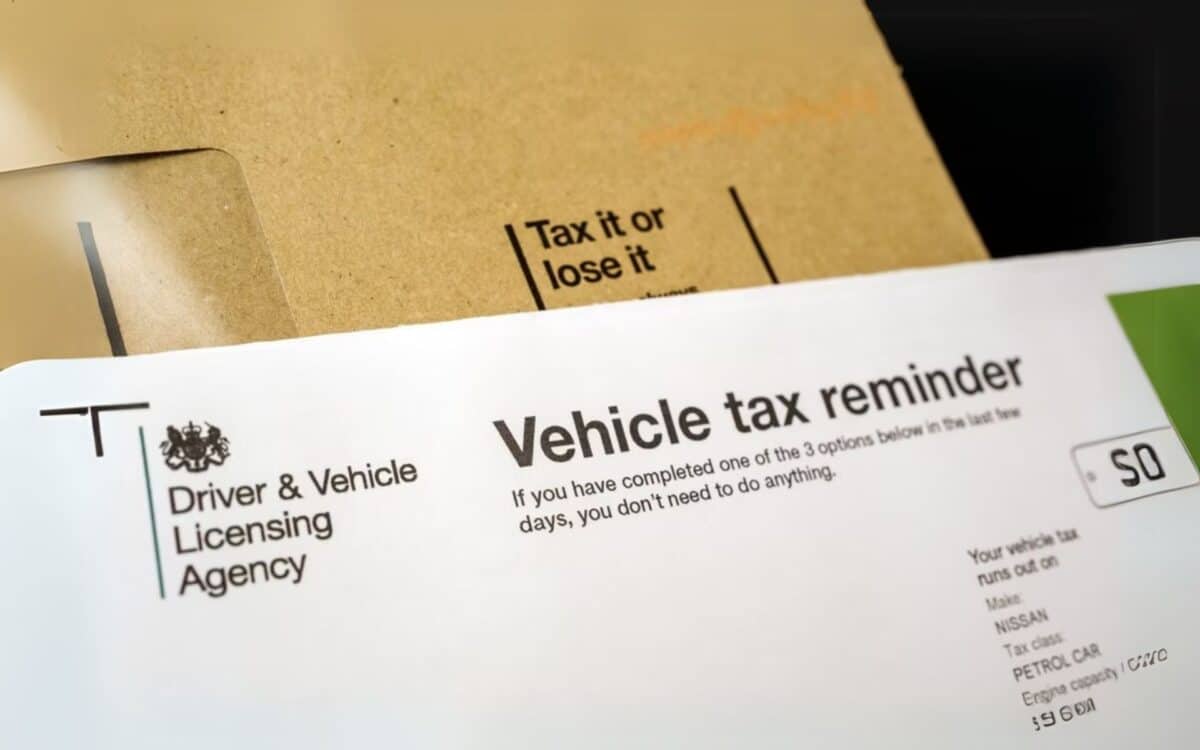
As of April 2023, the UK government has introduced tighter regulations aimed at reducing carbon emissions from vehicles on the road. Cars registered after this date are subject to new tax bands that significantly affect the costs associated with high-emission vehicles. According to the DVLA, categories for vehicles with emissions exceeding 200g/km have seen tax increases, with some luxury vehicles now costing their owners £2,000 in annual tax.
With the announcement of the UK’s goal to achieve net-zero carbon emissions by 2050, it is anticipated that these regulations will continue to evolve. The government may implement further increases in tax for high-emission vehicles, including changes to company car tax rates which impact businesses opting for such vehicles.
Effects on Consumers and Manufacturers
The implications for both consumers and manufacturers are substantial. Buyers of high car tax vehicles may reconsider their purchase due to the long-term financial impact. Market experts suggest that this shift could lead to increased demand for electric vehicles (EVs) and hybrids, as these typically fall into lower tax brackets or even receive tax incentives.
Automakers are also responding—many are now pivoting towards creating more electric and hybrid models to comply with environmental regulations and avoid penalties associated with high-emission vehicles. The latest data from the Society of Motor Manufacturers and Traders (SMMT) indicates a 30% increase in EV sales over the past year, clearly showing a trend borne out of these fiscal policies.
Conclusion
High car tax vehicles will likely continue to play a critical role in shaping the automotive landscape within the UK. As fiscal policies tighten, consumers may increasingly opt for more sustainable vehicles, which in turn could catalyse further developments in automotive technology. Readers are encouraged to stay informed about their choices when it comes to vehicle selection, as tax implications are becoming more pronounced. Being proactive about understanding these changes can lead to more responsible and cost-effective decisions.