The Importance of Cold Weather Awareness
As winter approaches, cold weather becomes a crucial topic of discussion across the United Kingdom. With temperatures dropping and unpredictable conditions becoming more common, understanding cold weather’s impact and how to prepare for it is essential for the safety and well-being of individuals and communities.
Recent Weather Trends
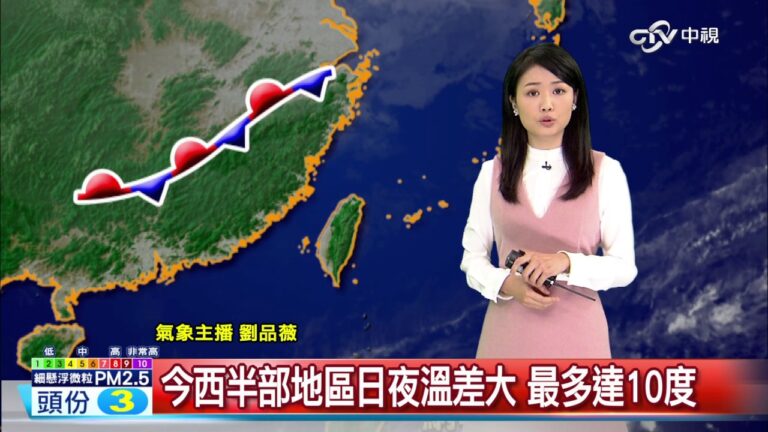
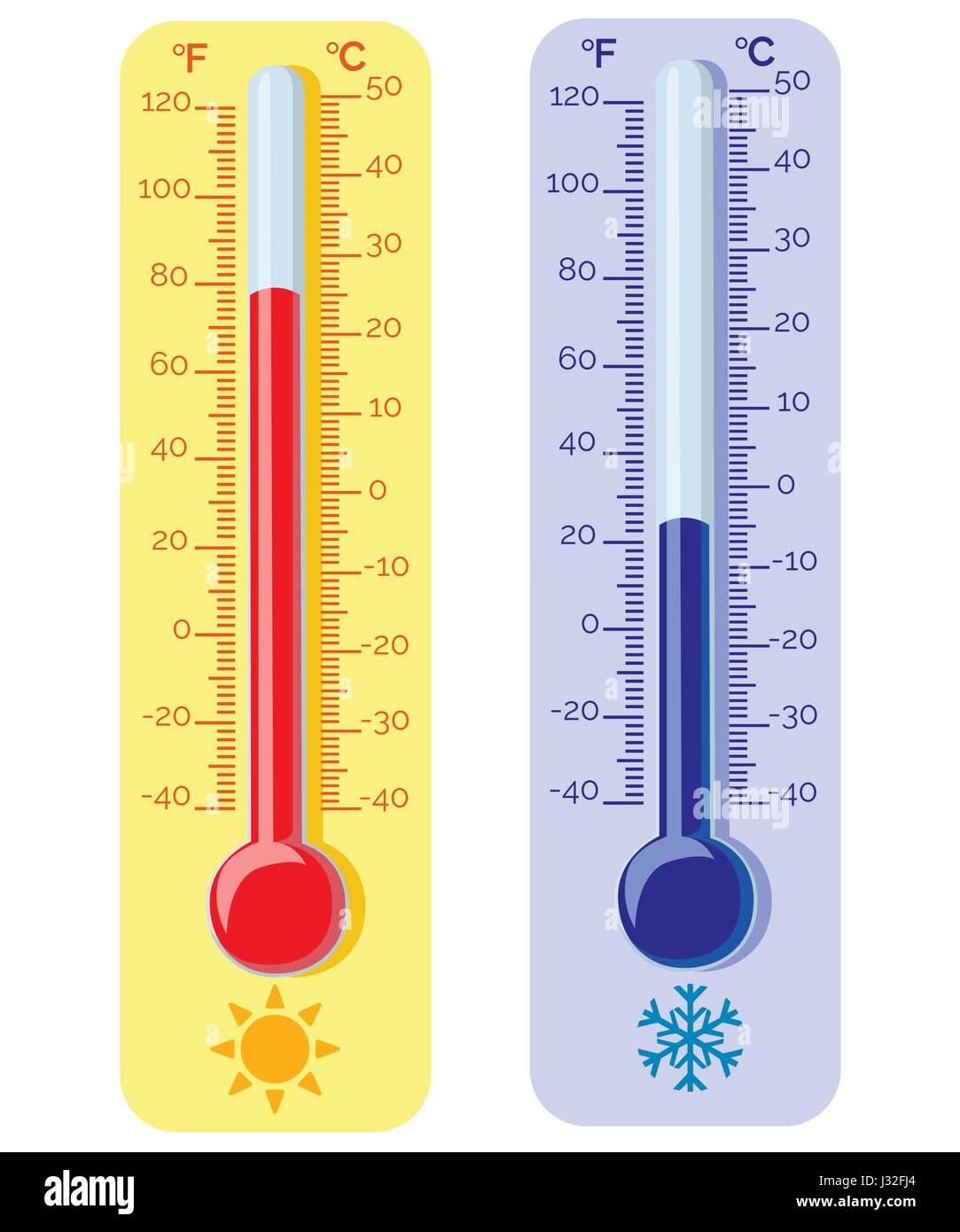
According to the Met Office, cold weather conditions have intensified in recent years, with fluctuations in temperature becoming more pronounced. In November 2023, parts of the UK experienced their coldest November nights in two decades, with temperatures plummeting to -5°C in some regions. The cold snap has led to increased household energy demands and a spike in heating costs, thereby affecting vulnerable populations, such as the elderly and those living in unsuitable housing.
Impacts on Health and Safety
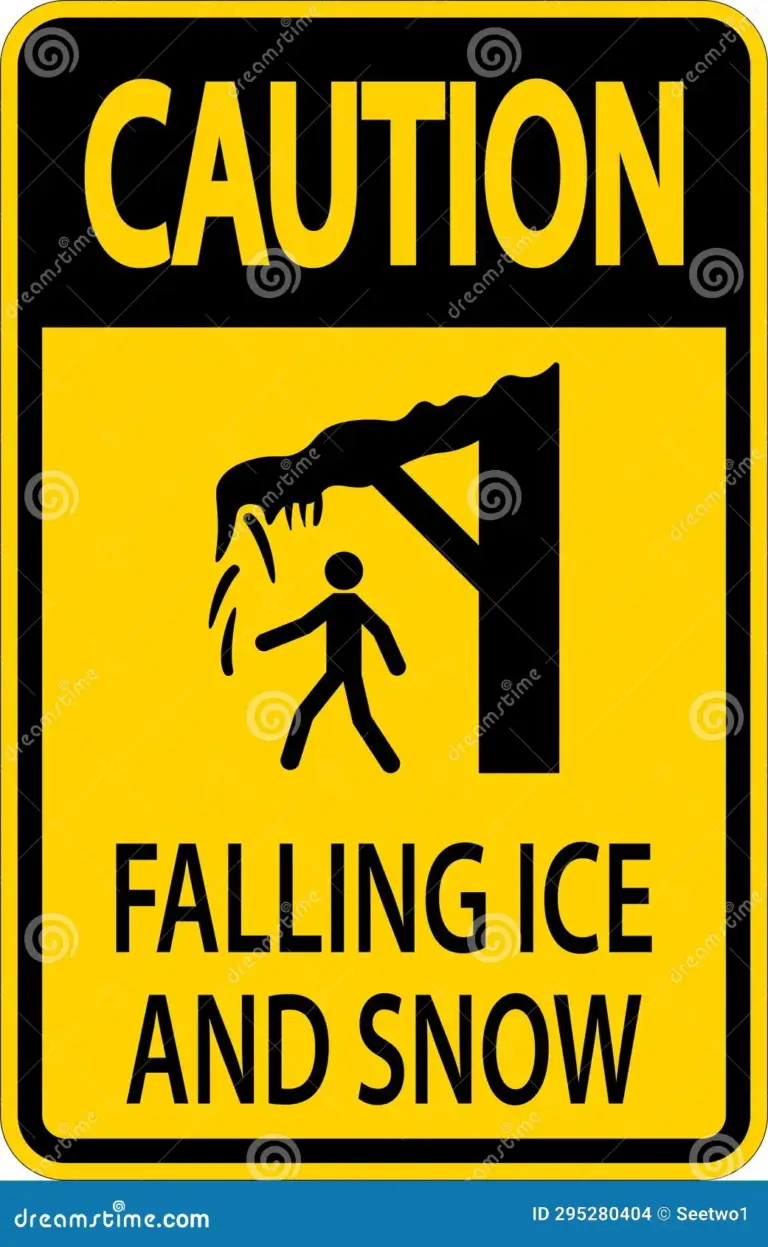
Cold weather poses significant health risks. The National Health Service (NHS) warns that exposure to cold temperatures can lead to serious health issues, including hypothermia, frostbite, and exacerbation of pre-existing medical conditions. Additionally, there has been an uptick in winter-related accidents on icy pavements, necessitating increased caution among pedestrians. Public health officials are urging communities to check on their neighbours, especially the elderly, who may be more at risk during the colder months.
Preparation and Response
In response to the increasing severity of cold weather, local authorities have implemented several measures aimed at assisting residents. Councils are mobilising ‘winter readiness’ programmes that include salting roads, clearing pavements, and ensuring that emergency services are prepared for increased demand during cold spells. Furthermore, community outreach initiatives are being launched to provide heating subsidies and emergency housing for those in need.
Individuals can also take steps to prepare for cold weather. Ensuring homes are winter-proofed, keeping an emergency kit on hand, and understanding how to dress warmly can dramatically reduce the risks associated with the cold. The advice from weather experts includes wrapping up in layers, using thermal wear, and limiting exposure to the elements where possible.
Conclusion: The Urgency of Preparedness
Cold weather poses distinct challenges that require attention at both individual and community levels. As temperatures continue to drop, public health officials and local authorities stress the importance of being prepared. With ongoing climate instability, focusing on proactive measures and community support can help mitigate the potential impacts of cold weather. As winter sets in, being aware and prepared is not just a personal responsibility but a community imperative.