









Introduction
New Guinea, the world’s second-largest island, holds immense cultural and ecological significance. It serves as a treasure trove of biodiversity, claiming a large portion of the diverse flora and fauna on our planet. The complexity of its cultures and the intricate tapestry of its ecosystems make New Guinea a vital area of study for anthropologists and ecologists alike.
Cultural Diversity
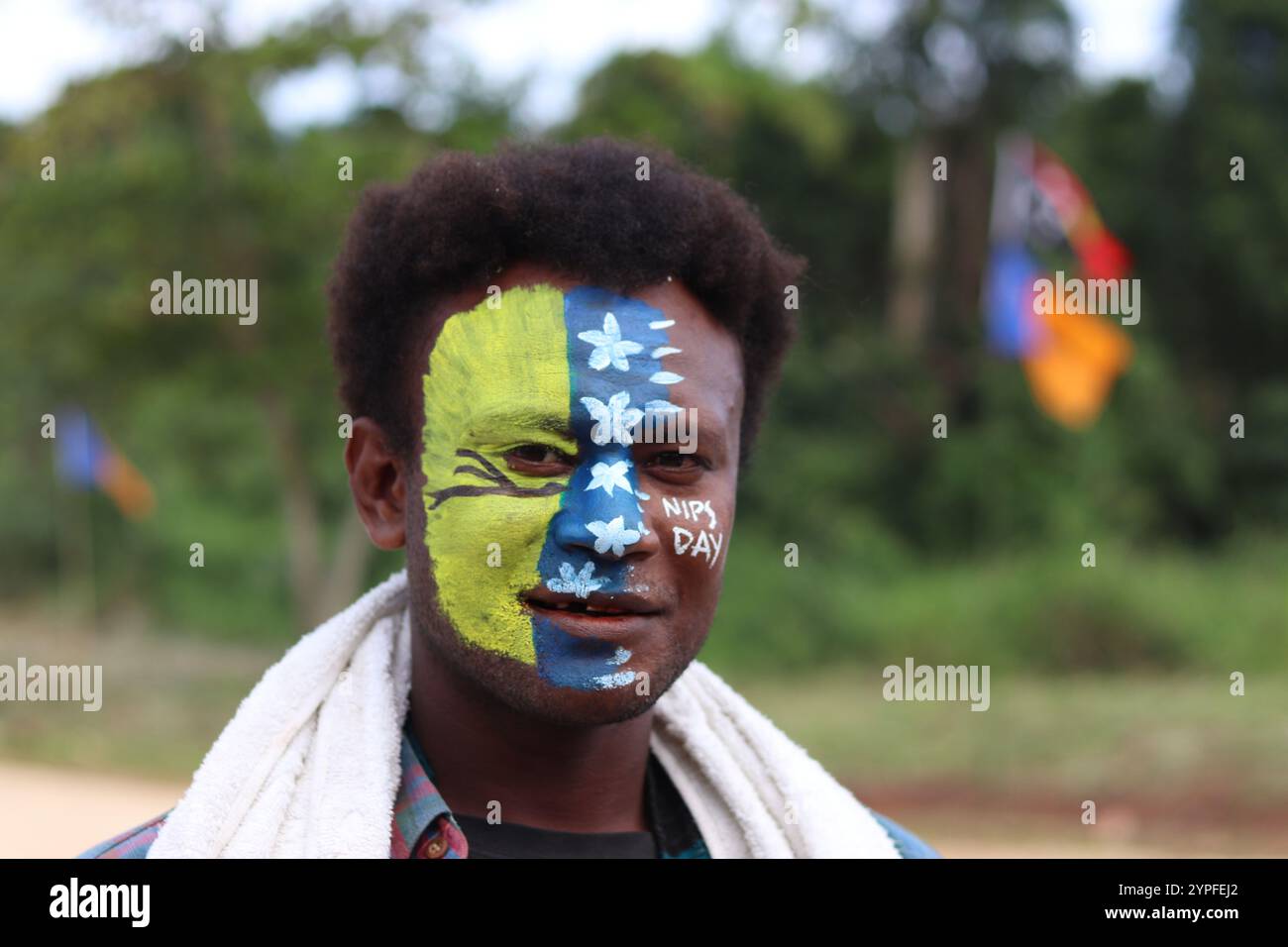
The island is home to more than 800 indigenous languages, making it one of the most linguistically diverse regions in the world. Each community has its own unique customs, traditions, and beliefs. The cultures range from the vibrant ceremonies of the highland tribes to the coastal fishing villages, each showcasing rich art forms, music, and dance. Recent cultural festivals have drawn attention, celebrating the island’s vast heritage, with events showcasing traditional music and rites attracting both domestic and international tourists.
Biodiversity and Conservation Efforts
The natural wealth of New Guinea extends beyond its cultures. The island boasts some of the most extraordinary biodiversity, featuring unique species such as the Bird of Paradise and the cassowary. Its rainforests play a critical role in global ecology and are known for their high levels of endemism, where many plants and animals cannot be found anywhere else on Earth.
However, these ecosystems face threats from logging, mining, and agriculture, leading to significant habitat loss. Conservation groups are actively working in collaboration with local communities to promote sustainable practices. The establishment of protected areas and national parks, such as the Lorentz National Park, is vital for preserving these irreplaceable ecosystems for future generations.
Current Events and Challenges
Recently, New Guinea has gained international attention due to its geopolitical importance. As Australia’s closest neighbour, the dynamics between Papua New Guinea and its neighbours are crucial amidst the strategic concerns voiced within the Indo-Pacific region. Efforts to enhance local governance and infrastructure are underway; however, challenges such as poverty and political instability remain prevalent. Furthermore, the struggle to balance economic development with environmental sustainability continues to be a pressing issue.
Conclusion
New Guinea represents a significant intersection of culture, ecology, and geopolitical importance. As the world increasingly turns to traditional ways of living and biodiversity conservation, the value of New Guinea cannot be overstated. Its rich heritage and natural resources are still under threat, making it imperative for both local and global communities to work together to protect this unique island paradise for generations to come.