Introduction
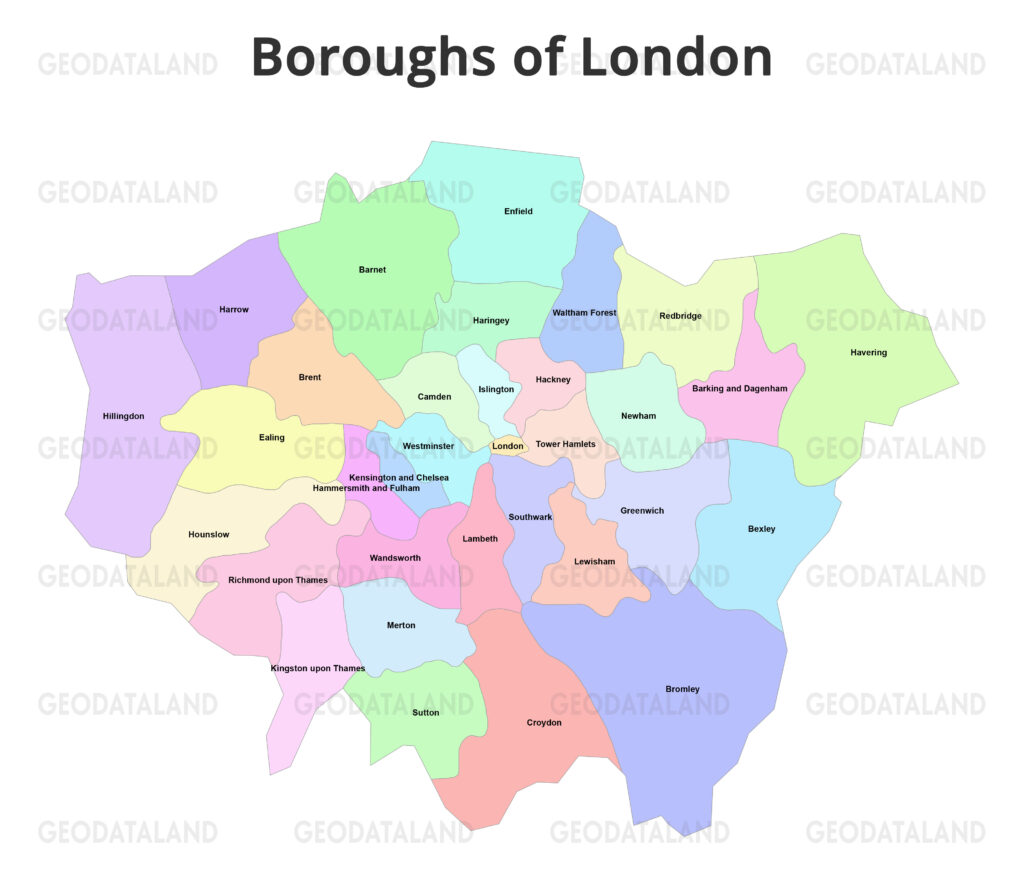
The London boroughs, comprising 32 distinct local authority areas plus the City of London, are integral to the capital’s governance and identity. Each borough is a unique blend of history, culture, and community, making London one of the most diverse cities in the world. Understanding these boroughs is essential for grasping the complexities of London life, as they each contribute uniquely to the city’s socio-economic landscape.
Overview of the London Boroughs
Each of the 32 London boroughs operates as an individual administrative unit, with its own council responsible for various local services. From the richly historic borough of Westminster, home to iconic landmarks such as Buckingham Palace and the Houses of Parliament, to the vibrant multicultural Borough of Hackney, the diversity in demographics, culture, and character among these boroughs is remarkable.
According to the latest data from the Office for National Statistics, London’s boroughs show a vast range of ethnicities and socio-economic conditions. For instance, Newham is noted for its high percentage of residents from ethnic minority backgrounds, whereas Richmond upon Thames is characterised by its affluence and green spaces. This stark contrast highlights the extraordinary multicultural nature of London.
Recent Developments and Events
Recent years have seen significant developments within many London boroughs, particularly in the face of the COVID-19 pandemic. Borough councils have been at the forefront of response efforts, providing support services and local initiatives to assist communities during these challenging times. For example, Tower Hamlets launched a food support initiative that has served thousands of vulnerable residents.
Additionally, the London Boroughs are actively engaging in housing and regeneration projects aimed at improving infrastructure and community wellbeing. The Mayor of London has set ambitious targets for affordable housing across boroughs, which is particularly urgent given the city’s ongoing housing crisis.
Conclusion
The London boroughs are not merely administrative units but vibrant communities that reflect the diverse tapestry of London. As urban challenges evolve, including the pressing issues of housing and public health, the importance of these boroughs will only continue to grow. Engaging with and understanding the dynamics within each borough can provide valuable insights into the trends shaping London today.
For residents and visitors alike, exploring the London boroughs can enhance one’s appreciation for the city, its rich history, and the varied cultures that coexist within it. As we move forward, the adaptability and resilience demonstrated by these boroughs will be crucial in addressing future challenges and ensuring a thriving London.