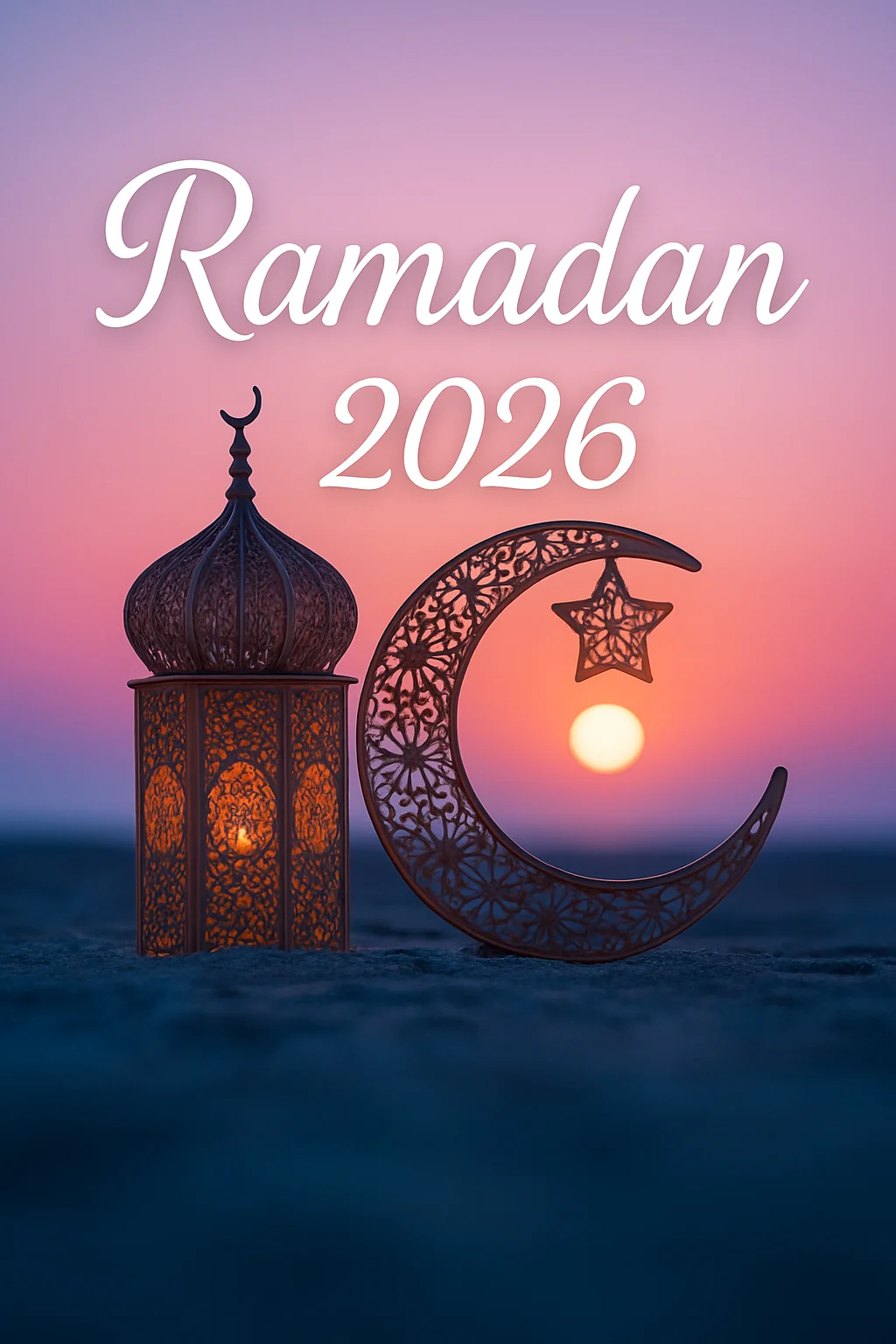
Understanding Ramadan
Ramadan holds immense significance in the Islamic calendar, serving as a month of fasting, prayer, reflection, and community. Observed by millions of Muslims worldwide, it commemorates the month when the Quran was revealed to the Prophet Muhammad. The timing of Ramadan shifts annually since it is determined by the lunar calendar, moving approximately 10 to 12 days earlier each year.
When is Ramadan 2026?
In 2026, Ramadan is expected to begin on the evening of February 17, and will conclude with Eid al-Fitr celebrations on approximately March 18, contingent upon sighting the moon.
Ramadan Practices and Observances
During Ramadan, Muslims fast from dawn until sunset, refraining from eating and drinking during daylight hours. This is seen not just as a physical discipline but as a spiritual exercise that fosters empathy for the less fortunate, encourages community bonding, and enhances self-discipline. The pre-dawn meal is known as ‘Suhoor’ and the meal to break the fast at sunset is known as ‘Iftar’, which often involves sharing meals with family and friends.
Significance of Ramadan in 2026
The Ramadan of 2026 will be particularly meaningful as it follows April 2025’s observance during a time of global recovery from the COVID-19 pandemic. Many in the Muslim community look forward to celebrating more openly and with greater communal activities, having faced restrictions in previous years. It is a time for renewal of faith, cultural exchange, and humanitarian efforts.
Conclusion
Ramadan demonstrates unity among Muslims worldwide, fostering a collective spirit of faith and compassion. As the year 2026 approaches, spiritual leaders and communities can prepare for meaningful observances. Understanding the timing and significance of this month aids in fostering dialogue and engagement across diverse societies, ensuring the values of Ramadan resonate beyond the Muslim community.