Introduction
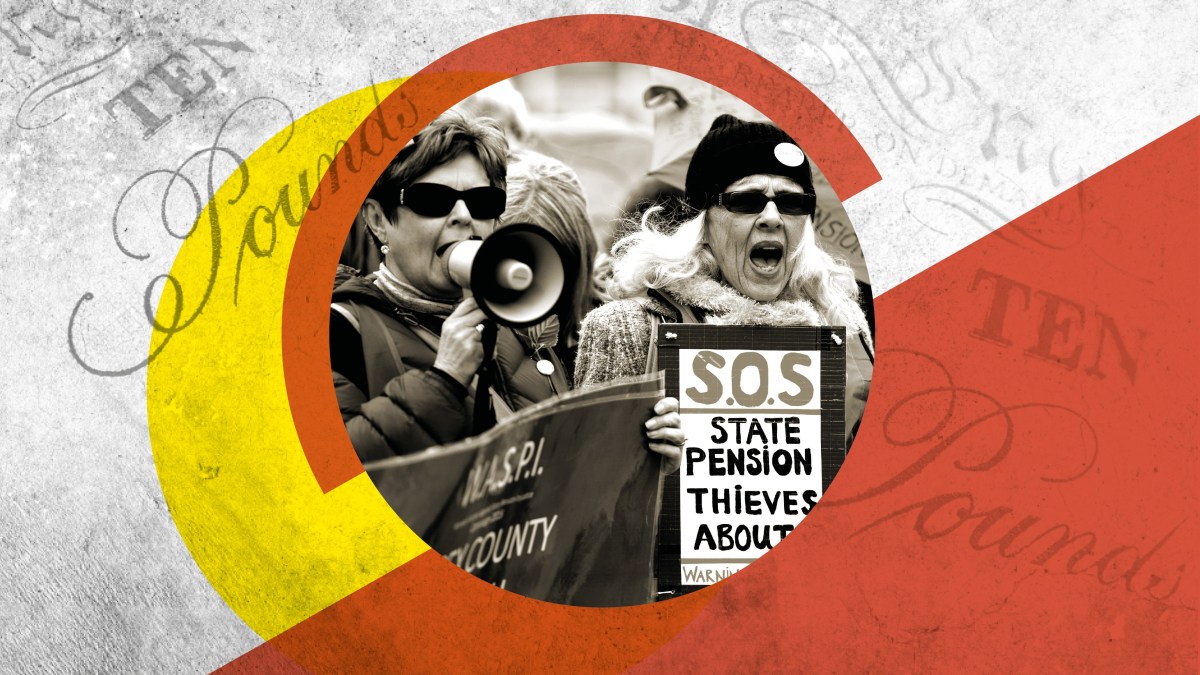
The Women Against State Pension Inequality (WASPI) movement has brought significant attention to the issues surrounding pension reforms in the UK. With an estimated 3.8 million women born in the 1950s facing financial hardships due to changes in the state pension age, the call for compensation has gained traction. This situation not only highlights the challenges faced by these women but also raises broader questions regarding fairness and equality in pension policies.
The Background of the Issue
In 1995, the UK government introduced changes to the state pension age, gradually increasing it from 60 to 66 for women. Many women affected by this reform were not adequately informed about the changes and had made financial plans based on the original retirement age. As a result, they have faced unexpected financial difficulties as they approach or enter retirement age without the expected pension income. The WASPI campaign aims to address these grievances.
Recent Developments
In recent months, there have been several notable developments regarding the WASPI women’s pension compensation. In October 2023, the Parliamentary Women and Equalities Committee released a report recommending that the government offer compensation to those affected by the sudden rise in the qualifying age. While the government has not yet committed to implementing these recommendations, the report has reinvigorated discussions around this contentious issue.
Additionally, various legal challenges have been mounted against the government, with WASPI representatives seeking judicial review regarding the discriminatory effects of these pension changes. Although the outcomes of these legal actions remain uncertain, they reflect the growing frustration among WASPI women and their allies concerning pension reform policies.
Community and Political Support
The WASPI movement has garnered substantial support from both public and political figures. Many MPs have voiced support for the WASPI women, advocating for reconsideration of compensation proposals. Grassroots movements continue to engage with local communities, highlighting stories from women whose lives have been significantly affected by the policy changes, thereby building momentum for further action.
Conclusion
The quest for WASPI women’s pension compensation remains a pressing issue in the UK, with recent developments paving the way for potential governmental action. As calls for justice grow louder and legal avenues are explored, it is clear that this matter holds importance not only for the women directly involved but also for future pension legislation. Authorities are under increasing pressure to ensure that pension reforms are fair and transparent, preventing similar injustices from occurring in the future.