Introduction
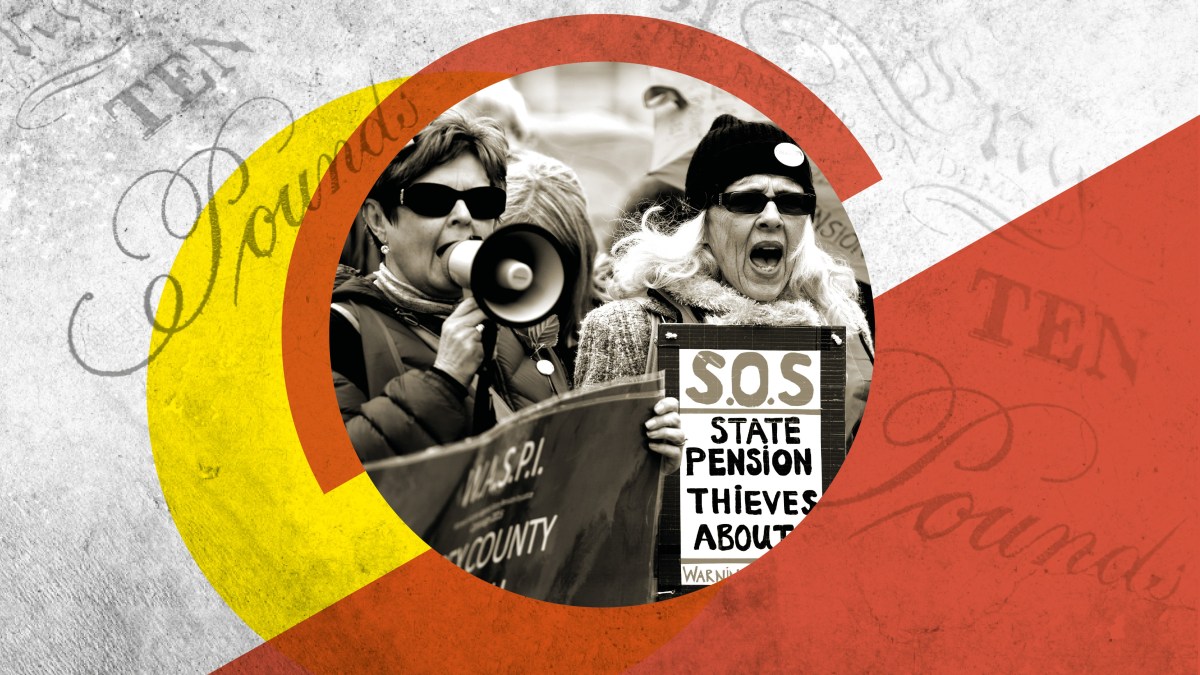
The WASPI (Women Against State Pension Inequality) campaign has become a focal point of discussion in the United Kingdom regarding women’s pensions. Founded in 2015, the campaign highlights the adverse impact that changes to women’s pension ages have had, particularly on those born in the 1950s. The importance of WASPI lies not only in its call for justice and fairness but also in its broader implications for gender equality and financial security for older women.
Background of the Pension Changes
In 1995, the UK government announced changes to the state pension age, which effectively increased the age at which women could claim their pension from 60 to 66 by 2020. Many women who were approaching retirement were given little notice of these changes, resulting in significant financial and emotional distress. The WASPI campaign argues that these changes were implemented unfairly and without adequate communication or support for those affected.
Recent Developments
As of 2023, the WASPI campaign continues to press for recognition and compensation for the estimated 3.8 million women affected by the pension age changes. Recent parliamentary debates have seen increasing support for the cause, with several MPs acknowledging the injustices faced by WASPI women. A series of petitions have also gained traction, calling for the government to address the inequalities and provide financial support to those impacted.
Impact of the Campaign
The WASPI movement has not only raised awareness of pension inequalities but also sparked discussions about broader topics such as retirement planning, savings, and the need for a more robust safety net for older individuals, especially women. By highlighting these issues, the campaign has positioned itself as a critical voice in the ongoing fight for gender equality in financial matters.
Conclusion
In conclusion, the WASPI campaign represents a significant moment in the conversation around women’s pensions in the UK. The efforts of those involved underline the necessity for fair treatment and compensation for all citizens, especially vulnerable groups. As the campaign progresses, its outcomes will likely influence future policies regarding pensions and social security, paving the way for a more equitable financial landscape for women nearing retirement. Stakeholders and policymakers must heed these developments to ensure that the lessons learned from the WASPI experience lead to meaningful change.