Introduction
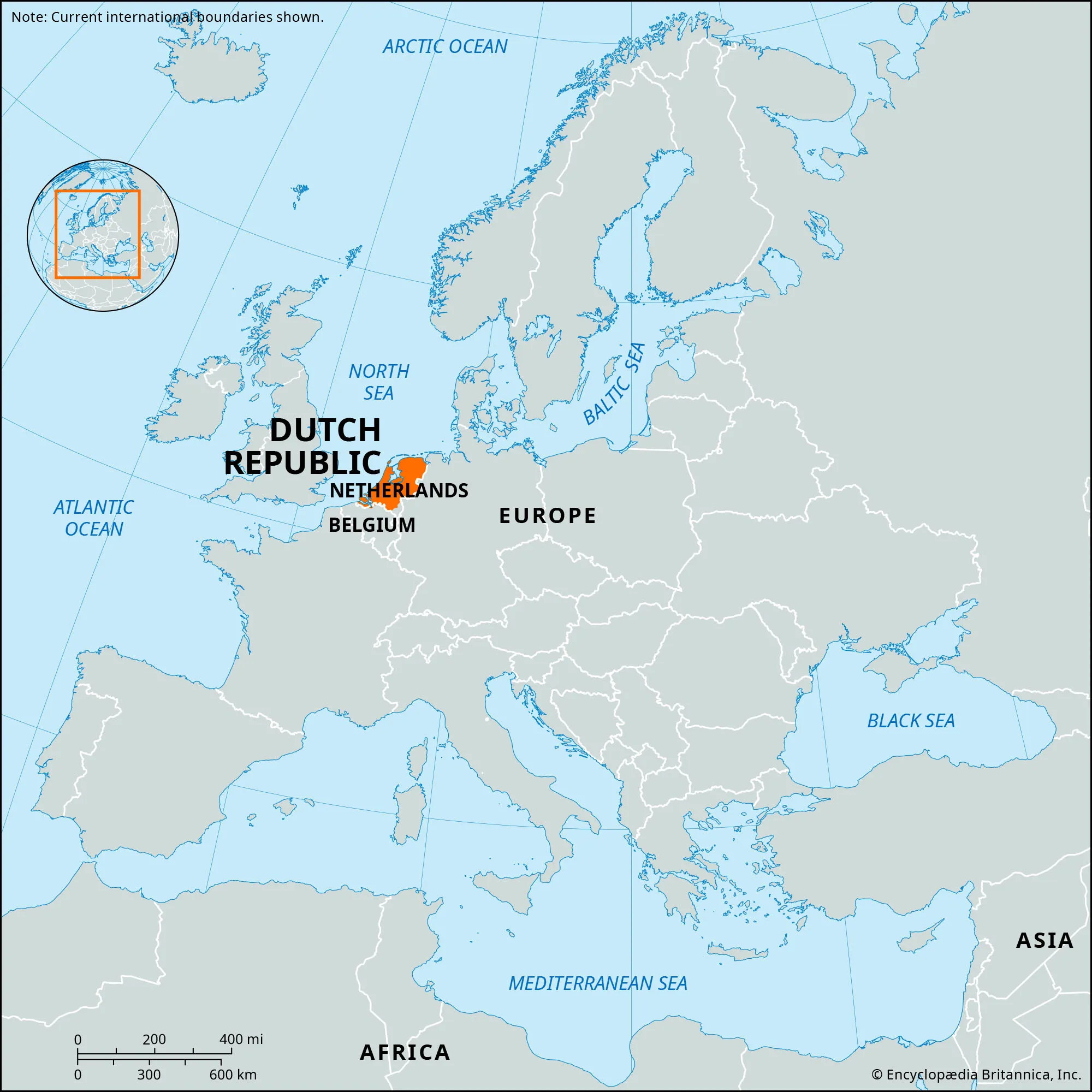
Utrecht, the fourth largest city in the Netherlands, is increasingly becoming a focal point for tourists and locals alike due to its rich history, cultural heritage, and vibrant urban life. Located in the heart of the country, Utrecht serves as a vital connection hub and has long been an important centre of trade, education, and governance. The city’s magnificence shines through its medieval architecture, picturesque canals, and a thriving arts scene, making it one of the must-visit destinations in Europe.
Historic Significance
Founded as a Roman fort around AD 50, Utrecht possesses a history that stretches back over two millennia. The city’s most iconic structure, the Dom Tower, is the tallest church tower in the Netherlands and dates back to the 14th century. Visitors can explore the impressive Gothic architecture that marks many of Utrecht’s churches and buildings, reflecting its historical significance. The city’s unique canal system, with its wharf cellars converted into cafes and shops, is another highlight, setting it apart from other Dutch cities. Recently, renovation and conservation efforts have aimed at preserving these historical sites, ensuring they remain intact for future generations.
Cultural Vibrancy
Utrecht is home to several prestigious educational institutions, including Utrecht University, which is among the largest in the Netherlands. The city boasts a vibrant student population that contributes to its active arts and cultural scene. In recent years, Utrecht has gained recognition as a cultural capital, hosting numerous festivals that celebrate film, music, and literature. The annual Utrecht Science Park Festival, for instance, showcases innovation and creativity in science and technology. Many museums and galleries, such as the Centraal Museum and the Railway Museum, continue to attract attention, drawing visitors interested in the city’s rich artistic legacy.
Future Prospects
The city is set to undergo further development as it strives to maintain its charm while modernising its infrastructure. Urban planning initiatives are focused on sustainability and enhancing public transport, ensuring the city remains accessible while promoting eco-friendly practices. With ongoing investments in arts and culture, Utrecht is poised to solidify its status as a cultural beacon within Europe. As tourism continues to soar, local businesses are adapting to cater to oncoming visitors, hoping to foster a friendly and vibrant atmosphere.
Conclusion
Utrecht’s blend of historical significance and modern vibrancy makes it an increasingly vital player on the European stage. As it continues to evolve, it is essential to preserve its cultural heritage while embracing contemporary advancements. For those looking to experience a slice of Netherlands’ history fused with a lively modern spirit, Utrecht stands out as a premier destination.