






Introduction
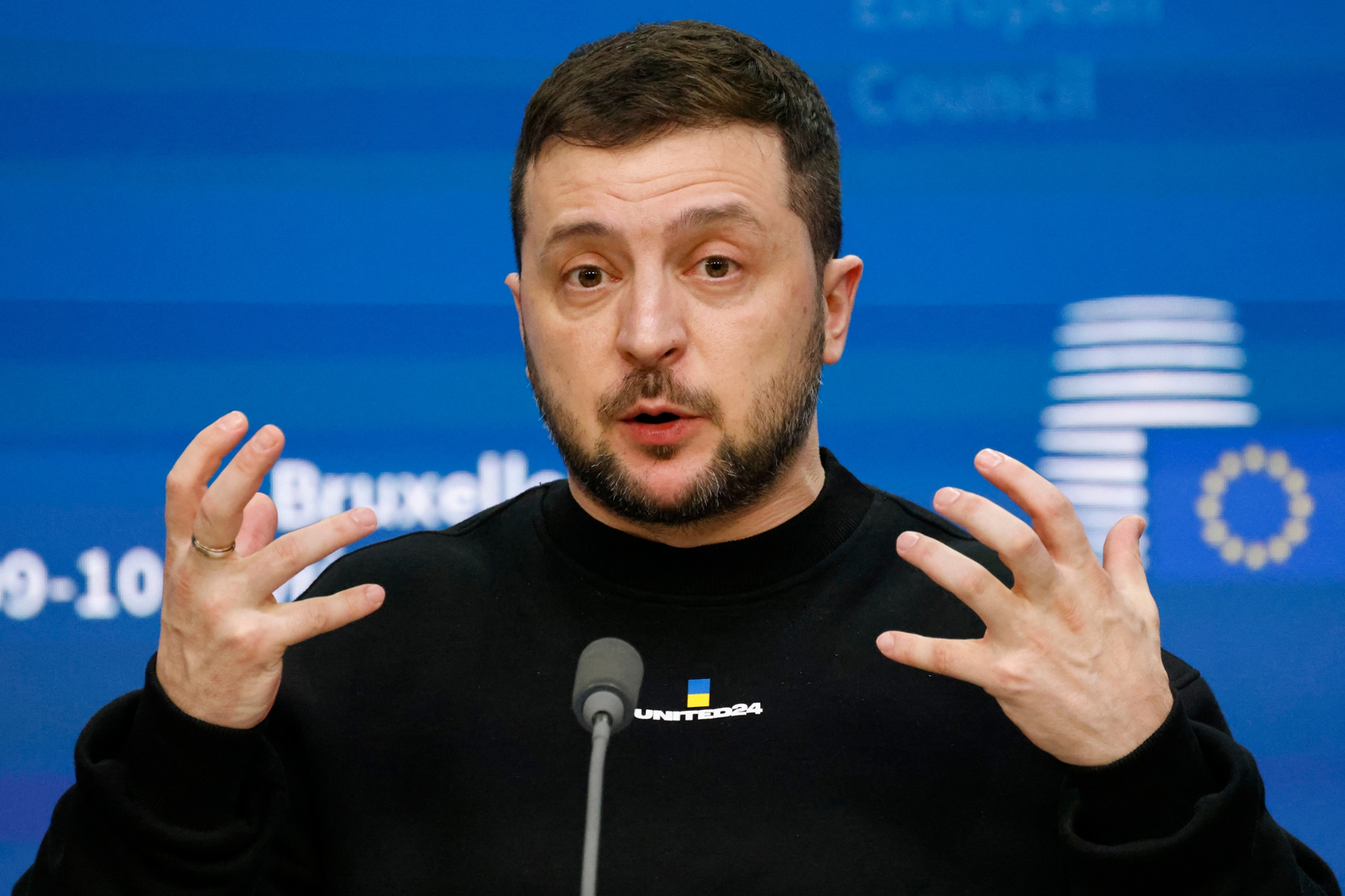
The leadership of Volodymyr Zelensky, the President of Ukraine, has become a focal point of international attention since the outbreak of the conflict with Russia in 2022. Zelensky’s approach to governance and crisis management has implications not only for Ukraine’s future but also for global geopolitics. His ability to navigate through adversity resonates with many leaders worldwide, making his actions highly relevant in today’s political landscape.
Zelensky’s Response to the Crisis
Since the escalation of conflict in February 2022, Zelensky has taken on the role of a wartime leader. He delivered powerful speeches, often via video link, rallying both Ukrainian citizens and international allies. His communication skills helped to garner considerable support, as he effectively utilised social media to connect with global audiences.
In recent months, Zelensky has been leading historical military engagements and alliances aimed at repelling aggression from Russia. His decision to seek military aid from Western nations has resulted in substantial support, including advanced weaponry that has allegedly turned the tide in various battles across the country.
Domestic Challenges
Despite these international praises, Zelensky faces numerous domestic challenges. The ongoing conflict has strained Ukraine’s economy and infrastructure. Reports indicate that corruption remains a significant issue within the government structures, complicating the trust between citizens and the state. To combat this, Zelensky has pushed for reforms aimed at increasing transparency and accountability among government officials.
International Relations and Future Prospects
Globally, Zelensky’s efforts to solidify Ukraine’s position within international frameworks have led to promising developments. His administration is actively seeking EU membership, an effort that symbolizes Ukraine’s commitment to democratic values and market reforms. Recent discussions at forums like the NATO summit have also opened doors for further military cooperation and potential future membership.
Conclusion
As the situation in Ukraine continues to evolve, Zelensky’s leadership will undoubtedly play a crucial role. His ability to maintain national unity while navigating both national and international pressures illustrates the complexities of his presidency. Moving forward, the outcomes of his leadership style and decisions will not only shape Ukraine’s immediate future but also influence the geopolitical landscape on a broader scale. International observers will be keenly watching how Zelensky balances these challenges as he aims to secure a stable and prosperous future for Ukraine.