Introduction
Sardinia, the second-largest island in the Mediterranean Sea, is renowned for its stunning coastlines, crystal-clear waters, and rich cultural heritage. Recently, Sardinia has gained attention not only as a holiday destination but also as a region that blends natural beauty with historical significance. As allure for tourists grows, the island becomes increasingly relevant in global travel discussions.
Geographical and Cultural Significance
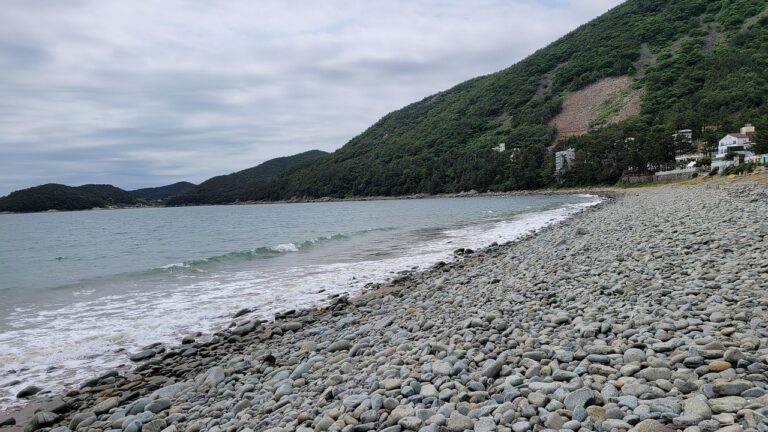
Sardinia offers diverse landscapes, including rugged mountains, enchanting beaches, and unique rock formations, making it a paradise for nature lovers. The island’s varied terrain supports a wide range of outdoor activities, from hiking and cycling to water sports. Beyond its landscapes, Sardinia boasts a vibrant cultural scene, encapsulated in its traditional music, festivals, and unique culinary offerings, such as seafood dishes and local wines.
Tourism Highlights
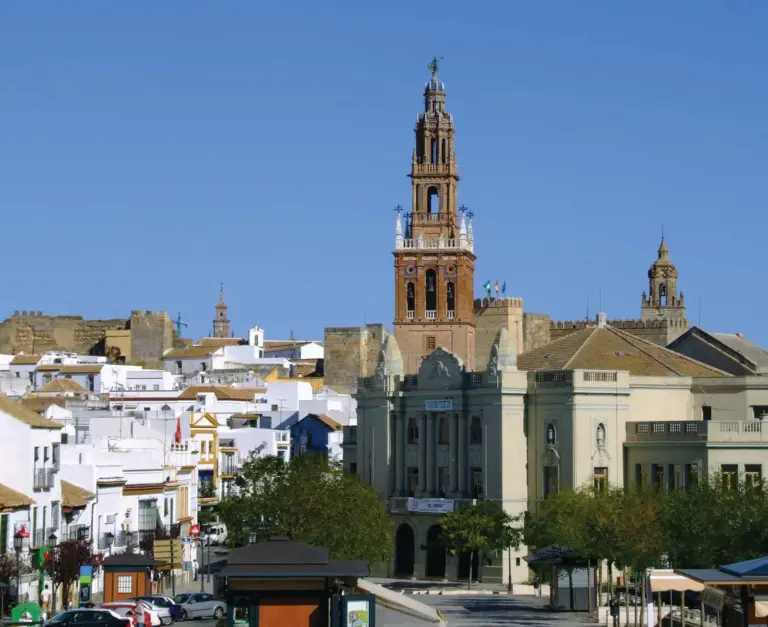
Recent reports highlight that tourism in Sardinia has been recovering strongly post-pandemic, with a recorded increase in visitors compared to previous years. Key attractions include the Emerald Coast (Costa Smeralda), known for its upscale resorts and nightlife, and the ancient ruins scattered throughout the island, such as the Nuraghe complex – a UNESCO World Heritage site. Additionally, towns like Alghero and Cagliari offer historic architecture and lively markets, enhancing the island’s charm.
Environmental Concerns
Despite its beauty, the increasing number of tourists raises sustainability concerns. Local authorities are being urged to implement strategies to manage visitor numbers and protect Sardinia’s natural environment. This includes promoting eco-friendly tourism practices and informing visitors about the island’s ecological importance.
Conclusion
Sardinia is poised to continue its rise as a prominent Mediterranean destination. With an abundance of natural wonders and a deep-rooted cultural heritage, the island offers something for every traveller. As awareness around sustainability increases, it is crucial to balance tourism growth with conservation efforts. Sardinia is not just a place to visit; it is a destination to experience and protect for future generations.