









Introduction: Why Aspirin Matters
Aspirin, a widely used medication, is renowned not only for its pain-relieving properties but also for its roles in preventing heart attacks and strokes. As a staple in medicine cabinets globally, understanding aspirin’s benefits, risks, and recent advancements is particularly relevant given the ongoing discussions about cardiovascular health and pain management.
The Multifaceted Uses of Aspirin
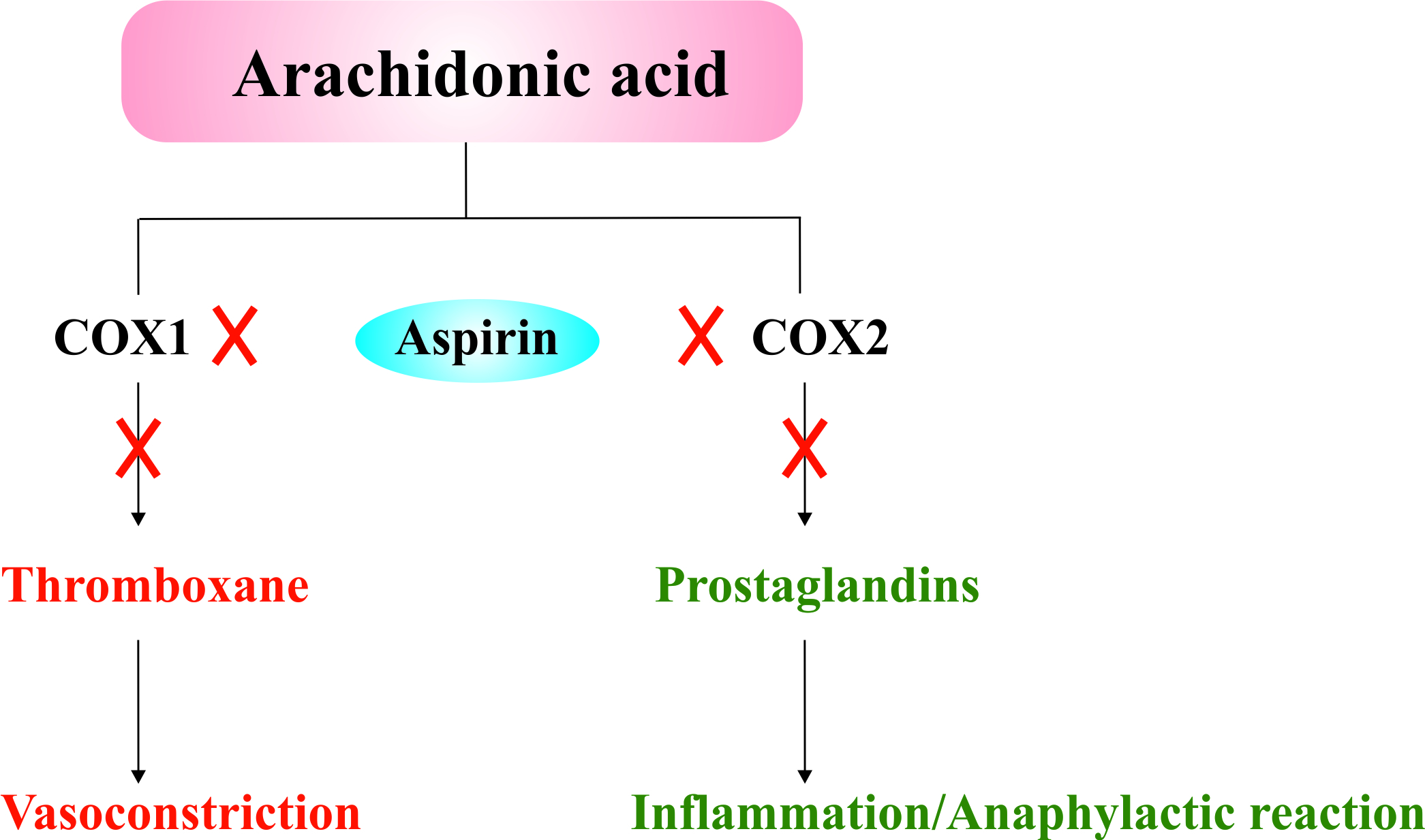
Originally derived from willow bark, aspirin (acetylsalicylic acid) has been used since the 19th century. Today, it remains one of the most prescribed drugs worldwide. Aspirin is primarily known for:
- Analgesic Effects: It effectively alleviates mild to moderate pain, such as headaches, muscle aches, and menstrual discomfort.
- Anti-inflammatory Properties: Aspirin is commonly prescribed for inflammatory conditions like arthritis, helping to reduce swelling and pain.
- Cardiovascular Protection: Low-dose aspirin is frequently recommended to patients at risk of cardiovascular events, as it prevents blood clots from forming, thus reducing the risk of heart attacks and strokes.
Recent Developments and Research
Recent studies have continued to highlight the effectiveness of aspirin in various therapeutic areas. For instance, a study published in the New England Journal of Medicine in 2023 suggested that aspirin may help reduce the risk of colorectal cancer recurrence in patients who have undergone surgery. However, researchers also warned about the potential risks associated with long-term use, including gastrointestinal bleeding and allergic reactions.
Moreover, debates are ongoing about the broader application of aspirin for primary prevention in healthy individuals. The United States Preventive Services Task Force (USPSTF) has recommended that healthy adults aged 60 and older consider daily aspirin for cardiovascular disease prevention, while younger adults should consult healthcare providers to weigh risks and benefits.
Conclusion: The Future of Aspirin
As one of the most researched medications, aspirin’s significance in healthcare is undisputed. Ongoing studies aim to clarify its role in various medical conditions, ensuring that aspirin remains a vital component of modern therapeutics. For readers, this information highlights the need to stay informed about aspirin’s benefits and risks, particularly when making decisions regarding pain management or cardiovascular health.