










Introduction
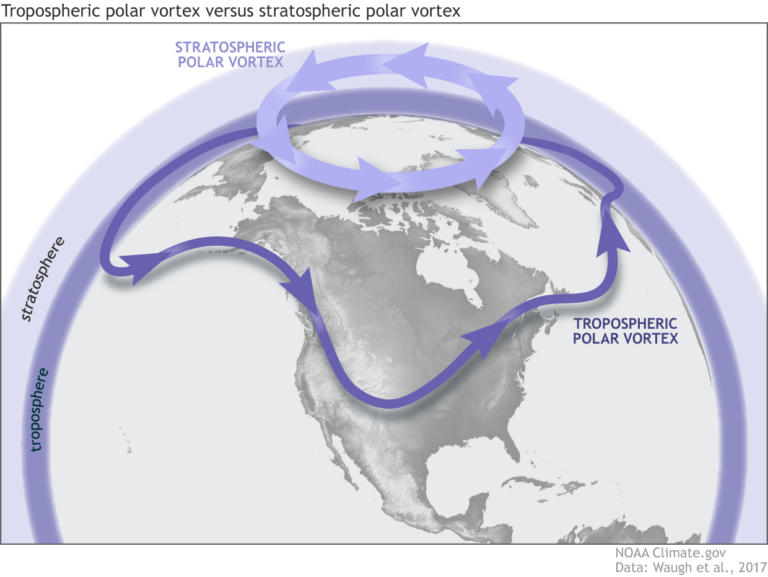
The polar vortex, a large area of low pressure and cold air surrounding the Earth’s poles, plays a critical role in influencing winter weather patterns in the Northern Hemisphere. As climate scientists and meteorologists delve deeper into seasonal forecasting, the concept of a polar vortex collapse has garnered increased attention, especially with recent forecasts indicating potential shifts in this phenomenon. Understanding the implications of these forecasts is essential for anticipating winter weather and its associated impacts.
What is the Polar Vortex?
The polar vortex is a persistent, large-scale cyclone that forms during the cold winter months in the polar regions. When the vortex is stable, it traps the cold air at the poles. However, certain conditions—such as warming at the stratospheric level—can lead to a weakening or collapse of the vortex, allowing frigid air to spill southward into mid-latitude regions, resulting in severe winter weather.
Recent Forecasts and Key Findings
Recent forecasts for the upcoming winter 2023-2024 indicate a significant likelihood of polar vortex activity alteration. According to the National Oceanic and Atmospheric Administration (NOAA), early indicators suggest that stratospheric warming events may be more prevalent this season. This forecast aligns with a pattern observed over the past decade, where fluctuations in the polar vortex have become increasingly frequent.
Moreover, climate models analyzing atmospheric conditions suggest that a polar vortex collapse could lead to more intense cold snaps across the United States and Europe, especially in areas that are typically milder during winter. For instance, regions such as the Midwest and Northeast of the USA could experience temperatures plunging significantly below average due to these shifts.
Potential Impacts
The implications of a polar vortex collapse extend beyond just lower temperatures; they can also affect precipitation patterns, leading to increased snowfall in some areas while creating dry conditions in others. Alongside bitterly cold winds, the impacts on agriculture, energy consumption, and transportation systems can be profound.
Conclusion
As the forecast for a polar vortex collapse emerges for the winter of 2023-2024, it becomes increasingly important for individuals and communities to stay informed and prepared. Understanding these weather patterns can help mitigate potential disruptions and highlight the larger conversation surrounding climate change and its role in altering traditional weather phenomena. Forecasters and climatologists will be keeping a close watch on these developments, and updates will be crucial for public awareness as winter approaches.