







Introduction
Savings play a vital role in an individual’s financial health and stability. In an era marked by economic uncertainty and rising living costs, the relevance of maintaining an adequate savings buffer cannot be overstated. Building savings not only provides a safety net in times of need but also facilitates long-term goals such as purchasing a home, funding education, or enjoying a comfortable retirement.
Current Trends in Savings
According to data released by the Bank of England, UK households have increased their savings rate significantly over the past year. As of the latest reports in 2023, the average savings rate stands at 9.3%, a rise that reflects growing concerns over inflation and potential economic downturns. The increase in savings can primarily be attributed to heightened awareness of financial planning and the need for emergency funds. Furthermore, government initiatives encouraging people to save, such as the Lifetime ISA for first-time homebuyers, have also contributed to this trend.
Challenges Faced by Savers
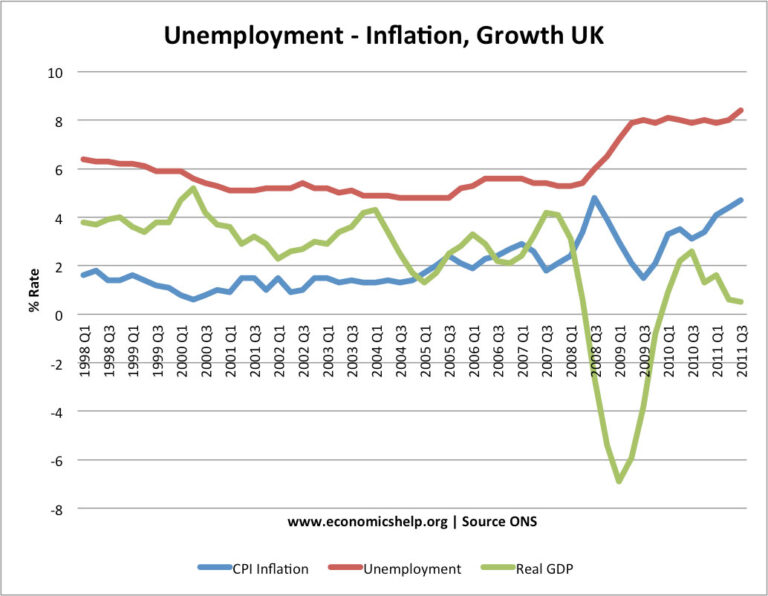
Despite the positive trends, many individuals face challenges in saving effectively. The rising cost of living, particularly in urban areas, has made it difficult for some to set aside funds. Utilities, housing, and food costs have escalated, impacting disposable income levels. A recent survey by the Office for National Statistics revealed that nearly 40% of UK residents struggle to save due to higher day-to-day expenses. Moreover, low-interest rates have made traditional savings accounts less appealing, prompting savers to seek better returns on their investments.
Strategies for Effective Saving
To enhance savings, financial advisors often recommend adopting specific strategies. Firstly, setting clear savings goals can offer direction and motivation. Whether it is a short-term aim like a holiday or a long-term objective such as retirement, having a target can encourage disciplined saving. Additionally, automating savings through standing orders or direct deposits can help ensure that a portion of income is consistently set aside. Exploring high-interest savings accounts or investment options can further optimise growth for those willing to take on more risk.
Conclusion
In summary, savings are an essential component of financial health in today’s economic landscape. While challenges exist, the benefits of having a robust savings plan can lead to greater peace of mind and financial freedom. Individuals are encouraged to assess their saving habits regularly and adapt according to their personal and economic circumstances. As financial literacy continues to improve and more tools become available, the hope is that a greater number of individuals will recognise the importance of savings and its pivotal role in achieving their financial goals.