










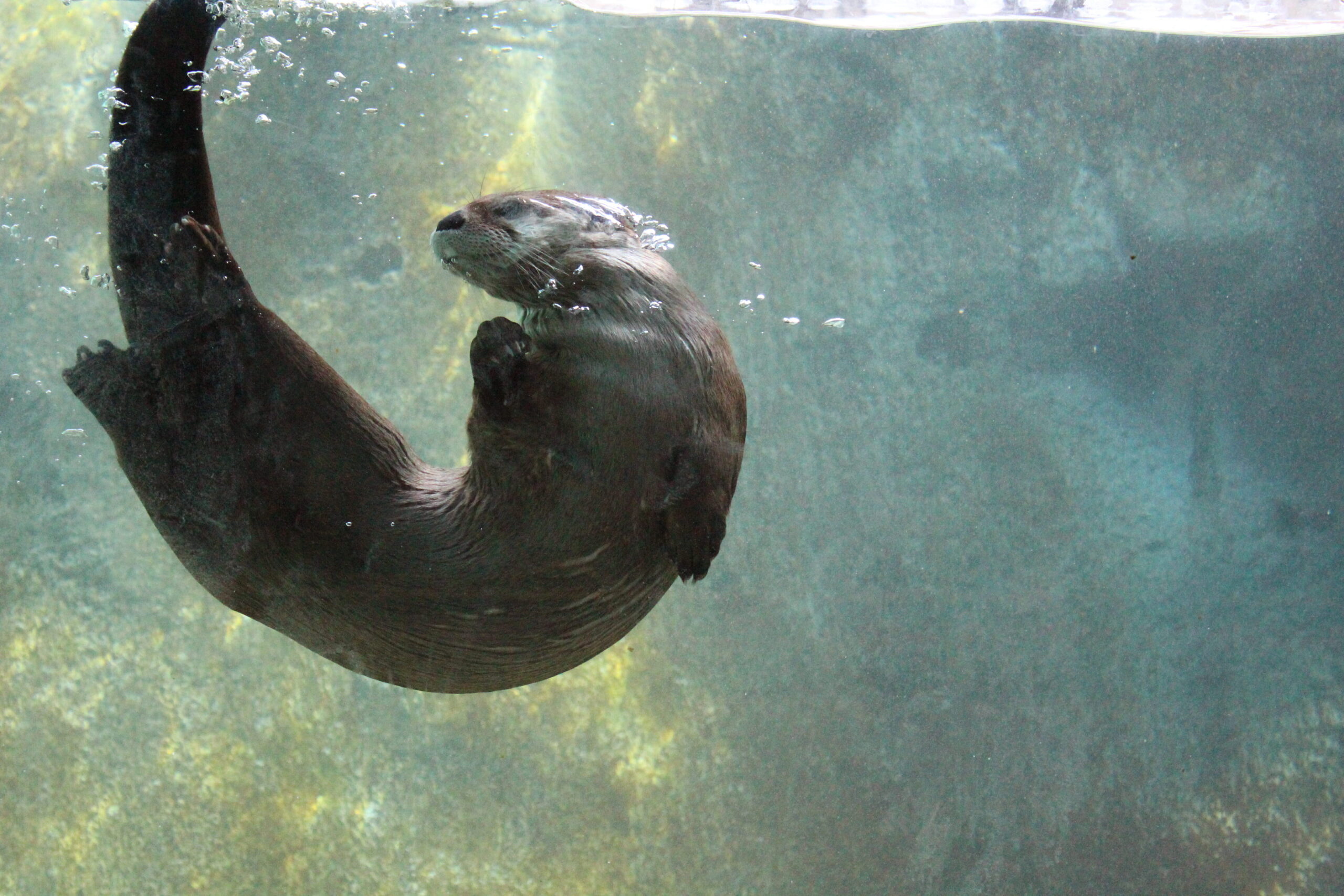
The Significance of River Otters
River otters, belonging to the weasel family, are aquatic mammals that are widely cherished for their playfulness and adaptability. Found throughout North America, these creatures play a vital role in maintaining healthy aquatic ecosystems. As indicators of water quality, the presence of river otters signifies a balanced habitat and a thriving environment that supports diverse wildlife.
Habitat and Distribution
River otters (Lutra canadensis) inhabit a variety of waterways, including rivers, lakes, and coastal areas. They are particularly prominent in regions with abundant fish and aquatic invertebrates, which form a substantial part of their diet. Their distribution spans from the northern reaches of Canada to the southern United States, showcasing their adaptability to various environmental conditions.
Behavior and Adaptations
Recognised for their playful behaviour, river otters are social animals that often interact with one another through games, wrestling, and sliding down mud or snowbanks. These interactive behaviours not only strengthen social bonds but also refine hunting skills. Their streamlined bodies and webbed feet enable them to swim with agility, diving underwater to catch fish, frogs, and crustaceans, using their sensitive whiskers to detect prey in murky water.
Conservation Efforts
Despite their resilience, river otters face threats from habitat destruction, pollution, and climate change. Conservation groups are working diligently to protect these enchanting creatures by promoting wetland restoration and sustainable fisheries. In recent years, efforts to educate the public about the importance of preserving aquatic environments have gained momentum, resulting in improved community engagement and support for local wildlife initiatives.
Conclusion: The Future of River Otters
River otters continue to thrive in many areas due to their adaptability; however, they remain vulnerable to environmental changes. Preserving their habitats is essential for their survival and the well-being of the ecosystems they inhabit. For readers interested in wildlife conservation, river otters serve as a compelling reminder of the interconnectedness of all species and the importance of safeguarding our natural resources. Ongoing monitoring and collaborative conservation initiatives will be key to ensuring a prosperous future for river otters and the waterways they call home.