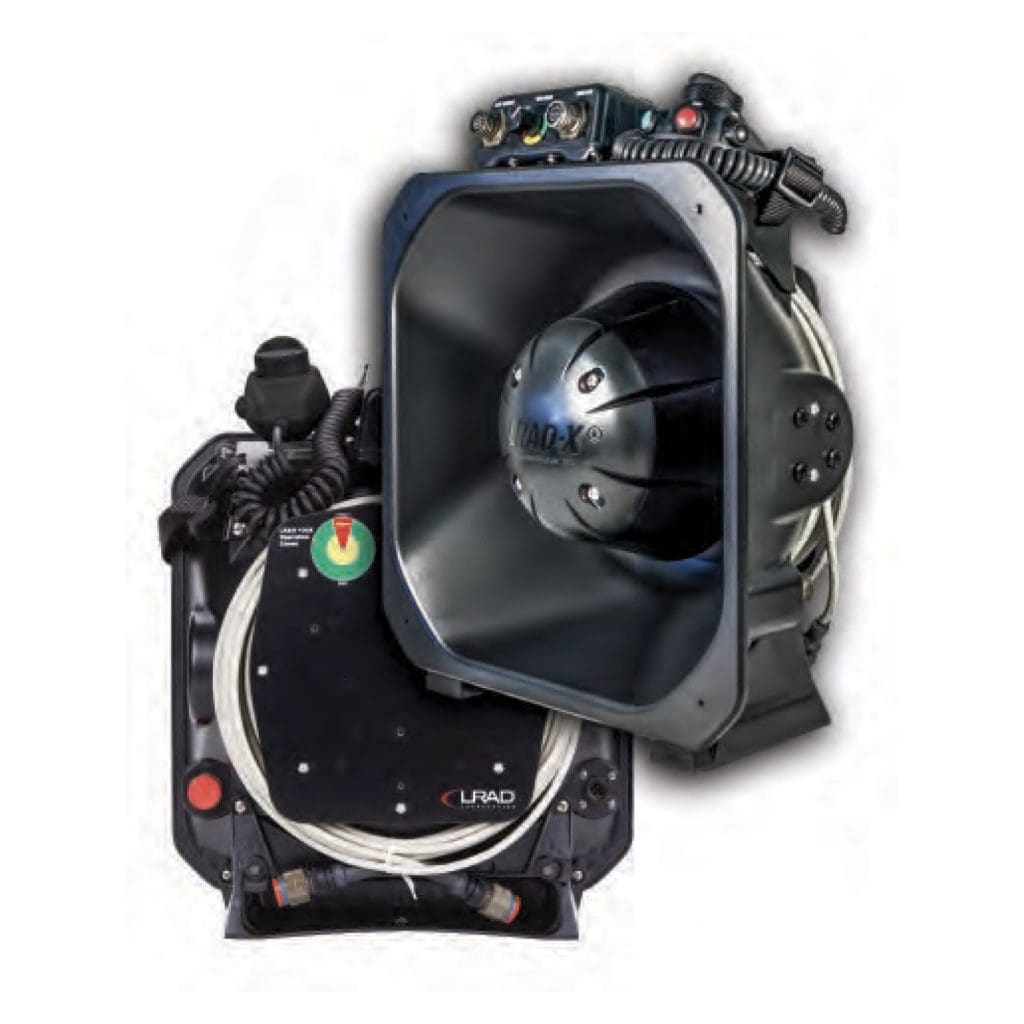
Introduction to LRAD
The Long Range Acoustic Device (LRAD) has emerged as a pivotal technology in various fields, including law enforcement, military, and public safety. Its ability to project sound over long distances provides a unique solution for communication and crowd control, making it increasingly relevant in today’s dynamic environment.
How LRAD Works
Introduced in the early 2000s, LRAD operates through an array of loudspeakers that can deliver clear audio messages across several miles. This system enables operators to communicate effectively in situations where voices cannot be heard over background noise or where a physical barrier exists. As a result, LRAD is being utilised not only for directing crowds but also for delivering important announcements during emergencies.
Recent Developments and Applications
Recent events have seen heightened use of LRAD technology, particularly during protests and gatherings. Law enforcement agencies, for instance, are increasingly adopting LRAD units to disperse crowds or communicate with large groups, thereby reducing the risks associated with traditional crowd control methods. Furthermore, LRAD has been deployed by the military in various operations to provide warning messages and ensure safety without resorting to more aggressive tactics.
Challenges and Controversies
While LRAD presents many advantages, it is not without controversy. Concerns have been raised regarding the potential for causing hearing damage and the ethical implications of using such technology on civilians. Studies suggest that prolonged exposure to LRAD at high volumes can lead to hearing impairment, prompting calls for stricter regulations regarding its deployment.
The Future of LRAD Technology
The future of LRAD technology appears promising as advancements continue to enhance its capabilities. Researchers are exploring ways to mitigate the risks associated with prolonged exposure and improve the sound quality for communication. As governments and private sectors invest in better public safety measures, the applications for LRAD are expected to expand further.
Conclusion
In conclusion, the Long Range Acoustic Device represents a significant evolution in communication methodology for both civil and military applications. Its unique ability to reach large audiences can play a crucial role in public safety and emergency management. However, addressing the challenges associated with its use is essential for ensuring the well-being of those it serves. As technology evolves, the role of LRAD will likely grow, adapted to meet the needs of a changing world.