










Introduction
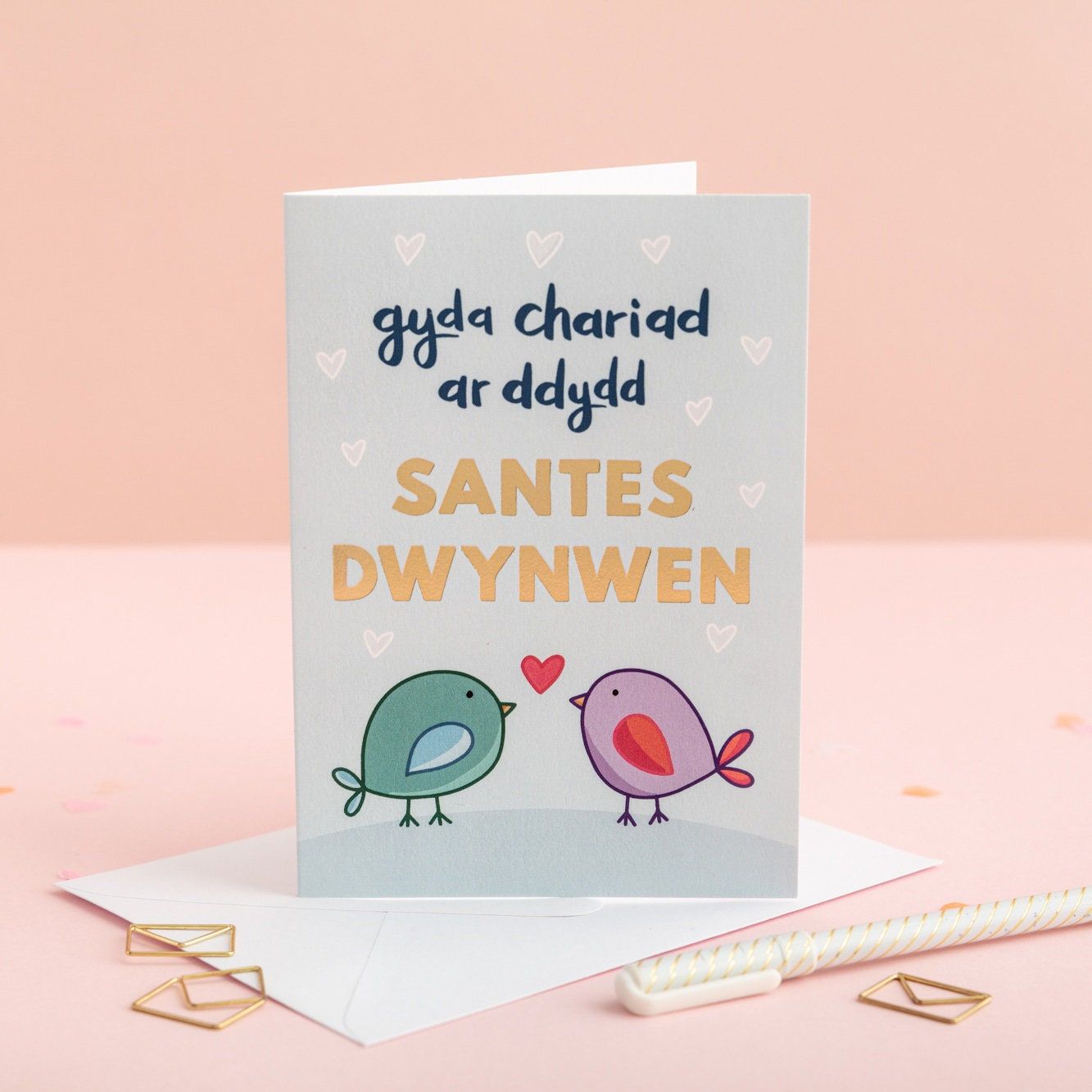
As the world celebrates love and affection on Valentine’s Day, it’s essential to recognise the unique traditions of the Welsh Valentine’s Day, known as ‘Dydd Santes Dwynwen’. Celebrated on January 25, this day holds significant cultural importance in Wales, honouring Saint Dwynwen, the patron saint of lovers. Understanding these traditions enriches our appreciation of the diverse ways love is celebrated across different cultures.
The Legend of Saint Dwynwen
The story of Dwynwen dates back to the 5th century and revolves around her unfulfilled love for a prince named Maelon. Heartbroken, she sought solace in her faith and prayed for guidance. Dwynwen was granted three wishes, one of which was to ensure that true lovers would never suffer heartbreak. As a result, her day is celebrated as a time of love, reconciliation, and reflection in Wales, drawing attentions towards both platonic and romantic relationships.
Traditional Celebrations
On Dydd Santes Dwynwen, various customs and activities take place across Wales. Many people exchange love spoons, intricately carved wooden spoons that represent affection, respect, and devotion. These spoons often feature symbols such as hearts, keys, and locks, which have specific meanings regarding love and companionship.
Additionally, couples may share romantic gestures such as meals together or gifting each other small tokens. Commemorative events, including poetry readings and local performances, show the deep-rooted cultural valuing of love in the Welsh society. Schools often involve students in creating love-themed crafts to stimulate enthusiasm and acknowledgment of the holiday.
Modern Observations
With evolving societal norms, the celebration of Welsh Valentine’s Day has also started to incorporate modern practices, drawing parallels with the globally recognized Valentine’s Day on February 14. Many people in Wales now participate in both celebrations, blending traditional Welsh customs with contemporary expressions of love.
However, what sets the Welsh Valentine’s Day apart is its emphasis on the cultural heritage and folklore that surrounds it. Efforts have been made by local councils and community groups to promote Dydd Santes Dwynwen, ensuring that the young generation appreciates their cultural roots as they celebrate affection in unique ways.
Conclusion
Welsh Valentine’s Day, or Dydd Santes Dwynwen, signifies more than just romantic love; it celebrates deep-rooted cultural traditions and the importance of love in various forms. As the observance grows, it highlights the beauty of preserving unique customs while fostering a sense of community and togetherness in less commercialised ways. In years to come, we can expect both the traditional and modern will coexist, offering a richer perspective on love in Welsh culture.