









Introduction
In recent years, the automotive industry has witnessed a significant shift towards electric vehicles (EVs), with manufacturers scrambling to meet the rising demand for sustainable transportation. Among the leading names in this revolution is BYD (Build Your Dreams), a Chinese automobile manufacturer that has rapidly ascended to prominence as a key player in the electric vehicle market. Founded in 1995, BYD has established itself not only in its home country but also on a global scale, signifying its importance in the fight against climate change and its relevance in today’s automotive landscape.
Recent Developments
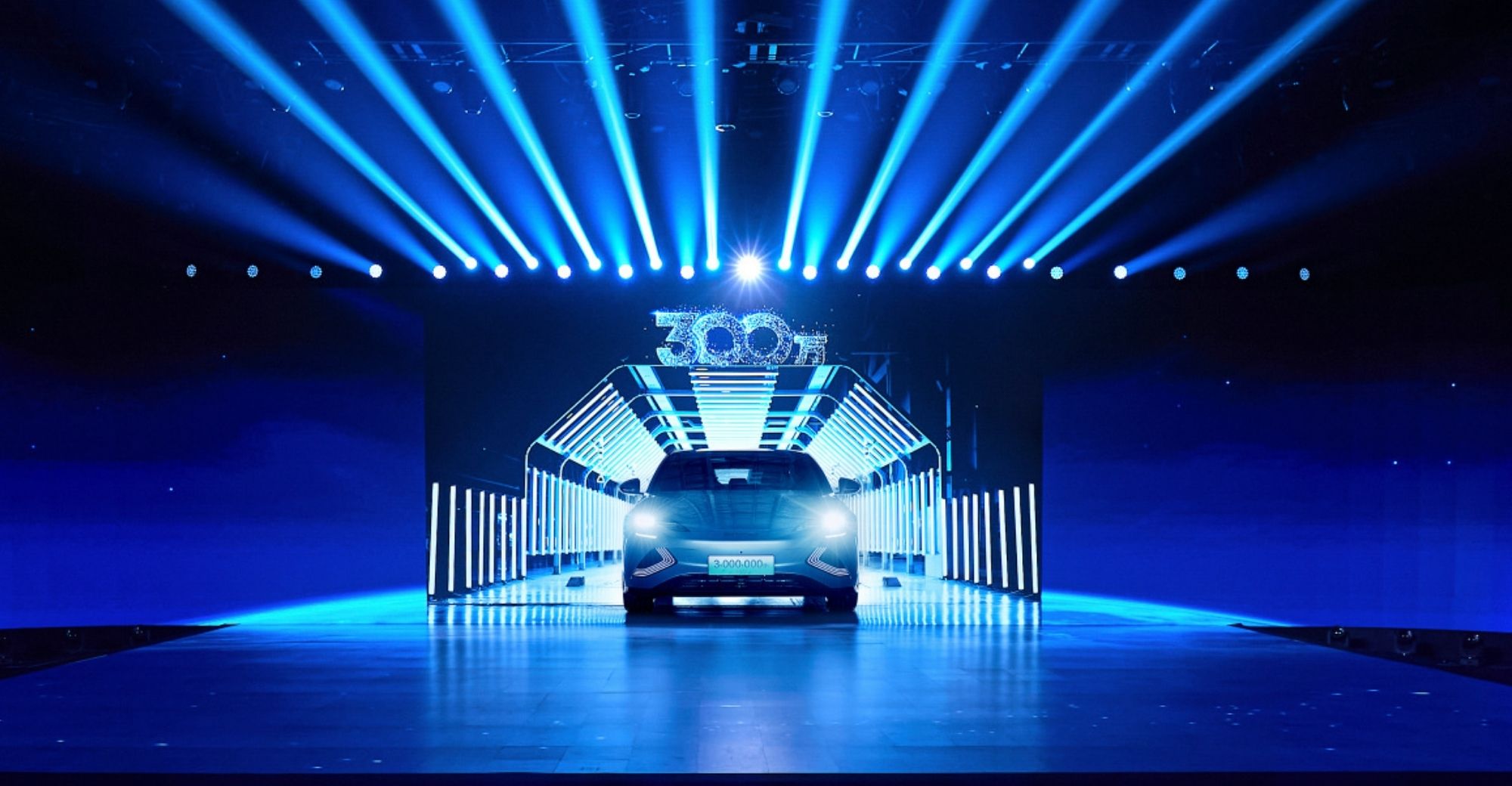
In 2023, BYD has made headlines with the launch of several new electric models, including the BYD Seal and the BYD Dolphin, focused on providing affordable yet high-performance options for a diverse consumer base. With a production output reaching over 1 million electric vehicles in the past year, BYD has emerged as the largest EV manufacturer in the world, surpassing traditional automakers like Tesla. The company is also investing heavily in battery technology, enhancing the efficiency and range of its vehicles, which is a crucial factor for consumers considering electric options.
Furthermore, BYD’s commitment to sustainability is reflected in its ambitious goal to fully electrify its product line by 2025. The company’s vehicles are equipped with cutting-edge battery management systems that maximise energy efficiency and safety, thus addressing common concerns surrounding electric vehicle technology.
Global Expansion
BYD’s global strategy has seen the automaker penetrate various international markets, including Europe and Latin America, where the demand for electric vehicles continues to grow. Recently, the company announced plans to expand its manufacturing footprint in Europe with new facilities aimed at localising production and reducing carbon emissions associated with shipping vehicles across continents. This move not only positions BYD as a formidable competitor but also demonstrates a commitment to local economies and job creation.
Conclusion
The significance of BYD cars extends beyond just providing an alternative to traditional fossil fuel-powered vehicles. As the company leads the charge in innovation, sustainability, and affordability, it shapes the future of mobility and has the potential to influence global automotive trends for years to come. With the continued expansion of electric vehicle infrastructure and changing consumer behaviour, BYD’s efforts may well pave the way for a more sustainable transportation network worldwide, making it a vital component in the quest for environmentally friendly alternatives in the automotive sector.