





Introduction
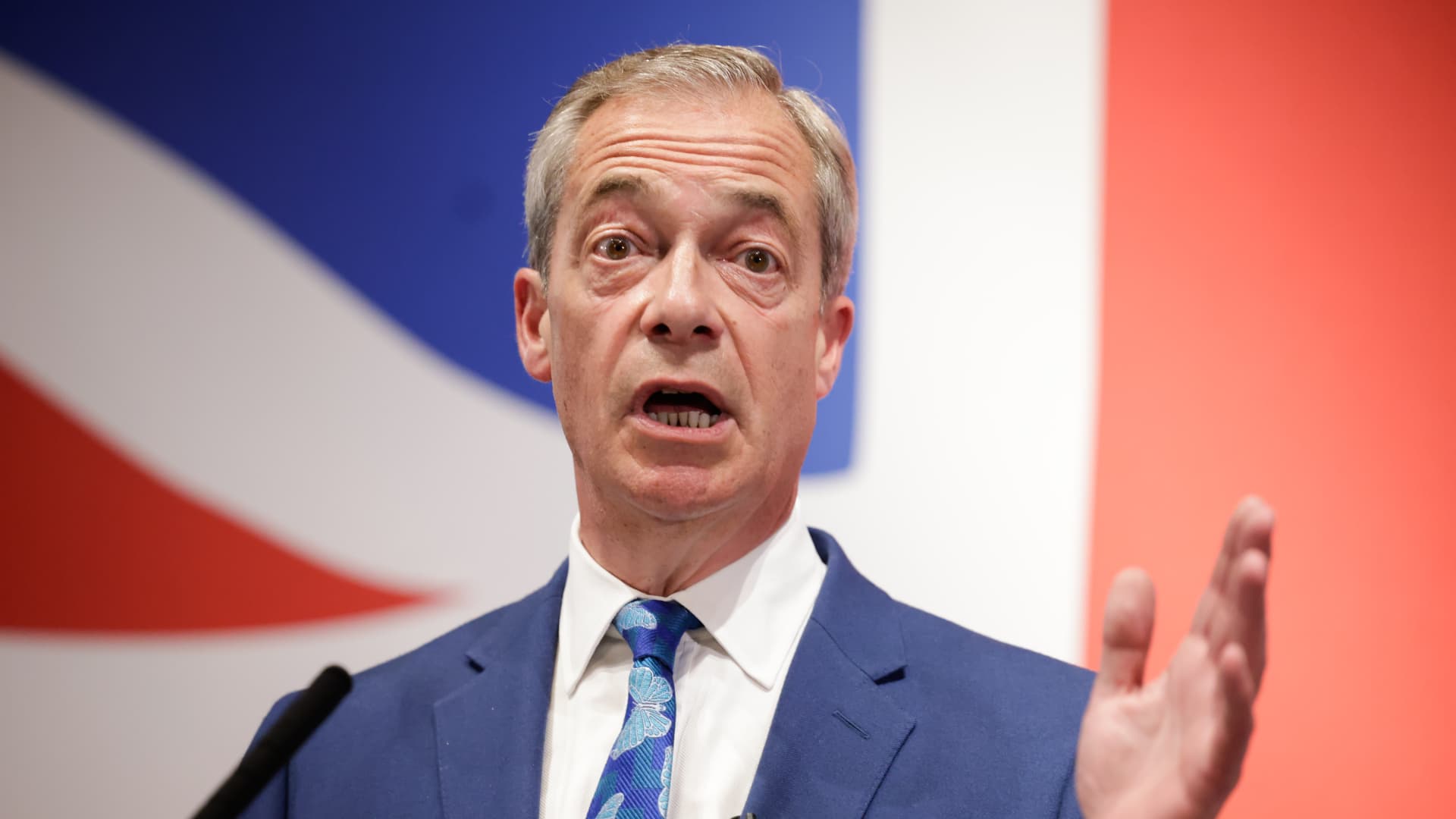
Nigel Farage, a prominent figure in British politics, has played a significant role in shaping the political landscape of the United Kingdom over the past two decades. His advocacy for Brexit and controversial stances have stirred debates and redefined party politics in the UK. As the country continues to navigate post-Brexit ramifications, examining Farage’s influence remains crucial for understanding contemporary political dynamics.
Farage’s Journey
Nigel Farage first entered politics in the 1990s with the UK Independence Party (UKIP), where he quickly made a name for himself as a vocal critic of the European Union. Under his leadership, UKIP gained momentum and popularity, particularly among voters disenchanted with the traditional parties. The 2014 European Parliament elections marked a major turning point for Farage; UKIP secured 24 MEP seats, becoming the first party other than Labour or the Conservatives to win a national election in the UK since 1906.
The Brexit Referendum
Farage’s most significant impact was during the Brexit referendum in 2016. He passionately campaigned for the Leave side, emphasising concerns over sovereignty, immigration, and economic control. His famous slogan, “Take Back Control,” resonated with many voters, reflecting broader sentiments about EU bureaucracy. The success of the Leave campaign, which ultimately resulted in the UK’s departure from the EU, solidified Farage’s reputation as a key player in the movement.
Recent Developments
Following Brexit, Farage has continued to influence UK politics through various platforms, including his role as a commentator and broadcaster. He launched a new political movement called Reform UK, aiming to address issues surrounding governance and the economy in the post-Brexit era. Moreover, with discussions on trade deals, immigration policy, and regulatory changes ongoing, Farage remains a vocal advocate for a more decisive break from EU regulations.
Conclusion
Nigel Farage’s journey through British politics illustrates the shifting alliances and emerging sentiments among voters. His contributions to the Brexit debate and his ongoing influence on political discussions make him a significant figure in understanding the UK’s future trajectory. As the nation moves further from its EU membership, Farage’s ideology and advocacy may continue to resonate, shaping upcoming elections and policies. The long-term implications of his actions and ideologies warrant close attention as the UK adjusts to its new realities in a broader global context.