Introduction
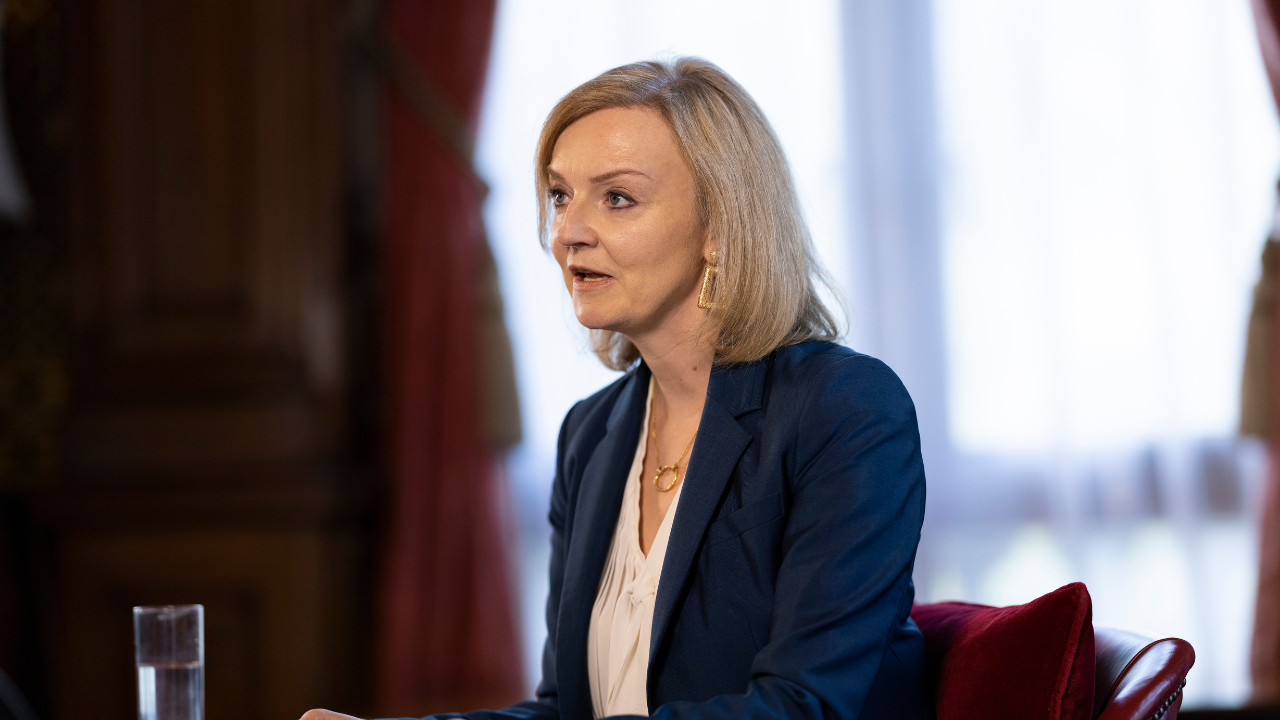
Liz Truss, the former Prime Minister of the United Kingdom, remains a significant figure in contemporary British politics. Her brief tenure in office has sparked discussions on her policies, leadership style, and the wider implications for the Conservative Party and the UK as a whole. Understanding her journey offers insights into the current political landscape and the ongoing debates surrounding governance in the UK.
Background and Rise to Prominence
Born on July 26, 1975, Liz Truss grew up in a politically active family and was educated at Merton College, Oxford. Her career in politics began after she was elected as the Member of Parliament for South West Norfolk in 2010. Since then, she held various ministerial roles, including Secretary of State for International Trade and Foreign Secretary, showcasing her diplomatic skills and commitment to economic growth through free trade.
The Premiership
Truss became Prime Minister in September 2022, succeeding Boris Johnson. Her premiership became notable for its ambitious economic agenda, which primarily focused on tax cuts and growth stimulus. However, the announcement of a mini-budget aimed at significant tax reductions triggered immediate backlash from financial markets and within her party, leading to a crisis of confidence.
Resignation and Aftermath
On October 20, 2022, just 49 days into her term, Truss announced her resignation, marking her as the UK’s shortest-serving prime minister. Her departure raised questions about the future direction of the Conservative Party and brought to the forefront issues such as leadership stability, economic strategies, and public trust in government.
Legacy and Future Prospects
While Truss’s time in office was short-lived, her policies and the circumstances surrounding her resignation have had lasting effects. Analysts have pointed out that her approach to tax and economic growth highlighted the divisions within the Conservative Party regarding fiscal responsibility and government intervention. Moving forward, Truss’s experience may serve as a cautionary tale for future leaders in navigating economic challenges and party dynamics.
Conclusion
Liz Truss’s political journey, though marked by controversy and rapid change, illustrates the complexities of leadership in today’s turbulent political climate. As the UK continues to face economic uncertainties and evolving political challenges, the significance of her brief tenure will likely influence future discussions on governance, policy-making, and the role of the Prime Minister. For citizens and political enthusiasts alike, Truss’s story remains a vital chapter in understanding the current and future state of British politics.