Introduction
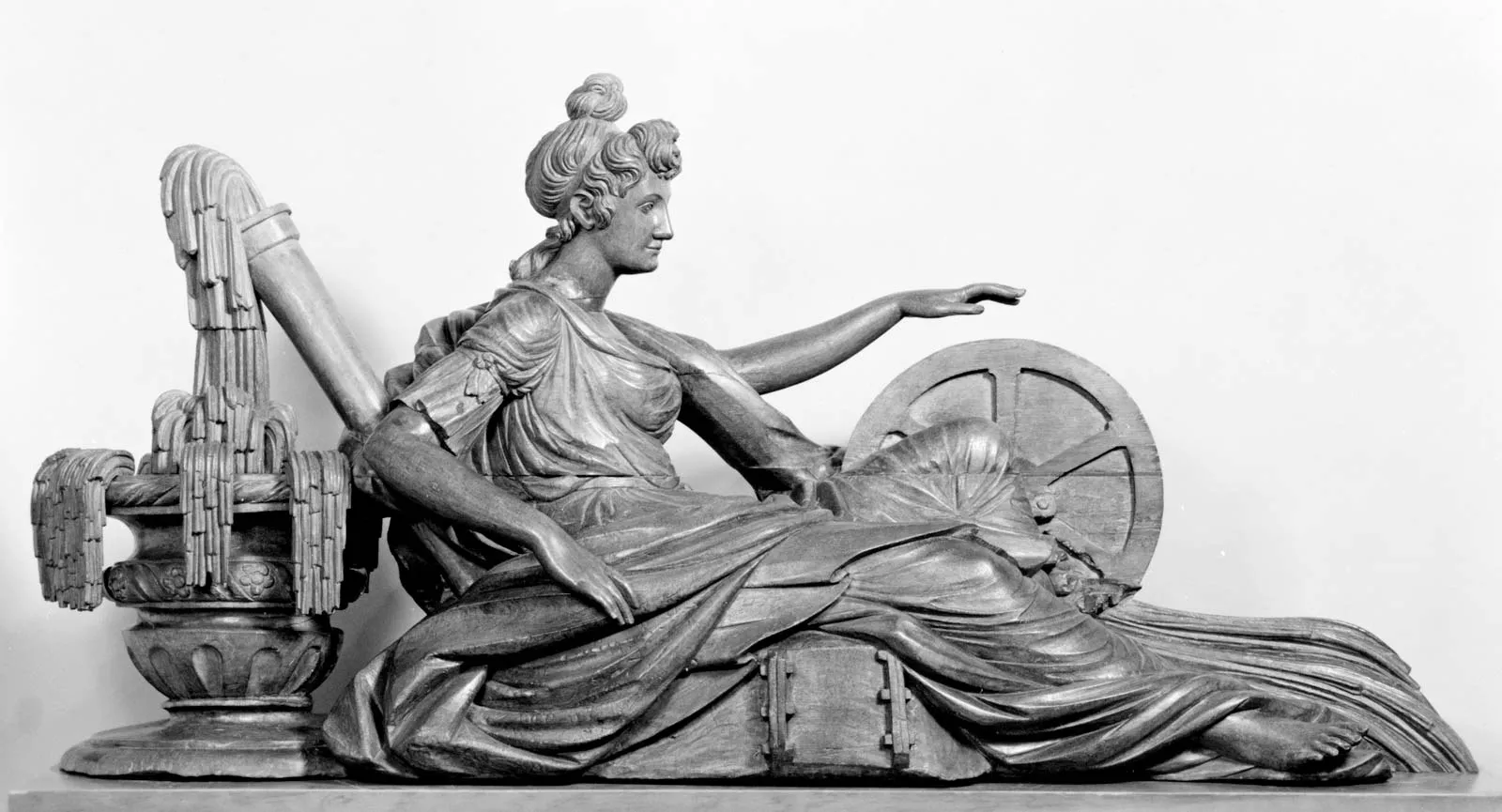
William Rush, often regarded as the father of American sculpture, holds a significant place in the realm of American art. His impact transcends mere creativity as he embodies the spirit of early American artisanship. Rush’s work is not only a reflection of 19th-century aesthetics but also an expression of the burgeoning American identity during a transformative period in history.
Early Life and Career
Born in 1756 in Philadelphia, Pennsylvania, William Rush rose from modest beginnings in a family of craftsmen. He first embarked on a path in woodworking, which laid the foundation for his later achievements as a sculptor. Rush’s initial foray into the field involved crafting decorative woodwork for ships, an industry flourishing in his hometown.
By the early 1800s, he began to gain recognition as a sculptor, particularly known for his work in wood. His noteworthy pieces include a variety of busts and statues that frequently drew inspiration from classical themes, yet with a distinctly American twist. He was particularly known for his sculptures of prominent figures, notably George Washington and Benjamin Franklin, which showcased his ability to blend artistry with national pride.
Notable Works and Contributions
One of William Rush’s most celebrated works is the statue of ‘The Water Nymph’, created for the Fairmount Water Works in Philadelphia. This piece highlights Rush’s skill in creating lifelike representations and has become a symbol of the artistry of early American sculpture.
In addition to his artistic contributions, Rush played a pivotal role in the establishment of the Pennsylvania Academy of the Fine Arts in 1805, the first institution of its kind in the United States. His involvement not only aided in promoting American art but also inspired future generations of artists, fostering a growing appreciation for sculpture as an integral part of American culture.
Legacy and Significance
William Rush passed away in 1833, but his influence is still felt today. His unique approach to sculpture continues to inspire contemporary artists, and his works remain pivotal pieces in American art collections. Museums and galleries often highlight his contributions during exhibitions on early American art, ensuring that his legacy endures in the public consciousness.
The value of William Rush lies not just in his individual works, but also in what he represented for American artists – a departure from European influences and the cultivation of a distinctly American style. As the nation continues to celebrate its rich history in the arts, Rush’s pioneering efforts remain a foundational pillar of American identity and creativity.