










Introduction
Jerusalem, one of the oldest cities in the world, holds profound historical and cultural importance. As a focal point for three major religions—Judaism, Christianity, and Islam—its significance extends beyond borders and beliefs. The ongoing developments in Jerusalem continue to capture global attention, making it a vital topic for understanding contemporary Middle Eastern geopolitics.
Historical Overview
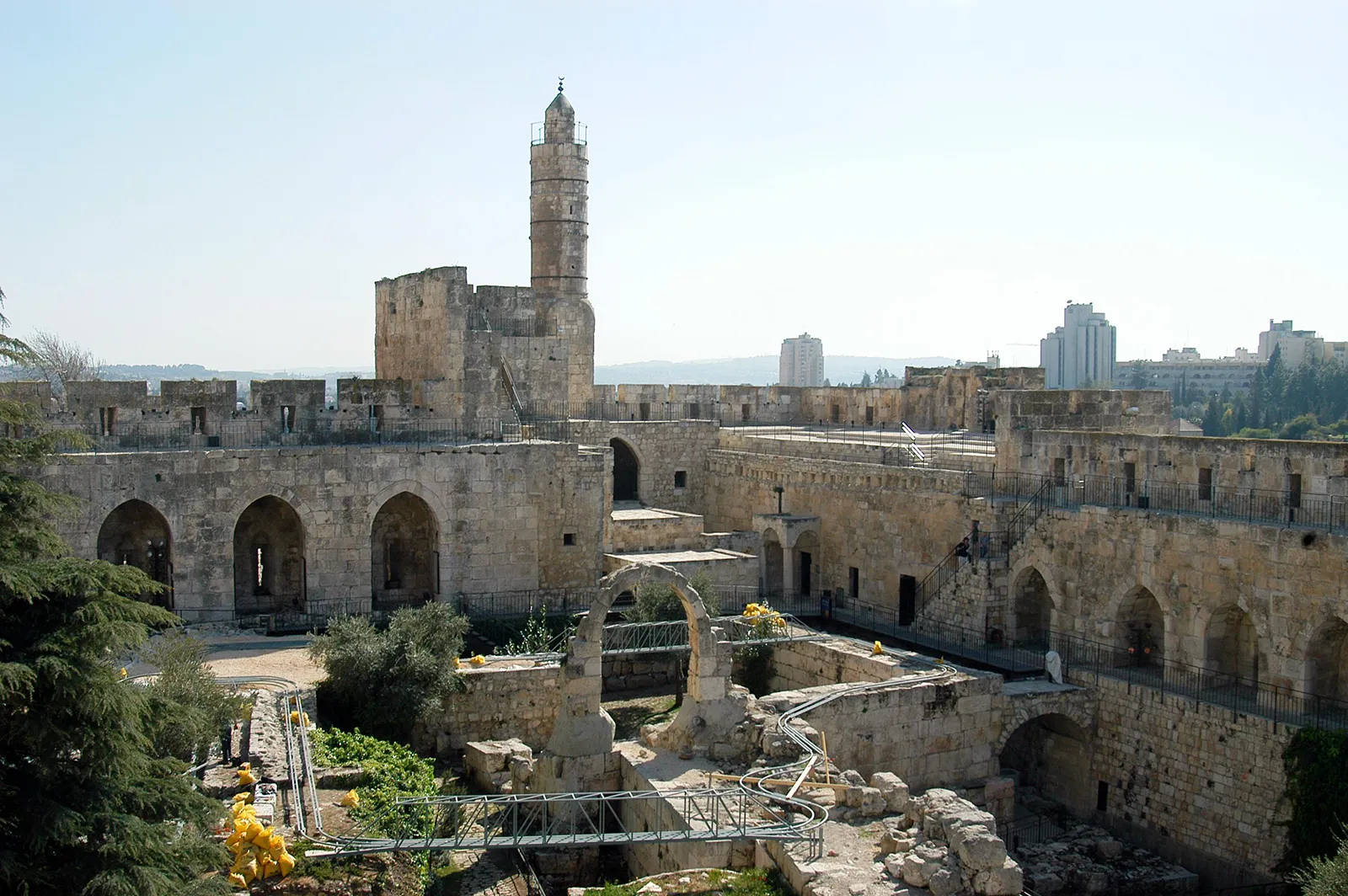
Jerusalem’s history dates back over 3,000 years, rich with moments that have shaped religious and cultural landscapes. From the construction of Solomon’s Temple to the site of crucifixion for Jesus Christ, its relevance is steeped in historical narratives. The city has been a battlefield for various empires and religious factions over centuries, resulting in a complex tapestry of cultural influences.
Current Events and Developments
Recent events highlight Jerusalem’s ongoing significance. In May 2023, tensions escalated during Ramadan, leading to clashes in and around the Al-Aqsa Mosque compound. The Israeli-Palestinian conflict remains at the forefront, with Jerusalem at its epicenter. The city’s status is a contentious issue, recognised by some countries as Israel’s capital, while others advocate for East Jerusalem as the capital of a future Palestinian state.
Furthermore, cultural and archaeological discoveries continue to emerge, such as the recent unveiling of ancient artifacts during renovations in the Old City. These significant findings not only attract tourists but also provide insight into the city’s layered history.
The Significance for Readers
The current situation in Jerusalem is crucial for understanding broader geopolitical dynamics. As discussions about peace, religious tolerance, and human rights continue to evolve, Jerusalem remains a symbol of both conflict and hope. Readers should consider these developments not just in terms of politics, but also their implications for cultural heritage and interfaith dialogue.
Conclusion
In summary, Jerusalem serves as a testament to humanity’s shared history and ongoing struggles. Its relevance is not solely based on its past, but also on its potential to be a bridge for coexistence in an increasingly divided world. As events unfold, it will be essential to observe how Jerusalem navigates its historic complexities to foster peace and understanding.