








Introduction
The modern office has undergone significant transformations over the past few years, particularly accelerated by the global pandemic. As companies across the UK begin to reassess their workspace strategies, the design and function of offices have become critical in shaping employee experiences and productivity. Understanding these shifts is vital for businesses looking to adapt and thrive in this new environment.
Current Trends in Office Design
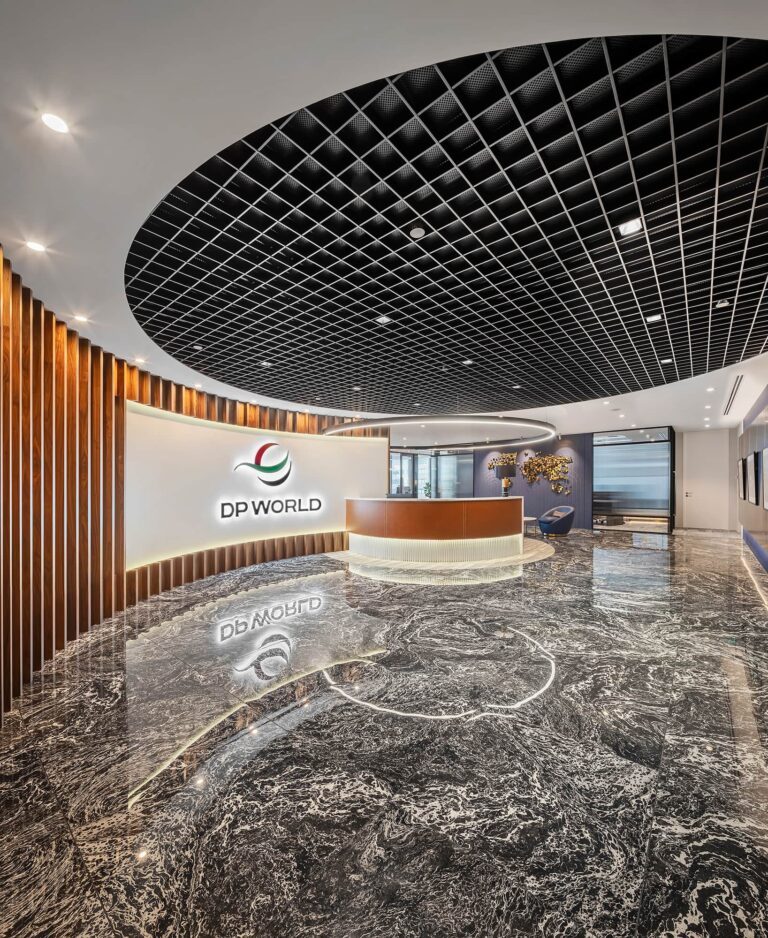
Remote working became commonplace during the pandemic, leading many organisations to reconsider the necessity of traditional office spaces. As of October 2023, surveys indicate that over 60% of UK companies are adopting hybrid work models that blend remote and in-office work. This trend is shifting office designs towards collaborative spaces rather than traditional cubicles. Offices are now being reimagined as hubs for teamwork, creativity, and social interaction.
Key features of contemporary office spaces include:
- Flexible Workstations: Adjustable desks and unassigned seating arrangements are becoming standard to accommodate varying work styles and preferences.
- Health and Wellbeing: Increased focus on natural light, green plants, and ventilation to improve air quality has become crucial, promoting employee health.
- Technology Integration: Enhanced digital collaboration tools and smart office technologies streamline communication and efficiency, catering to a tech-savvy workforce.
Implications for Employee Productivity
Studies have shown that the right office environment can significantly enhance productivity and job satisfaction. A recent report by the Chartered Institute of Personnel Development (CIPD) found that flexible work arrangements contribute positively to employee morale and retention rates. Companies that adapt their office spaces to incorporate these elements report considerable improvements in overall performance and employee engagement.
Looking Ahead
With the evolving professional landscape, forecasting the office’s future is paramount. Experts predict that the concept of the workspace will continue to evolve, focusing on creating an environment that supports both individual and collaborative workstyles. As organisations refine their strategies, it is clear that the office will remain a vital part of business culture, albeit with a more flexible and employee-focused design.
Conclusion
The office is far from obsolete; it is simply transforming. As we embrace hybrid working models and innovative designs, companies must stay ahead by creating environments that foster collaboration, creativity, and wellbeing. For employees, these changes promise a more engaging and fulfilling work environment, shaping the future of work in the UK and beyond.