









Introduction
The automotive industry is undergoing a transformative shift, with advancements in technology reshaping the future of cars. As consumers become more environmentally conscious, the demand for electric vehicles (EVs), autonomous driving, and smart technology continues to rise. This evolution is not only relevant to manufacturers but also to consumers who seek enhanced safety, convenience, and sustainability.
Current Trends in the Automotive Industry
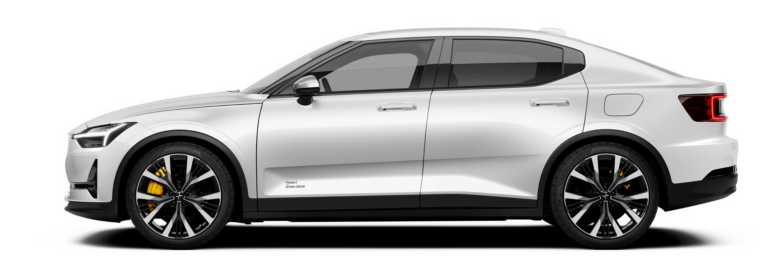
Recent studies reveal that EVs are expected to dominate the market by 2030, with several countries planning to ban the sale of new petrol and diesel vehicles. Last year alone, global EV sales surpassed 10 million units, reflecting a significant 19% increase compared to the previous year. Leading manufacturers such as Tesla, Nissan, and Volkswagen are leading the charge, investing heavily in research and development to improve battery technologies and expand charging infrastructures.
Moreover, the integration of smart technology is becoming increasingly prevalent in cars. Advanced driver-assistance systems (ADAS) are being implemented to improve safety features, such as lane-keeping assistance and automatic braking. Additionally, the rise of connected vehicles, which communicate with each other and with traffic infrastructure, is paving the way for enhanced traffic management and safety.
Autonomous Driving: Where Are We Now?
One of the most anticipated developments in the automotive world is autonomous driving. Companies such as Waymo and Cruise are conducting extensive testing on self-driving cars, offering glimpses into a future where human drivers may be a thing of the past. Although fully autonomous vehicles are still years away from widespread adoption due to regulatory and safety concerns, semi-autonomous features are becoming standard in many new models.
Conclusion
The future of cars is intertwined with technological advancements that promise to redefine mobility. As the industry moves towards electric and autonomous vehicles, consumers can expect improvements in efficiency, safety, and convenience. The shift presents both challenges and opportunities for manufacturers and consumers alike. For readers, understanding these trends can help in making informed choices regarding vehicle purchasing and adopting new technologies. Ultimately, the road ahead is one paved with innovation, with a clear aim of creating a more sustainable and connected future in mobility.